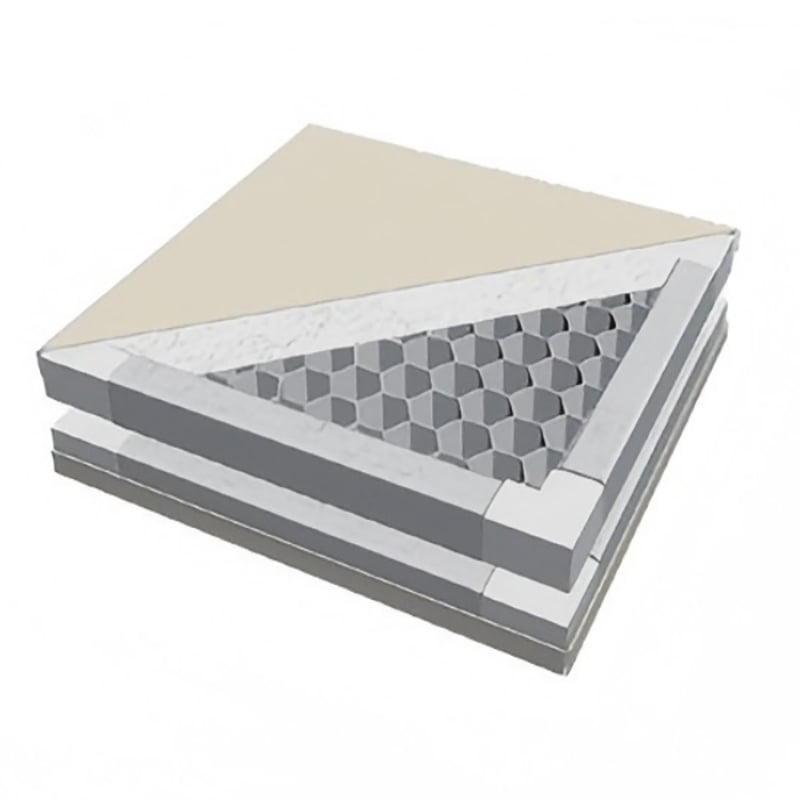
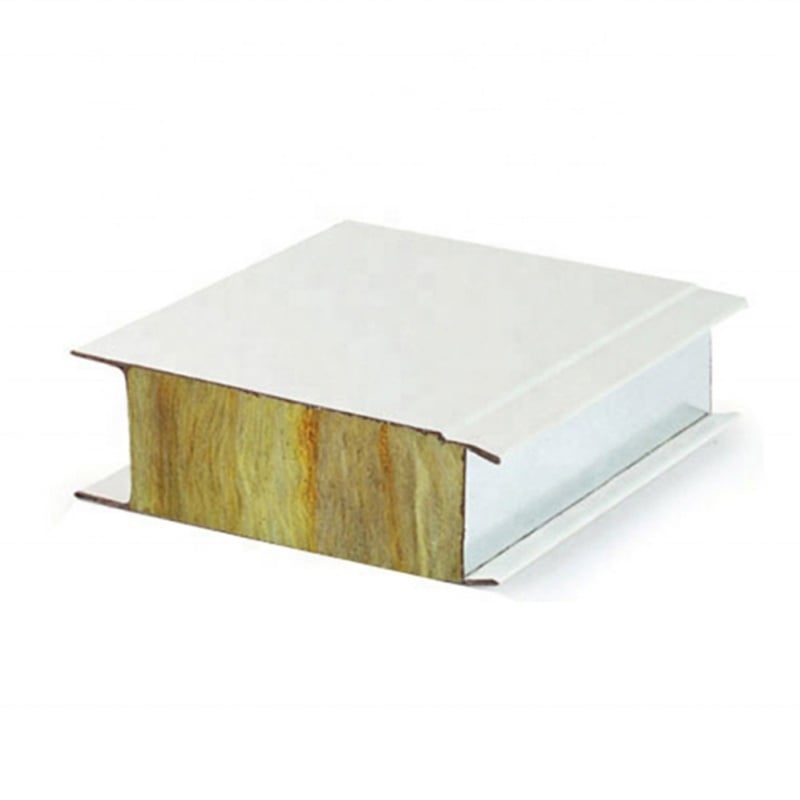
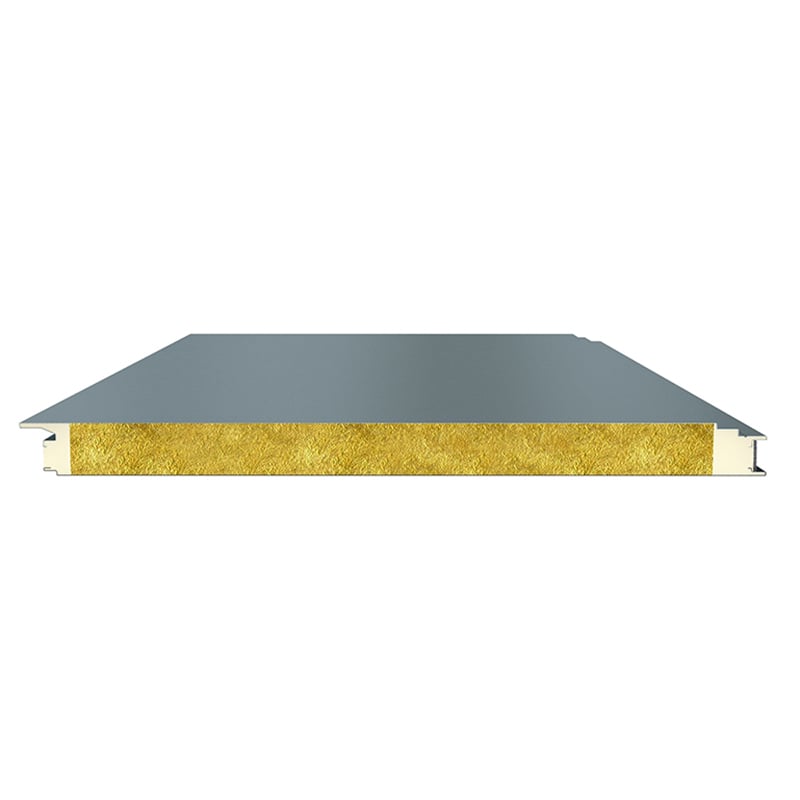
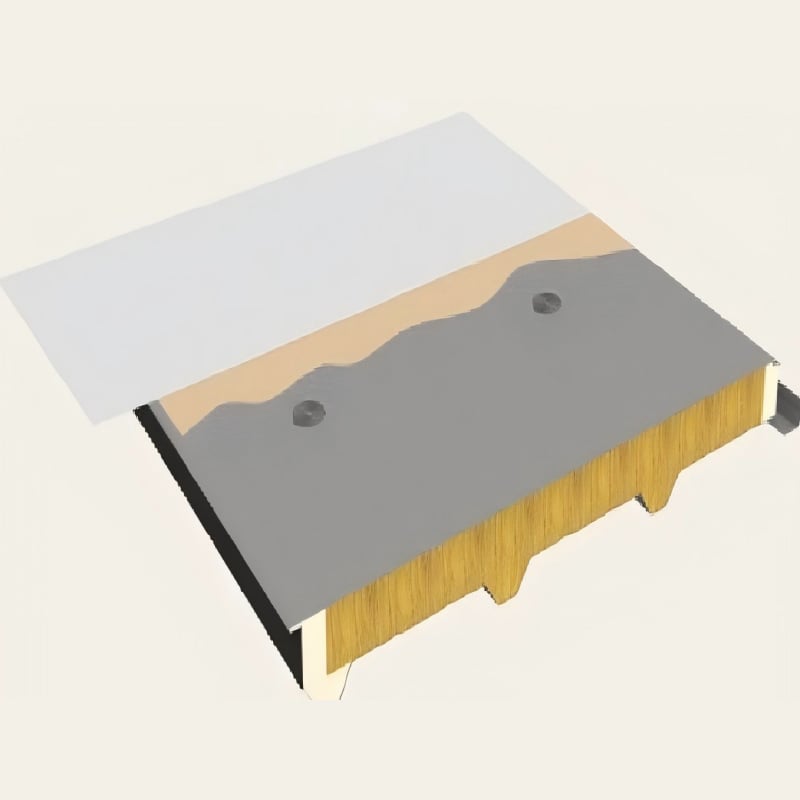
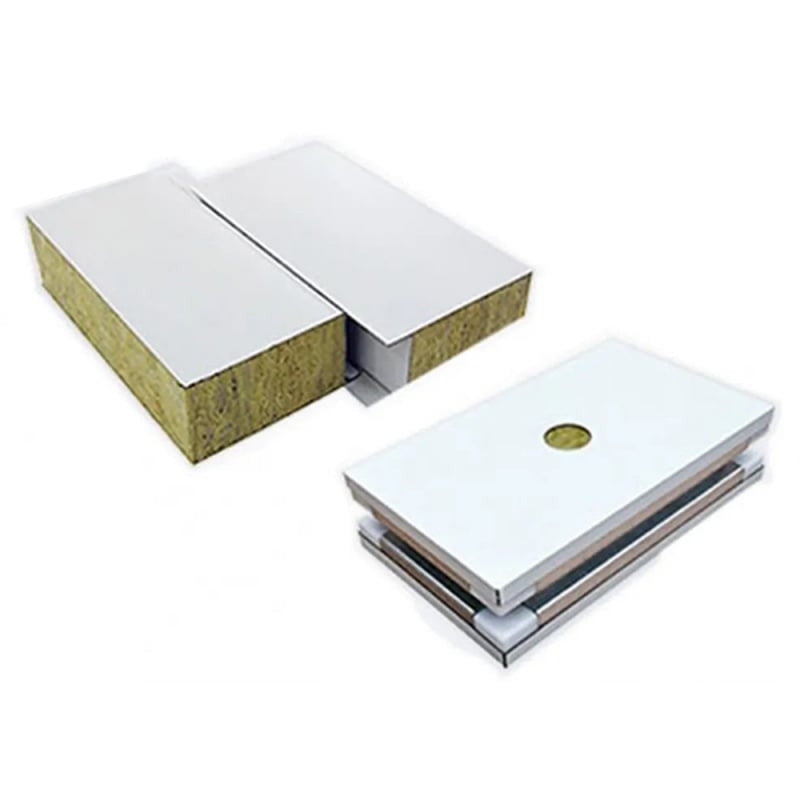
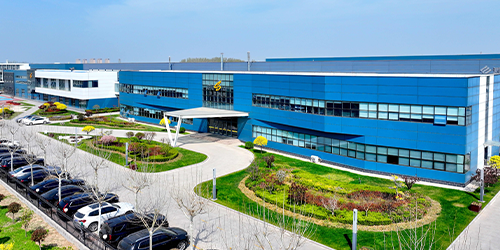
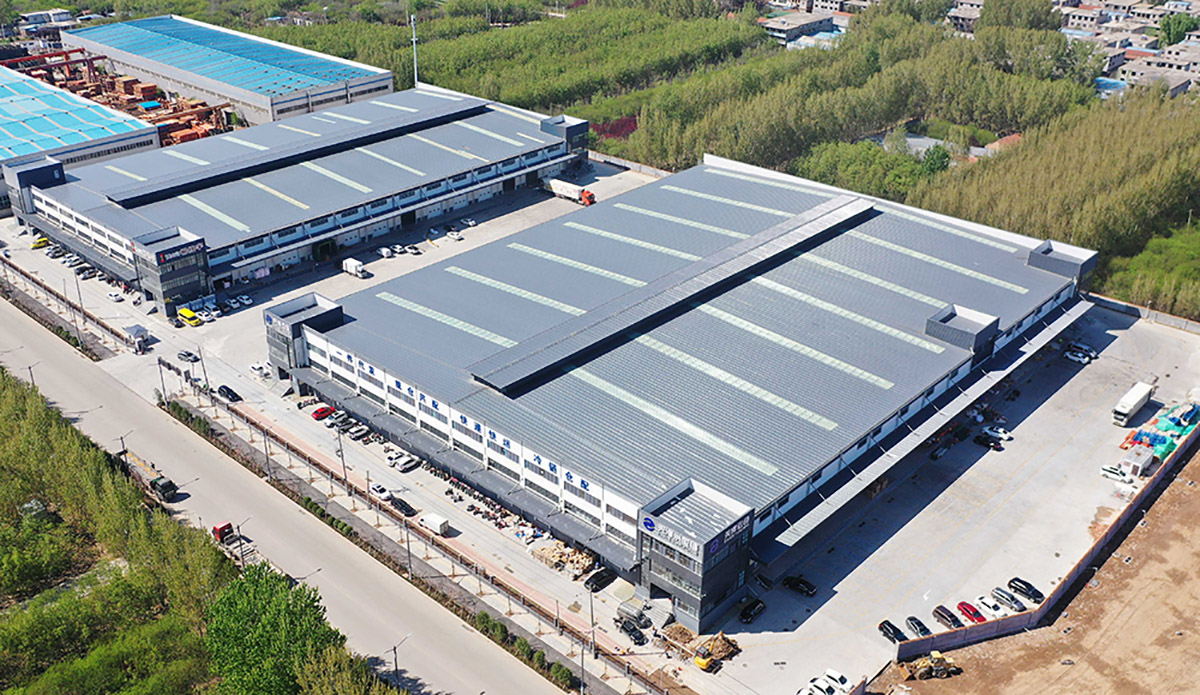
A metal roofing system refers to a roof form that uses metal sheets as roofing material, integrating structural support, waterproofing, and thermal insulation layers. According to the definition in the "Technical Specification for Skylights and Metal Roofs (JGJ255-2012)": a metal roof is composed of metal panels and a support system, which does not bear the load of the main structure and has an angle of less than 75° with the horizontal direction. The main materials used for the panels include: steel plates, aluminum plates, aluminum alloy plates, as well as copper plates and stainless steel plates.
A. Strong functionality.
Under the premise of meeting architectural functional requirements, it can better achieve all requirements such as drainage, thermal insulation, ventilation, and sound insulation.
B. Lightweight and simple structure.
Compared with concrete roofing systems, metal roofing systems have thinner structural layers, lighter support structures, larger spans, and can adapt to complex architectural shapes.
C. Flexible construction and short installation cycle.
During construction, metal roofing systems can basically achieve a fully prefabricated installation method, and most of the work can be completed in the factory or on-site processing workshop. On-site construction is less affected by seasons and weather. Compared with traditional roofs, the installation efficiency is extremely high, which can significantly shorten the installation cycle.
D. Good economic efficiency.
Compared with traditional roofs, it has obvious economic advantages in large spans and complex roof forms.
Currently, in engineering practice, various metal roofs are usually distinguished and classified according to the fixing method of the metal roof panels. Several common basic methods used in engineering are as follows:
This type of roofing system has been used for a long time and is relatively common. In this system, the roof panels are fixed to the supporting purlins with screws. The connecting screws directly penetrate the roof panels. To prevent leakage at penetration points, connecting screws are generally equipped with special compression gaskets and waterproof washers. Another method involves using sealed blind rivets with rubber gaskets to secure the panels.
Advantages
Limitations
Applications
Industrial plants, warehouses, temporary structures, etc.
👉 To view system configurations and structural solutions, please refer to: Roofing System Solutions page
👉 To see actual application results, please visit: Project Case Studies page
2. Concealed Fastener Metal Roofing System
This type of roofing system first appeared in Australia, hence it is also called the Australian concealed fastener panel. Specific panel types are matched with corresponding mounting brackets. During installation, the mounting brackets are first fixed to the supporting purlins or substrate, and the roof panels are fixed to each other and to the brackets using concealed snap-fit connections.
Advantages
Limitations
Applications
Commercial buildings, office buildings, and small-to-medium-sized industrial projects
3. Standing Seam Metal Roofing System(Low-rise seam)
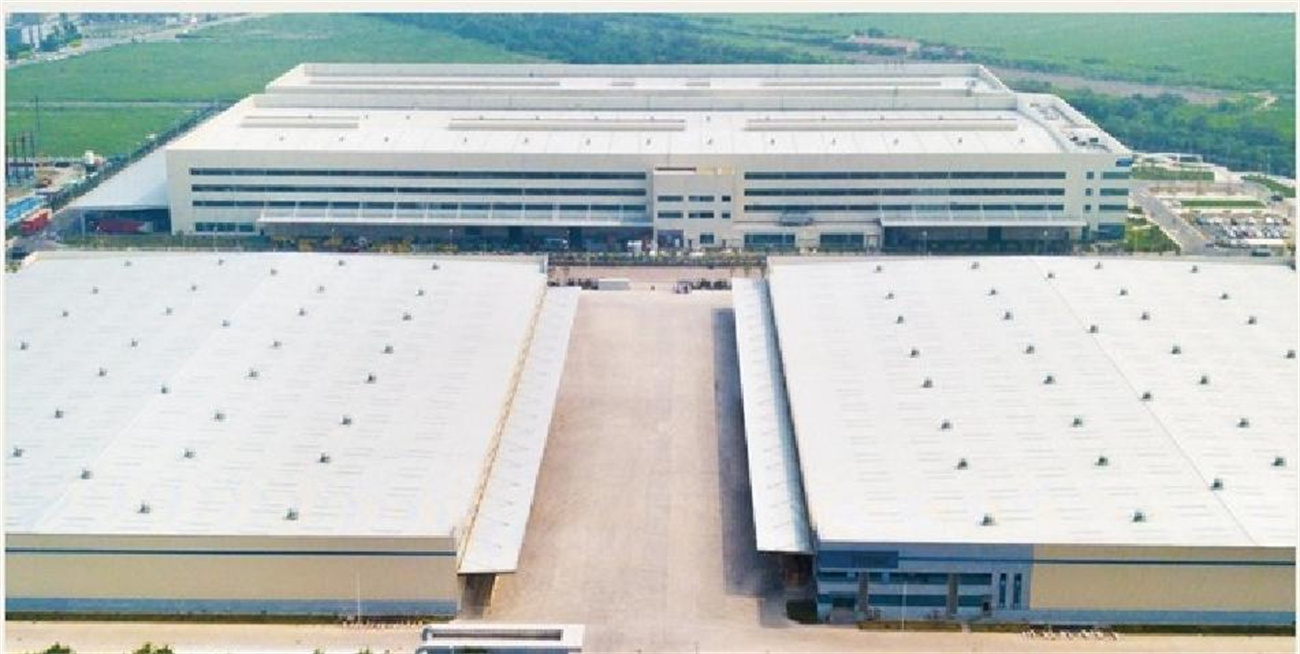
This type of roofing system is usually also called a low-profile standing seam metal roofing system. To differentiate it, this document refers to it as a standing seam metal roofing system. It is divided into single-lock and double-lock types according to the degree of interlocking. The roof panels are mechanically formed. During installation, the special fasteners are first fixed to the supporting purlins, and the adjacent roof panels and connecting fasteners interlock with each other, and then locked, shaped, and fixed mechanically or manually.
Advantages
Limitations
Applications
Industrial plants, logistics centers, and certain public buildings
4. Standing Seam Metal Roofing System (Standing seam/Upright seam)
This type of roofing system is usually called a high-profile standing seam metal roofing system, also known as a standing seam Lok panel. The metal panels are mechanically roll-formed to create male and female interlocking edges. During installation, the special aluminum alloy T-shaped clips are first connected to the supporting purlins. Then the roof panels and T-shaped clips are interlocked, and finally locked and shaped mechanically or manually.
Advantages
Limitations
Applications
Airports, convention centers, sports arenas, high-end industrial facilities
5. Flat Lock Panel Metal Roofing System
This type of metal panel is generally formed by mechanical stamping or manual cutting. During installation, the special locking clips are first fixed to the substrate, and then the edges of the panels are folded and interlocked with the locking clips for fixing.
Advantages
Limitations
Applications
Building facades, irregularly shaped roofs, high-end architectural projects
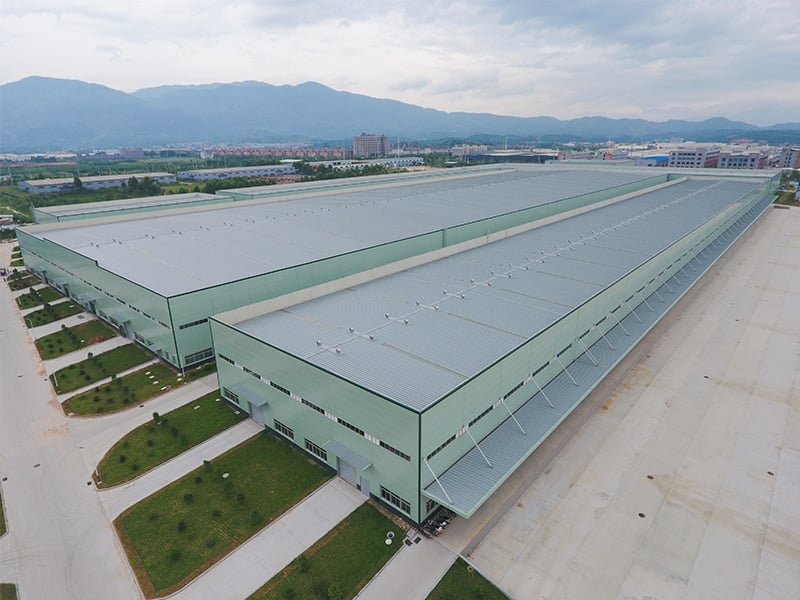
| Comparison criteria | Through-fastened Metal Roofing System | Concealed Fastener Metal Roofing System | Standing Seam Metal Roofing System(Low-rise seam) | Standing Seam Metal Roofing System (Standing seam/Upright seam) | Flat Lock Panel Metal Roofing System |
| Installation Method | Screw-through fastening | Hidden brackets + clips | Fasteners + Hemming | T-bar fastener + interlocking seam | Snap fastener + folded edge interlocking |
| Water Resistance | ★★☆☆☆ | ★★★☆☆ | ★★★★☆ | ★★★★★ | ★★★★☆ |
| Aesthetic Appeal | ★★☆☆☆ | ★★★★☆ | ★★★☆☆ | ★★★★★ | ★★★★★ |
| Resistance to Thermal Expansion and Contraction | ★★☆☆☆ | ★★★☆☆ | ★★★★☆ | ★★★★★ | ★★★☆☆ |
| Installation Difficulty | ★☆☆☆☆ | ★★★☆☆ | ★★★★☆ | ★★★★★ | ★★★★★ |
| Installation Efficiency | ★★★★★ | ★★★★☆ | ★★★☆☆ | ★★★☆☆ | ★★☆☆☆ |
| Maintenance Costs | Medium | Low to medium | Medium | Low | Upper-mid |
| Service Life | Medium | Medium | Upper-medium | High | Mid-high |
| Cost | Low | Medium | Medium | High | High |
| Suitable Buildings | Factory/Warehouse | Commercial/Office | Industrial/Logistics | Public/Large-scale projects | High-end/Unique architectural designs |
a. The main metal roofing system surface materials all use thin metal sheets. Due to the influence of mechanical processing and the limitations of the material's physical properties, the thickness is mostly below 1.0mm. Therefore, when selecting surface materials, the corrosion resistance of the material itself becomes the primary consideration.
b. In addition to thermal insulation performance, the fire resistance of roofing insulation materials must also be considered. Therefore, the main roofing insulation materials currently used are rock wool and glass wool, while some new insulation materials are also gradually being applied, such as foamed glass.
c. The types and quantities of main accessories do not differ significantly. Relatively speaking, low-profile standing seam metal roofs require fewer accessories.
Based on the above analysis, when selecting a suitable metal roofing system for a building, it is necessary to consider not only the design life, local climate conditions, and system performance, but also the building's shape and aesthetic requirements. In reality, the appearance of the metal roofing system often plays a dominant role in construction projects. Therefore, when construction companies propose or design roofing solutions, they first need to understand the architect's or owner's specific requirements for the building's appearance, and then consider the building's specific performance requirements.
Generally, buildings with low aesthetic requirements can choose through-fastened or concealed-fastened metal roofs. However, through-fastened roofs are best used in temporary buildings or buildings with low waterproofing requirements, so that subsequent maintenance and replacement will not affect normal use. For public buildings with high aesthetic requirements, large area or span, and long service life, standing seam or interlocking seam metal roofing systems are preferred. If the building roof needs to present different materials, such as stone, various types of metal panels, or glazed glass, requiring a double-layer roof system, the standing seam metal roofing system is the first choice.
When the metal roof panel is used directly as the surface layer, or for buildings with smaller size, complex shapes, and high aesthetic requirements, the standing seam interlocking metal roofing system is preferred. The application of flat lock seam roofing systems is usually directly requested by the architect or owner, but it should be noted that it must be attached to an inner waterproof system, and the application area should not be too large, and the size of the panels themselves is relatively small.
 Hot News
2026-09-09
2026-08-14
2026-08-11
2026-08-06
2026-07-30
2026-07-20

We believe that by upholding quality and embracing innovation, we can drive transformative changes in architecture and build a sustainable future for the construction industry.
No. 377, Gaoqi Road, High-tech Zone, Binzhou City, Shandong Province, China
Copyright © Shandong Apex Metal Products Co., Ltd. All Rights Reserved (Under the Glostar New Materials Group) Privacy Policy Blog
 EN
EN