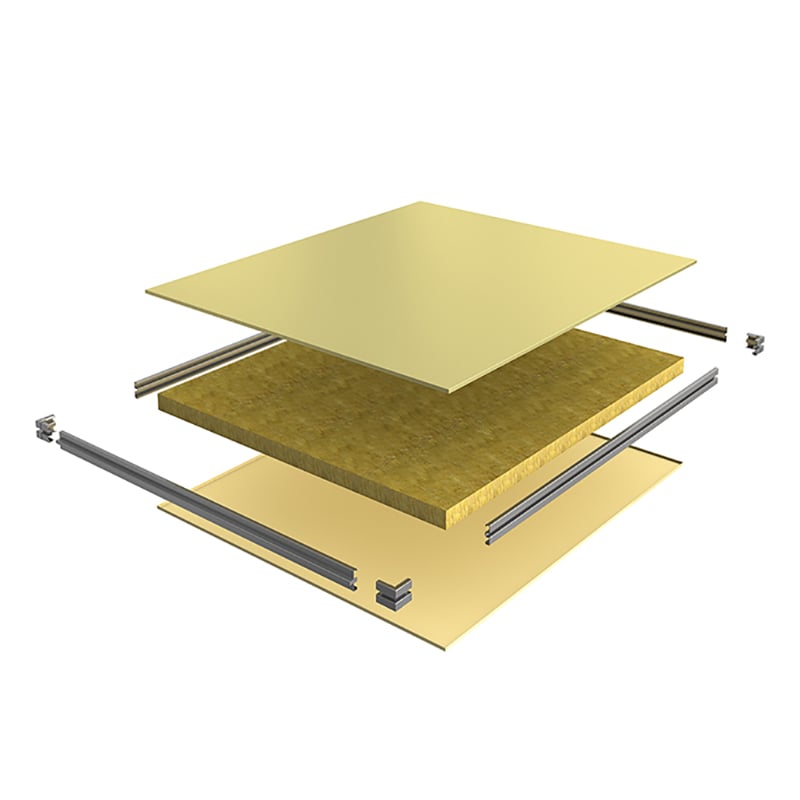
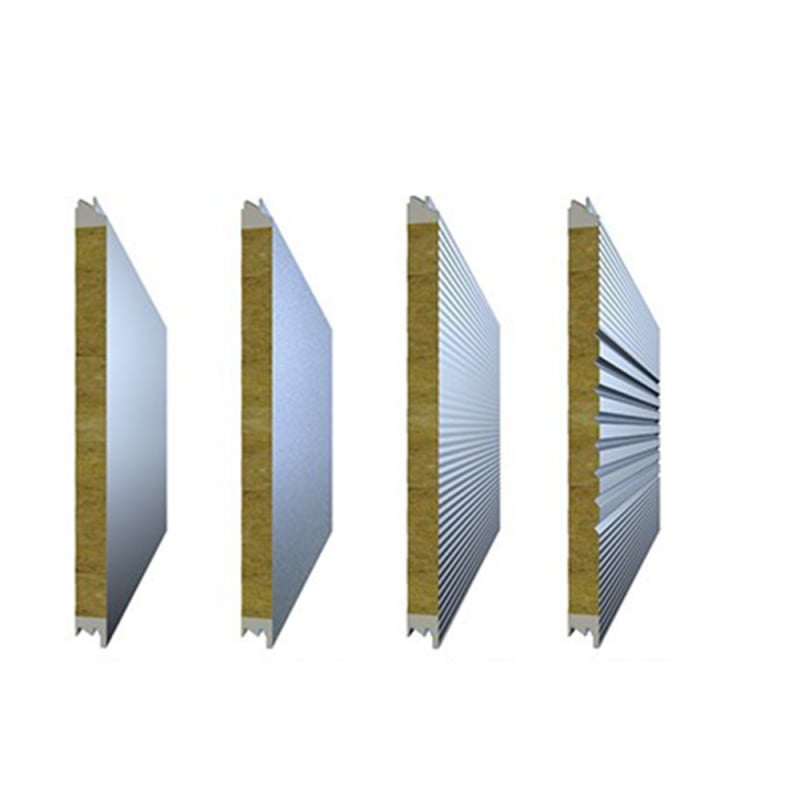
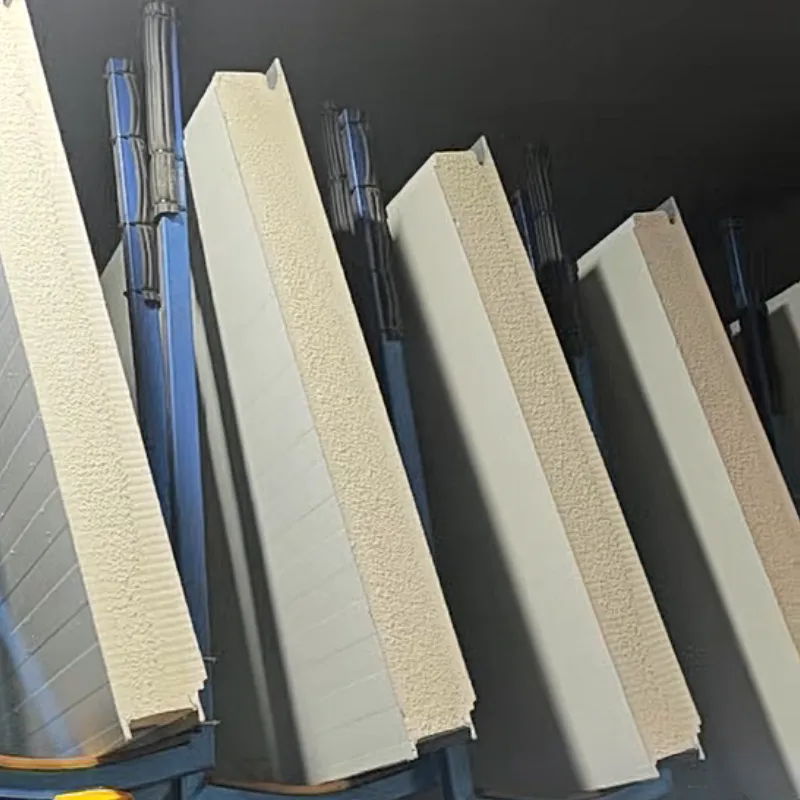
إذا قطعت لوحة غرفة نظيفة عرضيًّا، فستلاحظ ثلاث طبقات واضحة: صفحتان من الصلب المسطّح على الجانبين الخارجيين، وكتلة من مادة القلب في المنتصف، وشريط رفيع من المعدن المشكَّل يحيط بجميع الحواف الأربعة لربط كل شيء معًا. هذه هي التركيبة التشريحية للوحة. لكن وصف لوحة الغرفة النظيفة بأنها «صفحتا صلب مع شيءٍ ما في المنتصف» لا يقدّم فائدة تُذكر، تمامًا كما لا يفيد وصف حبة دوائية بأنها «مسحوق مضغوط على شكل قرص». فالمواد المستخدمة — أي نوع الطلاء المُطبَّق على الصلب، ومكوّن مادة القلب، وكيفية إغلاق الحواف، وما نوع المادة اللاصقة التي تربط جميع المكونات معًا — تحدد تقريبًا كل شيءٍ عن أداء اللوحة أثناء الاستخدام.
وهذا أمرٌ مهمٌ لأن ألواح الغرف النظيفة الدخول إلى البيئات التي تكون فيها عواقب فشل ماديٍّ جسيمة. فطبقة الطلاء السطحية التي تتحلل تحت عمليات التعقيم المتكررة تصبح مصدرًا للتلوث. أما المادة الأساسية التي تفقد أليافها عبر الحافة غير المختومة بشكل كافٍ، فإنها لا تفي بمتطلبات مكافحة التلوث في قطاعي الأدوية والأغذية. كما أن المادة اللاصقة التي تفقد قوة التماسك لديها بعد سنوات من دورات التغير الحراري تؤدي إلى انفصال الطبقات، مما يُضعف كلاً من السلامة الإنشائية والمحكمية الهوائية.
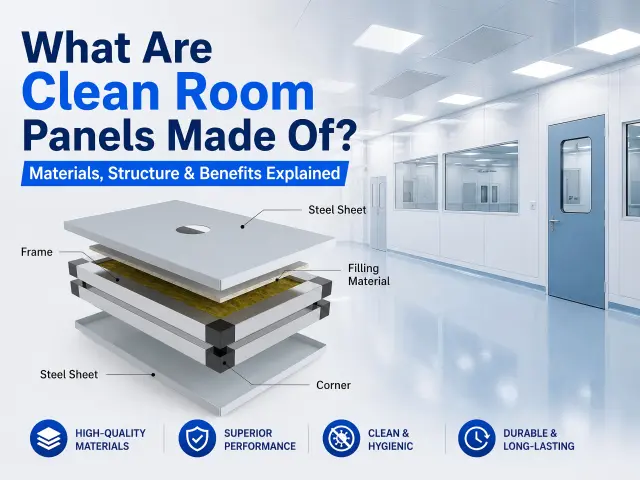
يحلِّل هذا المقال كل مكوِّن من مكونات لوحة غرفة نظيفة بالتفصيل: ما هي المواد المصنوعة منها، وما البدائل المتاحة لها، ولماذا تكتسب كل خيارات التصنيع أهميةً بالغة، وكيف تتفاعل هذه المكونات مع بعضها البعض ضمن نظام لوحة كامل.
لوحة الغرفة النظيفة هي مركّب من نوع الساندويتش: أي طبقتان خارجيتان صلبتان ملصقتان بقلب صلب، مع إغلاق جميع الحواف. ومصطلح «ساندويتش» يشير إلى البنية الهيكلية، حيث تعمل الأوراق الخارجية والقلب معًا كعنصر مركّب، فتتولى الأغلفة الفولاذية التحمّلات الشدّية والضغطية، بينما يوفّر القلب مقاومة للقص ويبعّد بين الطبقتين. وهذه الفاعلية المركّبة هي ما يمنح اللوحة الرقيقة صلابتها وقدرتها على تحمل الأحمال.
كلُّ واحدٍ من هذه المكوِّنات الخمسة يتضمَّن خياراتٍ في المواد تؤثِّر على أداء اللوحة وطول عمرها وملاءمتها لتطبيقات محددة. وتتناول الأقسام التالية كلَّ مكوِّنٍ منها بالتفصيل.
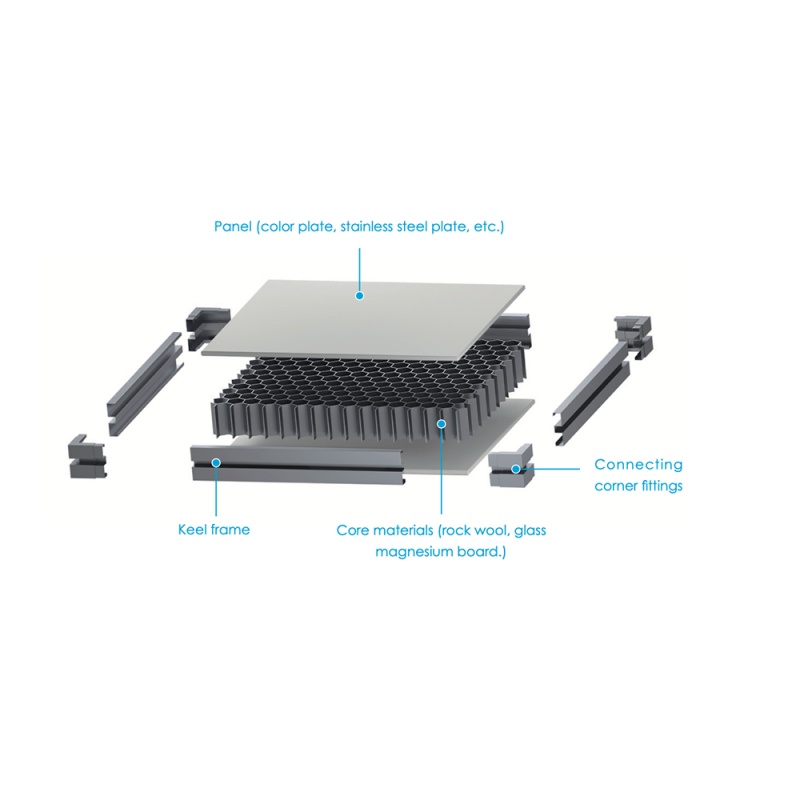
الصفائح الخارجية المزدوجة — التي تُسمَّى «الغطاء الخارجي» في صناعة الألواح — تؤدي ثلاث وظائف في وقتٍ واحد: فهي توفِّر السعة الشدِّية والانضغاطية البنائية التي تسمح للوحة بالامتداد بين الدعائم، كما تشكِّل حاجزًا ضد بخار الماء يحمي الطبقة الداخلية من الرطوبة، فضلاً عن كونها تشكِّل السطح الذي يتفاعل معه العاملون وتتلامس معه مواد التنظيف. وفي غرف النظافة (الكليين روم)، فإن هذه الوظيفة الأخيرة هي التي تتطلَّب أكبر قدرٍ من الجهد في وضع المواصفات.
الركيزة المستخدمة في معظم أغطية ألواح غرف النظافة هي الفولاذ المجلفن المدحرج على البارد — أي شريط فولاذي تم دحرجته إلى سماكة دقيقة ثم طُلي بطبقة رقيقة من الزنك (مجلفن) لتوفير مقاومة التآكل قبل تطبيق نظام الطلاء الزخرفي والواقي.
يُحدد وزن الطبقة المجلفنة بوحدة الجرام لكل متر مربع (غ/م²) من طبقة الزنك، وعادةً ما يُعبَّر عنه بالرمز Z275 (أي 275 غ/م² إجماليًّا للجانبين) أو برموز معادلة في الأسواق المختلفة. ولتطبيقات غرف النظافة الداخلية القياسية، يوفِّر الرمز Z275 مقاومة كافية للتآكل. أما بالنسبة للألواح المعرَّضة للعوامل الخارجية، أو البيئات الساحلية الواقعة على بعد بضعة كيلومترات من البحر، أو البيئات الداخلية عالية الرطوبة، فإن استخدام طبقة زنك أثقل أو ركيزة من نوع Galvalume (سبيكة ألمنيوم-زنك بنسبة 55%، وعادةً ما تُشار إليها بالرمز AZ150) يوفِّر حماية أفضل بكثير ضد التآكل.
وتُعد سماكة الغطاء العامل الآخر الرئيسي. وأكثر المواصفات شيوعًا لأغطية ألواح غرف النظافة هي 0.5 مم على كلا الوجهين. تقلل الأغشية الأرق (0.4 مم) التكلفة والوزن، لكنها تُضعف مقاومة الصدمات وصلابة السطح — ويصبح التموج أكثر وضوحًا عند إضاءة مائلة، كما تزداد قابلية اللوح للانبعاج نتيجة الاصطدامات التشغيلية. وتُحدد الأغشية الأكثر سماكة (0.6–0.8 مم) للمناطق المعرَّضة لتأثيرات عالية — مثل جدران الممرات حيث تُنقل المعدات بانتظام، ومحيط الأبواب، والألواح المجاورة لمناطق التحميل.
| سماكة الغلاف الخارجي | الاستخدام النموذجي | ملاحظات |
|---|---|---|
| 0.4 مم | غرف نظيفة اقتصادية، ألواح أسقف | مقاومة منخفضة للصدمات؛ غير موصى بها للجدران ذات الحركة المرورية العالية |
| 0.5 مم | الجدران القياسية للغرف النظيفة — في قطاعات الأدوية، والأغذية، والإلكترونيات | المعيار الصناعي لمعظم تطبيقات الممارسات الجيدة في التصنيع (GMP) |
| 0.6 مم | الممرات ومناطق مناولة المواد | مقاومة أفضل للصدمات؛ تموج سطحي أقل |
| 0.8–1.0 مم | الغرف النظيفة الصناعية الثقيلة، ومناطق الأرصفة | تُحدَّد في المناطق التي يشكِّل فيها مرور الرافعات الشوكية أو المعدات الثقيلة خطر اصطدام |
نظام الطلاء المُطبَّق على قاعدة الفولاذ المجلفن هو ما يراه ويتعامل معه معظم الأشخاص فعليًّا في غرفة نظيفة — وفي البيئات الخاضعة للتنظيم، فهو ما تتفاعل معه عوامل التنظيف والمطهِّرات ومفتشو الجودة طوال عمر التشغيل للمنشأة. ويعتبر اختيار الطلاء من أكثر القرارات المادية تأثيرًا في تحديد مواصفات لوحة الغرفة النظيفة.
البوليستر القياسي (PE) هو الطلاء الأكثر انتشارًا على الفولاذ المُسبق الطلاء للاستخدام العام. ويُطبَّق هذا الطلاء عبر عملية طلاء باللفائف — حيث يمر شريط الفولاذ عبر خط طلاء يتم فيه تطبيق طبقة أولية وطلاء سطحي، ثم يُسخَّن في فرن مستمر — لإنتاج نظام طلاء متجانس وخاضع للرقابة المصنعية، وبتكلفة أقل من البدائل المتفوقة.
تؤدي طبقات البولي إيثيلين (PE) أداءً جيدًا في البيئات التي تشمل عمليات التنظيف باستخدام المنظفات الخفيفة المطبَّقة بتردد معتدل. وهي غير مناسبة لأنظمة التعقيم القاسية — لا سيما تلك التي تتضمن عوامل مؤكسدة مثل بخار بيروكسيد الهيدروجين (VHP)، أو محاليل الكلور المركزة (هيبوكلوريت الصوديوم >1%)، أو حمض البيروكسيسيتيك. وعند التعرُّض المتكرر لهذه العوامل، قد تتحوَّل طبقات البولي إيثيلين إلى مسحوقٍ أبيض (تتآكل)، وتنشأ فيها مسامٌ دقيقة، وتضعف التصاقها بالسطح الأساسي، ما يؤدي تدريجيًّا إلى صعوبة تنظيفها بكفاءة. وفي غرف النظافة الصيدلانية من الدرجة باء (B) أو جيم (C) الخاضعة لعمليات إزالة التلوث البيولوجي المنتظمة باستخدام بخار بيروكسيد الهيدروجين (VHP)، تظهر عادةً علامات تدهور مرئية على طبقات البولي إيثيلين خلال ٥–٨ سنوات.
يُعَدّ بوليفينيليدن فلوريد (PVDF) الغطاء المرجعي القياسي للبيئات النظيفة الخاضعة للتنظيم. وتتمثّل الكيمياء المستخدمة في هذا الغطاء في هيكل أساسي من الفلوروبلمر يحتوي على روابط قوية بين الكربون والفلور، ما يجعله مقاومًا بشكلٍ أكبر بكثيرٍ للتدهور الناجم عن الأشعة فوق البنفسجية والهجمات الكيميائية مقارنةً بالطلاءات القائمة على الهيدروكربون مثل البوليستر. وتُصنَّف أنظمة PVDF الرائدة — مثل نظام كينار 500® الذي يُشار إليه على نطاق واسع في المواصفات الخاصة بالصناعات الدوائية والأغذية — لتتحمّل التعرّض الخارجي لما يزيد عن ٢٠ عامًا في البيئات ذات شدة الأشعة فوق البنفسجية العالية. أما في تطبيقات الغرف النظيفة الداخلية (حيث لا توجد أشعة فوق بنفسجية)، فإن الميزة الأهم في أدائها هي مقاومته الكيميائية، وهو ما يجعله يتفوّق باستمرارٍ على طلاءات البولي إيثيلين (PE) في ظل بروتوكولات التعقيم الصيدلاني على امتداد عمر المنشأة الذي يتراوح بين ٢٠ و٣٠ عامًا.
يُطبَّق مركّب PVDF في نفس عملية طلاء اللفائف التي تُستخدم فيها مادة PE، لكنه يستخدم نظام طلاء ثنائي الطبقات متخصصًا: طبقة أولية مانعة للتآكل (عادةً ما تكون مبنية على الإيبوكسي) وطبقة علوية من PVDF. وتتراوح سماكة الفيلم الجاف الإجمالية عادةً بين ٢٥ و٣٠ ميكرومترًا للتطبيقات الخاصة بالغرف النظيفة. أما الزيادة في التكلفة مقارنةً بطلاء PE القياسي فهي تبلغ تقريبًا ١٥–٢٠٪ من سعر اللوحة المُصنَّعة النهائية — وهي زيادة معتدلة عند توزيعها على دورة حياة المنشأة البالغة ٢٥ عامًا، لكنها كبيرة نسبيًّا عند احتسابها ضمن ميزانية المشروع.
يحتل مركّب HDP مكانة وسطية بين مركّب PE القياسي ومركّب PVDF من حيث الأداء والتكلفة معًا. وتوفّر تركيبات البوليستر المُعدَّلة المُضاف إليها السيليكون مقاومة أفضل ضد الأشعة فوق البنفسجية وتحسّنًا جزئيًّا في المقاومة الكيميائية مقارنةً بمركّب PE القياسي، لكنها لا تقترب من أداء مركّب PVDF تحت تأثير مواد التعقيم المؤكسدة القوية. ويُعَدُّ مركّب HDP مواصفة معقولة للمناطق الصيدلانية من الدرجة D التي تستخدم عوامل تنظيف معتدلة، وكذلك للبيئات الخاصة بمعالجة الأغذية التي لا تتضمّن بروتوكولات التعقيم تركيزات من الكلور تزيد عن ٥٠٠ جزء في المليون أو عوامل مؤكسدة.
توفر طبقات الإيبوكسي مقاومة جيدة للمواد الكيميائية والصلادة، لكنها تعاني من ضعف الاستقرار أمام الأشعة فوق البنفسجية — إذ تتآكل بسرعة تحت أشعة الشمس المباشرة. ولتطبيقات غرف النظافة الداخلية التي لا تتعرض للأشعة فوق البنفسجية، يمكن أن تكون طبقات الإيبوكسي خيارًا اقتصاديًّا عند اعتبار مقاومة المذيبات العامل الرئيسي. وبعض تطبيقات غرف النظافة المتخصصة (مثل مصانع أشباه الموصلات حيث تُستخدم مذيبات عضوية معينة) تشترط استخدام طبقات الإيبوكسي بالضبط نظرًا لمقاومتها الممتازة للمذيبات. أما في التطبيقات الصيدلانية والغذائية العامة، فتُفضَّل طبقة الـPVDF على طبقة الإيبوكسي بسبب قدرتها الفائقة على الحفاظ على المظهر على المدى الطويل ومرونتها.
| الطلاء | مقاومة الكيماويات | الهيدروجين البيروكسيدي الفائق التبخير / المؤكسد | مقاومة للأشعة فوق البنفسجية | مدة الخدمة (داخلي) |
|---|---|---|---|---|
| بولي فينيل كلوريد | ممتاز | ممتاز | ممتاز | 25+ سنة |
| HDP | جيد | معتدلة | جيد | ١٥–٢٠ سنة |
| إيبوكسي | جيد | معتدلة | ضعيفة (داخلية فقط) | ١٠–١٥ سنة (داخلي) |
| بولي إيثيلين قياسي | معتدلة | فقراء | معتدلة | 8–12 سنة |
اللب هو المادة الموجودة بين طبقتي الفولاذ. وهو المكوّن الذي يوفّر العزل الحراري، ويساهم في الأداء الصوتي، ويحدّد تصنيف مقاومة الحريق، وفي تطبيقات غرف النظافة (Cleanroom) يجب أن يكون مغلقًا تمامًا بحيث لا يمكن لأي جسيمات منه أن تتسرب إلى البيئة الخاضعة للرقابة. وهناك خمسة أنواع رئيسية من الألواح المستخدمة في غرف النظافة، وكل نوع منها مناسب لتطبيقات محددة.
يُصنع صوف الصخور بذوبان صخور البازلت (وغالبًا ما يُضاف إليه خَرَدة معدنية منتجة أثناء تصنيع الصلب) عند درجات حرارة تفوق ١٥٠٠°م، ثم تُسحب المادة المنصهرة على هيئة ألياف دقيقة باستخدام عملية تشبه في مبدئها صنع حلوى القطن. وبعد ذلك تُجمع هذه الألياف وتُثبت معًا بواسطة راتنج رابط فينولي، ثم تُضغط في ألواح صلبة بكثافات مضبوطة بدقة. والنتيجة النهائية عبارة عن مادة غير عضوية في الغالب — بنسبة ٩٧–٩٨٪ ألياف معدنية — ولذلك فهي لا تشتعل.
خصائص صوف الصخور الرئيسية
بالنسبة للألواح المستخدمة في غرف النظافة، فإن جميع أنواع صوف الصخور ليست متكافئة. فدرجة الكثافة تؤثر تأثيراً كبيراً: إذ تتراوح الكثافة القياسية لغرف النظافة الخاصة بالصناعات الدوائية وفقاً لممارسات التصنيع الجيدة (GMP) بين ١٠٠ و١٢٠ كغ/م³، وهي كثافة توفر سطحاً مناسباً للالتصاق بالمادة اللاصقة، وأداءً صوتياً مقبولاً، واستقراراً أبعادياً على المدى الطويل. أما صوف الصخور ذي الكثافة المنخفضة (بين ٦٠ و٨٠ كغ/م³)، الذي يُستخدم عادةً في الألواح الساندويشية الصناعية القياسية، فقد ينضغط مع مرور الزمن ويُحدث فراغات بين الطبقة الوسطى والغلاف الخارجي. كما أن اتجاه الألياف له أهمية بالغة: فصوف الصخور ذي الترتيب الطبقي (Lamella-oriented)، حيث تتجه الألياف عمودياً على سطح اللوح بدلاً من أن تكون موازية له، يوفّر مقاومة التصاق أعلى بكثير عند سطح التلامس مع الغلاف الخارجي.
العسل الألومنيومي هو مادة أساسية هيكلية تُصنع من رقائق ألومنيوم رقيقة يتم توسيعها إلى نمط خلوي سداسي الشكل — وهي نفس المبدأ الهندسي المستخدم في خلايا النحل. وعادةً ما يتراوح عرض الخلايا بين ٦ و١٢ مم. وتُلصق ورقة العسل الألومنيومي بين طبقتي الفولاذ باستخدام لاصق هيكلي، ويؤدي التفاعل المركب بين الخلايا الألومنيومية الرقيقة عند الضغط، مع طبقي الفولاذ اللذين يتحملان الشد والضغط، إلى إنتاج لوحة تتميّز بصلابة استثنائية بالنسبة لوزنها.
العسل الألومنيومي — الخصائص الرئيسية
لا توفر خلية الألومنيوم السداسية عزلًا حراريًّا ذا معنى — إذ إن مقاومتها الحرارية لكل ملليمتر أقل بكثير من أي قلب رغوي. ومع ذلك، فإن العزل الحراري ليس الشرط الرئيسي في ألواح أسقف غرف النظافة العالية (الغرف النظيفة). بل المطلوب هو لوحة خفيفة الوزن وصلبة وغير قابلة للاشتعال، يمكنها دعم أفراد الصيانة أثناء سيرهم عليها بأمان أثناء تغيير مرشحات أنظمة التكييف المركزي أو صيانة الإضاءة. وتستطيع خلية الألومنيوم السداسية بسماكة ٥٠ مم عادةً تحمل حملاً مركّزًا يتراوح بين ١٥٠ و٢٠٠ كجم/م² مع انحراف مقبول — وهي كافية للوصول إلى أماكن الصيانة في معظم تركيبات أسقف الغرف النظيفة المستخدمة في قطاعي الأدوية والأغذية.
يُنتج رغوة البولي يوريثان عن طريق خلط مكونين كيميائيين سائلين تفاعليين — وهما البوليوال والإيزوسيانات — اللذين يتفاعلان تفاعلًا طاردًا للحرارة ويتسعان، ليملآ الفراغ بين طبقتي الفولاذ في عملية لصق مستمرة. وعندما تتسع الرغوة، فإنها تلتصق مباشرةً بكل من السطحين، ما يكوّن رابطةً مستمرةً دون الحاجة إلى خطوة لاصقة منفصلة. والنتيجة هي تركيب رغوي مغلق الخلايا ذا خلايا دقيقة جدًّا ومتجانسة — وهذه البنية الدقيقة للخلايا، التي تحبس جزيئات الغاز بكفاءة عالية، هي ما يمنح رغوة البولي يوريثان خصائص عزل حراري ممتازة.
رغوة البولي يوريثان — الخصائص الرئيسية
رغوة البولي إيزوسيانورات (PIR) هي نسخة معدلة كيميائيًّا من البولي يوريثان (PU)، وتتميّز بمحتوى أعلى من الإيزوسيانات في الخليط التفاعلي. ويؤدي ذلك إلى إنتاج رغوة أكثر استقرارًا حراريًّا، تحقّق سلوكًا أفضل قليلًا في مواجهة الحريق (تصنيف B2 في ظروف أكثر)، وقيمة لامبدا أقل قليلًا (0.022–0.024 واط/متر·كلفن) مقارنةً بالبولي يوريثان القياسي. وتُفضَّل رغوة البولي إيزوسيانورات (PIR) بشكل متزايد على البولي يوريثان القياسي في الألواح المستخدمة في التغطيات السقفية وفي التطبيقات التي تتطلّب أداءً حراريًّا جيّدًا وسلوكًا آمنًا في مواجهة الحريق — مع العلم أن هذه المادة، شأنها شأن البولي يوريثان، تظل قابلة للاشتعال ولا يمكنها تحقيق متطلّب غير القابلية للاشتعال من الفئة A1.
تستخدم خلية الورق السداسية الشكل نفس الهندسة الخلوية السداسية لخلية الألومنيوم، لكنها تُستبدل رقائق الألومنيوم بورق كرافت مشبع براتنج الفينوليك. وهي أخف وزنًا من الألومنيوم وأقل تكلفةً بكثير، لكنها أقل صلابةً، وأقل مقاومةً للرطوبة، وقابلة للاشتعال (الفئة باء أو جيم). وتُستخدم ألواح خلية الورق في تطبيقات أسقف وتجزئة غرف النظافة الاقتصادية — أي غرف النظافة الصناعية أو البحثية العامة ذات التصنيف الآيزو ٧–٩، حيث تكون متطلبات مقاومة الحريق أقل صرامة والميزانية عامل قيود رئيسي. ولا تصلح هذه الألواح لبيئات الأدوية الخاضعة لممارسات التصنيع الجيدة (GMP) أو مرافق معالجة الأغذية المعرَّضة بانتظام لمياه الغسل.
يتم تصنيع رغوة البوليستيرين الموسّعة (EPS) عن طريق توسيع حبيبات البوليستيرين بالبخار، ثم دمجها في كتل، وتقطيعها إلى الأحجام المطلوبة. وهي أرخص نوع من المواد الأساسية الرغوية من حيث التكلفة، وأبسطها من حيث الأداء الحراري — إذ تتراوح قيمتها لمعامل التوصيل الحراري (λ) بين 0.036 و0.040 واط/متر·كلفن، وهي قيمة مشابهة لتلك الخاصة بالصوف الصخري، دون أن تتمتع رغوة الـEPS بميزة الصوف الصخري في مقاومة الحريق. وتُستخدم ألواح الـEPS في التطبيقات الصناعية العامة ذات الفئة الاقتصادية: مثل المناطق النظيفة الأساسية، والمباني الزراعية، وأنظمة الجدران التقسيمية للمكاتب. وهي مادة قابلة للاشتعال، ولها حدٌّ أقصى لدرجة حرارة التشغيل يبلغ حوالي 75–80°م (ما يجعلها غير مناسبة لأغراض الألواح السقفية الخارجية في المناخات شديدة الحرارة)، ولا يُوصى باستخدامها في البيئات الدوائية أو الغذائية أو المستشفية.
| النواة | مصنوعة من | فئة الحريق | حراري | الوزن | الاستخدام الأساسي |
|---|---|---|---|---|---|
| صوف الصخور | البازلت + خَبَث معاد تدويره، ألياف مُسحوبة | الإجابة ١ | معتدلة | ثقيل | الجدران المستخدمة في المرافق الدوائية الخاضعة لمعايير التصنيع الجيد (GMP)، والمستشفيات، والمرافق الغذائية |
| شبكة سداسية من الألومنيوم | رقائق ألومنيوم، خلية سداسية الشكل | الإجابة ١ | منخفض (هيكلي) | خفة الوزن جدًا | ألواح السقف الخاصة بالغرف النظيفة |
| رغوة البولي إيزوسيانورات | اليوريا-إيزوسيانورات، رغوة مغلقة المسام | B2 | ممتاز | ضوء | ألواح السقف، المناخات الحارة، الغرف الباردة |
| رغوة البولي يوريثين | البولي يوريثان، رغوة مغلقة المسام | B2 | ممتاز | ضوء | التخزين البارد، السلسلة الباردة للأغذية |
| ورق عسل | ورق كرافت، راتنج فينولي | ب–ج | منخفضة | ضوء | أسقف غرف النظافة الاقتصادية، والجدران الفاصلة |
| Eps | حبوب البوليستيرين الموسع | B2/B3 | معتدلة | خفة الوزن جدًا | الاستخدامات الصناعية العامة، والمباني الاقتصادية |
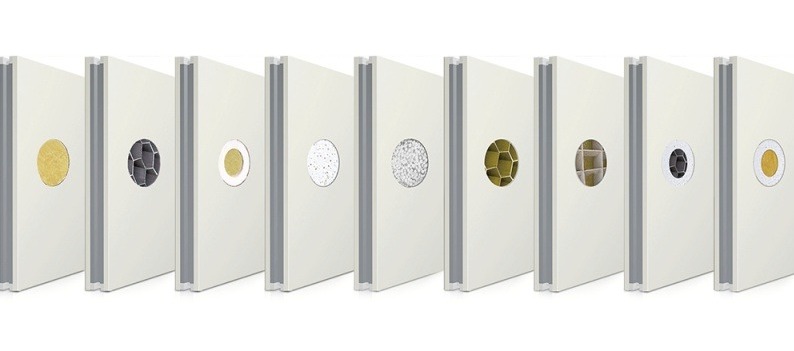
هذه الميزة وحدها هي التي تُميِّز لوحة غرفة النظافة عن لوحة الساندويتش الصناعية القياسية بشكلٍ أوضح ما يكون — وهي التفصيل الأسهل إهماله عند مقارنة صور المنتج أو مواصفاته دون التعامل مع المنتج الفعلي.
تُقطَع ألواح الساندويتش الصناعية القياسية (مثل تلك المستخدمة في تغليف المستودعات أو التبريد) إلى الطول المطلوب على خط إنتاج مستمر، مما يترك حوافها المقطوعة مكشوفة أو محمية بشكلٍ ضئيلٍ جداً. وبذلك يصبح مادة القلب متاحةً عند الحواف. وفي حالة المستودع، لا يُعدُّ ذلك أمراً ذا أهمية. أما في غرف النظافة، فيعني أن مادة القلب — سواء كانت ألياف صخرية أو حبيبات بوليستيرين موسع أو جزيئات رغوية — تكون على اتصال مباشر مع داخل الغرفة، وبالتالي ستُطلق جسيمات باستمرارٍ في البيئة الخاضعة للرقابة.
لوحة غرفة نظيفة تحتوي على أربعة حواف مغلقة تمامًا بواسطة أقسام قناة مصنوعة خصيصًا من الفولاذ أو الألومنيوم، وتغطي هذه الأقسام اللبّ بالكامل. وتُثبَّت هذه القنوات ميكانيكيًّا عبر طيّها أو تجعدها حول حافة اللوحة، ثم تُلصق باستخدام مادة لاصقة. والنتيجة هي لوحة لا يظهر فيها أي جزء من مادة اللبّ على أي من الوجوه أو الحواف. وجرب أن تمرّر إصبعك على الحافة — فعليك أن تشعر فقط بسطح معدني أملس، دون أي وصول إلى مادة اللبّ.
كيفية فحص العينة: عند تقييم عينات ألواح الغرف النظيفة من المورِّدين المحتملين، قم بتدوير اللوح على حافته وافحص جميع جوانبه الأربعة. ويجب ألا يظهر أي مادة من مادة القلب ظاهرةً — لا ألياف صخرية، ولا رغوة، ولا فراغ بين قناة الحافة وسطح اللوح. واضغط بقوة على قناة الحافة: يجب أن تشعر بأنها صلبة ومُلصَقة جيدًا، وليس مترخية أو سهلة التشوه. وأي لوح يمكن الوصول إلى مادته الداخلية من خلال حافته لا يُعتبر لوحة غرفة نظيفة، بغض النظر عمّا قد تشير إليه ورقة المواصفات.
في ألواح غرف النظافة التي تتكوَّن من قلبٍ من صوف الصخور أو نوى من الألمنيوم على شكل خلية نحل أو نوى من الورق على شكل خلية نحل — والتي لا يمكنها أن تلتصق ذاتيًّا بطبقات الفولاذ كما تفعل المواد الرغوية أثناء التوسع — تُعتبر المادة اللاصقة عنصرًا منفصلًا وحاسمًا. فهي المسؤولة عن نقل الأحمال بين طبقات الفولاذ والقلب، وهي التي تحدد ما إذا كانت اللوحة تحتفظ بكامل متانتها الإنشائية على مدى عقود من دورات التغير الحراري والأحمال الميكانيكية والاصطدامات العرضية.
المادة اللاصقة القياسية لـ ألواح غرف نظافة عالية الجودة هو نظام بولي يوريثان مكوَّن من مادتين (2C-PU). وتتكوَّن المادتان — البوليوال والآيسوسيانات — من نفس التركيب الكيميائي المستخدم في رغوة البولي يوريثان، لكنهما مُحضَّرتان لتطبيقات اللصق بدلًا من تطبيقات الرغوة. ويتم خلط المادتين فورًا قبل الاستخدام وتطبيقهما على سطح الغلاف الفولاذي وعلى سطح القلب العازل. ويتم اكتمال تصلُّب المادة اللاصقة خلال ١٢–٢٤ ساعة تحت الضغط، مشكِّلةً رابطةً قويةً ومطيلةً في آنٍ واحد؛ حيث تكتسب المطيلية أهميةً بالغةً لأن معامل التمدد الحراري للصلب يختلف عن معامل التمدد الحراري لصوف الصخور، وبالتالي يجب أن تتحمَّل المادة اللاصقة الحركة التفاضلية بينهما دون أن تتشقَّق طوال عقود الخدمة.
المتطلبات الأساسية لنظام المادة اللاصقة:
في الألواح المصنوعة من رغوة البولي يوريثان (PU) ورغوة البولي أيزوسيانورات (PIR) على خطوط التصنيع المستمرة، تعمل الرغوة نفسها كمادة لاصقة — فهي تلتصق بأغلفة الفولاذ أثناء تمددها ومعالجتها. ويعتمد جودة الالتصاق على تركيب الرغوة الكيميائي، وسرعة الخط، وملف درجة الحرارة، وإعداد سطح غلاف الفولاذ. ويمكن للوحات المنتجة على خطوط تصنيع مستمرة مُصمَّمة جيدًا أن تحقق جودة اتصال ممتازة؛ أما الألواح المنتجة على خطوط أقل جودة فقد تحتوي على فراغات عند واجهة الغلاف لا تظهر ظاهريًّا لكنها تقلل الأداء الهيكلي.
وبعد تصنيع الألواح الفردية، يجب توصيلها ببعضها البعض وبالأرضية والسقف بطريقة تحافظ على إحكام غلق الغرفة ومنع التلوث في نظام الغرفة بأكمله. وتكاد مواد الاتصال هذه أهميةً من مواد الألواح نفسها.
وتُعتبر الموصلات الداخلية المخفية هي الطريقة القياسية لربط الغرف النظيفة في قطاعي الصناعات الدوائية والأغذية؛ وهي عبارة عن شكل معدني مُدرَّج من الفولاذ أو الألومنيوم، صُمِّم ليغطي الفجوة بين لوحيْن متجاورين عند نقطة اتصالهما. ويوضع هذا الموصل داخل فجوة الاتصال بحيث يبقى مخفيًّا عن الجزء الداخلي من الغرفة. ومن أكثر الأشكال شيوعًا في السوق الصينية والدولية: الموصلات ذات الشكل العدسي (والتي تُسمى في المصطلحات الصناعية الصينية «نوع شيانغ تسي») والموصلات ذات الشكل الحرفِي «تاء». وتكون المادة المصنوعة منها عادةً فولاذًا مجلفنًا أو مقاومًا للصدأ لضمان القوة، أما في التطبيقات الأخف وزنًا أو حيث توجد مخاوف تتعلق بالتآكل، فيُستخدم الألومنيوم.
القنوات على شكل حرف U الموجودة في الأرضية والسقف تُحدّد قاعدة ورأس ألواح الجدران. وتُصنع هذه القنوات عادةً من الفولاذ المجلفن أو الفولاذ المقاوم للصدأ، وبأبعاد تتناسب مع سماكة اللوح. وفي غرف النظافة الصيدلانية، يُصمَّم قناة الأرضية بحيث يمكن تقويس موضع التقاء الأرضية باللوح (انظر أدناه) دون ترك حافة أو درجة. ويجب إغلاق قنوات الأرضية بالغراء المناسب أو التثبيت الميكانيكي على الأرضية الإنشائية قبل تركيب الألواح، كما يُغلَق المفصل بين قناة الأرضية والأرضية باستخدام السيليكون كجزء من نظام إحكام غرفة العمل ضد التسرب الهوائي.
تتطلب الزوايا الداخلية والزوايا الخارجية والتقاطعات على شكل حرف T (أي حيث تلتقي الجدارية الفاصلة مع الجدار المحيطي) ملفات معدنية مخصصة الصنع. وعادةً ما تكون هذه الملفات عبارة عن ملفات ألمنيوم مُشكَّلة، مصممة خصيصًا لتناسب سماكة اللوح المحددة ومُهيَّأة لتتوافق مع هندسة الزاوية. وفي غرف النظافة الصيدلانية، تتضمن قطع الزوايا الداخلية نصف القطر المنحني (Cove radius) عند التقاء الجدار بالأرضية والجدار بالسقف (ويتراوح عادةً بين ٤٠ و٦٠ مم)، مما يلغي الزاوية الداخلية الحادة التي قد تُشكِّل منطقة صعبة التنظيف.
يعتبر مانع التسرب السيليكوني المادة النهائية التي تجعل غرفة النظافة محكمة الإغلاق ضد الهواء. ويُطبَّق هذا المانع على كل مفصل بين الألواح، وعلى كل انتقال زاوي، وعلى كل اختراق للسطح الخارجي للوحة، وعلى كل نقطة تلامس بين نظام الألواح والأرضية والسقف، ليوفِّر في الوقت نفسه إحكام الإغلاق الهوائي والتشطيب السطحي المعقَّم عند المفاصل. ولنوعية مانع التسرب أهمية كبيرة:
الصلب المجلفن المطلي هو مادة الغلاف السائدة عالميًّا للوحات غرف النظافة، لكن هناك عدة مواد بديلة تظهر في تطبيقات محددة حيث تكون خصائص الصلب غير كافية أو حيث تُعطى أولوية لخصائص أداء معيَّنة.
تُلغي أغشية الفولاذ المقاوم للصدأ نظام الطلاء بالكامل، وبالتالي تسقط معه مسألة متانة الطلاء. وتوفِّر الدرجة 304 مقاومة ممتازة للتآكل في معظم البيئات الصيدلانية والغذائية. أما الدرجة 316L فتضيف الموليبدنوم إلى السبيكة، ما يحسِّن مقاومتها للثقوب الناتجة عن الكلوريدات، مما يجعلها الخيار الأنسب للمنشآت الساحلية، والمرافق التي تستخدم مطهِّرات قائمة على الكلور بتركيز عالٍ، ومناطق تصنيع الأدوية السامة الخلوية أو عالية الفاعلية، حيث توجد أكثر البيئات الكيميائية عدوانية.
التشطيب النموذجي هو التشطيب رقم 4 (المُشَكَّل بالفرشاة) أو التشطيب 2B (المدحرج البارد الأملس)؛ حيث يوفِّر التشطيب المُشَكَّل بالفرشاة سطحًا أملسًا غير عاكسٍ، مما يقلل الوهج في المساحات الصيدلانية أو المختبرية المُضاءة بإضاءةٍ قوية. وتتميَّز ألواح الفولاذ المقاوم للصدأ بعلاوة تكلفةٍ كبيرةٍ (تتراوح بين ٦٠٪ و٩٠٪ فوق نظيراتها المطلية ببولي فلوريد الفينيل)، لكنها تلغي الحاجة إلى طلاء الأسطح أو إعادة تجديدها ضمن جدول الصيانة الطويل الأمد للمنشأة.
تتكوّن أغشية الـFRP من تعزيز من الألياف الزجاجية المنسوجة المغمّسة في مصفوفة راتنج بوليستر أو راتنج إستر فينيلي. والنتيجة هي مادة خفيفة الوزن ومقاومة كيميائيًّا لمجموعة واسعة من المنظفات والمطهّرات الصناعية، ومتوفرة بتشطيبات سطحية ناعمة من طبقة الجل التي يسهل تنظيفها وتحافظ على النظافة. وتُستخدم ألواح الـFRP عادةً في غرف النظافة الخاصة بمعالجة الأغذية، حيث تتعرّض الجدران لغسل عالي الضغط بالماء الساخن؛ إذ تتحمّل الـFRP هذه المعالجة أفضل من الفولاذ المطلي بالطلاء عبر دورات متكرّرة. كما تُستخدم أيضًا في بعض بيئات معالجة المواد الكيميائية وصناعة أشباه الموصلات، حيث تطلب توافقًا محدّدًا مع المذيبات. ولا يمكن لألواح الـFRP تحقيق تصنيف الحريق من الفئة A1.
تُعتبر مادة HPL مادة سطحية زخرفية مصنوعة من طبقات من ورق الكرافت المشبع براتنج الفينوليك، ومغطاة بطبقة زخرفية علوية، وتُضغط جميعها تحت درجة حرارة وضغط عالٍ. وفي ألواح غرف النظافة (Cleanroom)، تُلصق مادة HPL على القاعدة الفولاذية لتكون الطبقة الداخلية للسطح. وتتميّز هذه المادة بمقاومة ممتازة للخدوش، وبتشكيلة واسعة من الألوان وقوام السطح (بما في ذلك التركيبات المضادة للكهرباء الساكنة)، وبمقاومة كيميائية معقولة. وتُستخدم الألواح المغطاة بمادة HPL في غرف النظافة الخاصة بالصناعات الإلكترونية والبيئات المخبرية، حيث تُقدَّر مقاومتها للخدوش والمرونة الجمالية التي توفرها. ومع ذلك، فإن مادة HPL قابلة للاشتعال، ولا تصلح لغرف النظافة الصيدلانية الخاضعة لمتطلبات التصنيف GMP من الدرجة A1.
إن تحويل خيارات المواد المذكورة أعلاه إلى مواصفات مشروعٍ ما يتطلب مطابقة المتطلبات الأساسية لكل تطبيق مع الخصائص المادية التي تحققها. وفيما يلي ملخّص عملي لذلك:
| التطبيق | نواة الجدار | نواة السقف | السطح (الداخلي) | سماكة الغلاف الخارجي |
|---|---|---|---|---|
| الصيدلة وفق معايير GMP (الدرجة باء/سي) | صوف صخري بسماكة ١٠٠ مم | ألومينيوم على شكل خلية نحل بسماكة ٥٠ مم | PVDF أو الفولاذ المقاوم للصدأ ٣٠٤ | 0.5 مم |
| غرفة العمليات بالمستشفى | صوف صخري بسماكة ١٠٠ مم | ألومينيوم على شكل خلية نحل بسماكة ٥٠ مم | بولي فينيليدين فلوريد أبيض | 0.5 مم |
| معالجة الأغذية (في درجة حرارة الغرفة) | صوف صخري بسماكة ٧٥ مم | ألومينيوم على شكل خلية نحل / صوف صخري | بوليمر فلوريد البوليفينيل (PVDF) أو راتنجات البوليستر المدعومة بالألياف الزجاجية (FRP) | 0.5–0.6 مم |
| الصناعات أشباه الموصلات والإلكترونيات | صوف صخري بسماكة ٧٥–١٠٠ مم | ألومينيوم على شكل خلية نحل بسماكة ٥٠ مم | بولي فينيليدين فلوريد مضاد للكهرباء الساكنة / لامينات بلاستيكية عالية الضغط / فولاذ مقاوم للصدأ | 0.5 مم |
| غرف التبريد / المخازن الباردة للأدوية | بولي يوريثان/بولي أيزوسيانورات بسماكة ١٥٠–٢٠٠ مم | بولي يوريثان/بولي أيزوسيانورات بسماكة تتراوح بين ١٠٠ و١٥٠ مم | بولي فينيل فلورايد أو بولي إيثيلين | 0.5 مم |
| غرف نظيفة صناعية عامة (معيار الآيزو ٧–٩) | صوف صخري أو بولي يوريثان بسماكة تتراوح بين ٥٠ و٧٥ مم | عسل ورقي / عسل ألمنيومي | بولي فينيل ديفلوريد أو هيدروكسي ميثيل ثنائي الفينيل بولي إيثيلين | ٠٫٤–٠٫٥ مم |
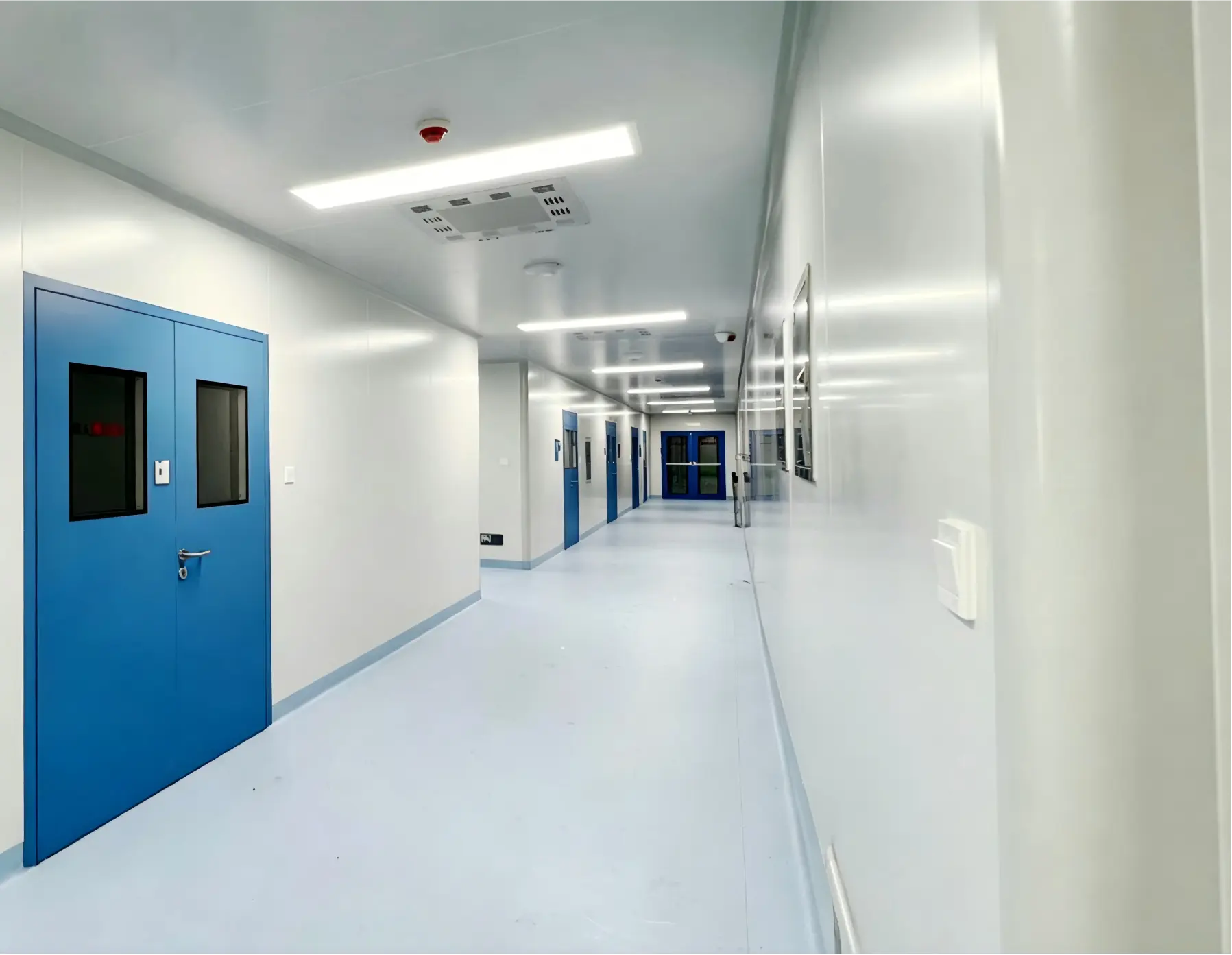
في لوحة غرفة نظيفة مصنوعة بشكل سليم، تكون القلب محصورًا بالكامل ولا يظهر من أي زاوية. وتغطي صفائح الصلب الأمامية والخلفية القلبَ، بينما تُغلق قنوات الحواف المصنوعة من الصلب أو الألومنيوم المُشكَّلة جميع الحواف الأربعة المقطوعة. وهذه سمةٌ مميِّزةٌ للوح الغرفة النظيفة مقارنةً بلوح الساندويتش الصناعي القياسي. فإذا أمكنك رؤية قلب المادة أو الوصول إليه من أي اتجاه أثناء فحص اللوح، فهذا يعني أنه لم يُصنع وفق معايير الغرفة النظيفة، بغض النظر عمّا ورد في ورقة المواصفات.
تصنيف مقاومة الحريق. تحقّق صوف الصخور تصنيف الفئة A1 (غير قابل للاشتعال) وفقًا للمعيار الأوروبي EN 13501-1، بينما تحقّق رغوة البولي يوريثان ورغوة البولي إيزوسيانورات (PIR) أقصى تصنيف ممكن وهو الفئة B2 (قابلة للاشتعال). وتشترط المرفق رقم 1 من دليل التصنيع الجيد (GMP) الخاص بالاتحاد الأوروبي ومعظم القوانين الوطنية المتعلقة بمقاومة الحريق في مصانع الأدوية استخدام مواد بناء غير قابلة للاشتعال في مناطق الإنتاج. ولا يمكن للوحات ذات القلب الرغوي، بغض النظر عن خصائصها الأخرى، الوفاء بهذا الشرط. كما أن صوف الصخور يوفّر أداءً صوتيًّا أفضل (بين 38 و45 ديسيبل Rw عند سماكة 100 مم، مقارنةً بـ28–35 ديسيبل لرغوة البولي يوريثان المكافئة)، وهي ميزة مفيدة في المرافق الدوائية التي تتطلب عزلًا صوتيًّا بين مناطق الإنتاج.
في معظم ألواح الغرف النظيفة، تُستخدم الطبقة الداخلية والخارجية نفس المادة الأساسية (الفولاذ المجلفن) ونفس نظام الطلاء (PVDF أو PE). وبعض المواصفات تستخدم طبقةً أكثر سماكةً على الوجه الداخلي (أي «الجانب النظيف») لتحسين مقاومة التصادم، بينما يُسمح بأن تكون الطبقة الخارجية أرق قليلًا. أما في الألواح المستخدمة في المنشآت الصيدلانية، حيث تتعرّض الطبقة الخارجية للعوامل الجوية الخارجية أو لظروف غرفة المعدات الرطبة جدًّا، فقد تُحدَّد هذه الطبقة الخارجية بأن تكون مغلفة بطبقة زنك أثقل أو أن تكون مصنوعة من ركيزة «غالفالوم» لتوفير حماية إضافية ضد التآكل. وفي الألواح المصنوعة من الفولاذ المقاوم للصدأ، تكون عادةً كلتا الطبقتين من نفس الدرجة والنهاية السطحية.
الصوف الصخري يحتوي بالفعل على نسبة كبيرة من المحتوى المعاد تدويره — وعادةً ما تكون هذه النسبة ٢٠–٣٠٪ من خبث التصنيع ما بعد الصناعي المستخلص من إنتاج الصلب، وهو أحد المدخلات الخام المستخدمة في عملية إذابة الألياف. أما أغلفة الصلب فتُصنع من فولاذ يحتوي على مستويات قياسية من المحتوى المعاد تدويره، وهي مستويات متأصلة في عملية صهر الصلب. أما قلوب رغوة البولي يوريثان (PU) والبولي آيزوسيانورات (PIR) فهي بوليمرات مشتقة من النفط وتضم كمية محدودة جدًّا من المحتوى المعاد تدويره في المنتجات التجارية الحالية. وللمشاريع التي تتطلب شهادات استدامة (مثل LEED أو BREEAM)، يمكن أن يسهم المحتوى المعاد تدويره في ألواح الصوف الصخري في تحقيق ائتمانات المواد — لذا يُرجى التواصل مع شركة تصنيع الألواح للحصول على وثائق الإعلان البيئي للمنتج (EPD) إذا كانت هذه المسألة ذات صلة بمشروعكم.
أوثق فحص ميداني هو اختبار التقشير: عند حافة أو زاوية مقطوعة، حاول فصل الطبقة السطحية عن القلب يدويًّا. وفي اللوح المُلصَق بشكلٍ سليم، يجب أن يتمزَّق صوف الصخور قبل أن يفشل الالتصاق — أي أنك ستقوم بسحب ألياف صوف الصخور بعيدًا عن بعضها، وليس تقشير طبقة سطحية نظيفة من سطح قلب نظيف. أما الانفصال النظيف عند واجهة الطبقة السطحية والقلب فيدل على ضعف الالتصاق أو فشله. وللتحقق بدقة أكبر، تتطلب اختبارات الالتصاق والتقشير التدميرية الصحيحة جهاز اختبار شد، ويجب تكليف مختبرٍ خارجيٍّ مستقلٍّ بهذه الاختبارات عند تنفيذ طلبات كبيرة. ومنهجية موثوقة تتمثل في الإصرار على تقريرٍ مستقلٍّ لاختبار مقاومة الالتصاق صادرٍ عن جهة معتمدة (مثل SGS أو Bureau Veritas أو Intertek) قبل إصدار طلب كبير.
لا. يختلف سمك الطبقة السطحية حسب متطلبات الاستخدام ومواصفات المنتج. وتستخدم الألواح القياسية للغرف النظيفة في جدران قطاعي الأدوية والأغذية طبقة سطحية بسمك ٠٫٥ مم على كل وجه. أما الألواح الاقتصادية للأسقف فقد تستخدم طبقة سطحية بسمك ٠٫٤ مم. وتتطلب الألواح المخصصة لمناطق الممرات أو مناطق التحميل التي تتعرض لصدمات عالية طبقة سطحية بسمك ٠٫٦ مم أو أكثر. وبعض الشركات المصنعة تستخدم طبقة سطحية بسمك ٠٫٥ مم على الوجه الداخلي (النظيف) وطبقة بسمك ٠٫٤ مم على الوجه الخارجي لتقليل الوزن مع الحفاظ على جودة السطح الداخلي — ويجب دائمًا التأكد من سمك الطبقتين عند مقارنة المنتجات، إذ قد تذكر المواد التسويقية أحيانًا فقط سمك الطبقة السطحية الداخلية.
يمكن إعادة تدوير ألواح غرف النظافة جزئيًّا في نهاية عمرها الافتراضي، رغم أن هذه العملية تتطلب فصل المواد المكوِّنة لها. أما أغطية الفولاذ فهي قابلة لإعادة التدوير بالكامل عبر عمليات إعادة تدوير المعادن القياسية. ويمكن إعادة تدوير صوف الصخور لاستخدامه مجددًا في إنتاج صوف صخري جديد؛ فقد أطلقت بعض الشركات المصنِّعة برامج لجمع الألواح المستعملة وإعادة تدويرها في نهاية عمرها الافتراضي. أما رغوة البولي يوريثان (PU) ورغوة البولي أيزوسيانورات (PIR) فهي أكثر صعوبة في إعادة التدوير، وغالبًا ما تُرسل إلى المكبات أو تُستخدم في استرجاع الطاقة. أما نواة الألومنيوم المشبَّكة فهي قابلة لإعادة التدوير بالكامل عبر سلاسل إعادة تدوير الألومنيوم. وللمشاريع التي تفرض متطلباتٍ محددةً في مجال إدارة النفايات في نهاية العمر الافتراضي، تُعَدُّ ألواح صوف الصخور وألواح نواة الألومنيوم المشبَّكة الأفضل من حيث قابلية إعادة التدوير مقارنةً بأنواع الألواح الرئيسية الأخرى.
تُصنّع شركة جلوستار ألواح غرف النظافة عبر كامل نطاق المواد الأساسية — صوف الصخور، والألمنيوم على شكل خلية نحل، والبولي يوريثان (PU)، والبولي أيزوسيانورات (PIR) — مع خيارات أغلفة مطلية ببولي فلورو إيثيلين (PVDF)، أو من الفولاذ المقاوم للصدأ، أو من البلاستيك المقوى بالألياف الزجاجية (FRP). ويمكن لفريقنا الفني أن يوصي بالتركيبة المناسبة من المواد لتطبيقك المحدد، وللمناخ السائد في منطقتك، وللمتطلبات التنظيمية المعمول بها.
تحدث إلى فريقنا → أخبار ساخنة
2026-09-09
2026-08-14
2026-08-11
2026-08-06
2026-07-30
2026-07-20

نحن نؤمن بأنه من خلال التمسك بالجودة وتبني الابتكار، يمكننا إحداث تغييرات تحويلية في الهندسة المعمارية وبناء مستقبل مستدام لصناعة البناء.
رقم 377، طريق غاوتشي، المنطقة التكنولوجية العالية، مدينة بينتشو، مقاطعة شاندونغ، الصين
حقوق الطبع والنشر © شركة شاندونغ أبكس للمعادن المحدودة. جميع الحقوق محفوظة (ضمن مجموعة غلوستار للمواد الجديدة) سياسة الخصوصية المدونة
 EN
EN