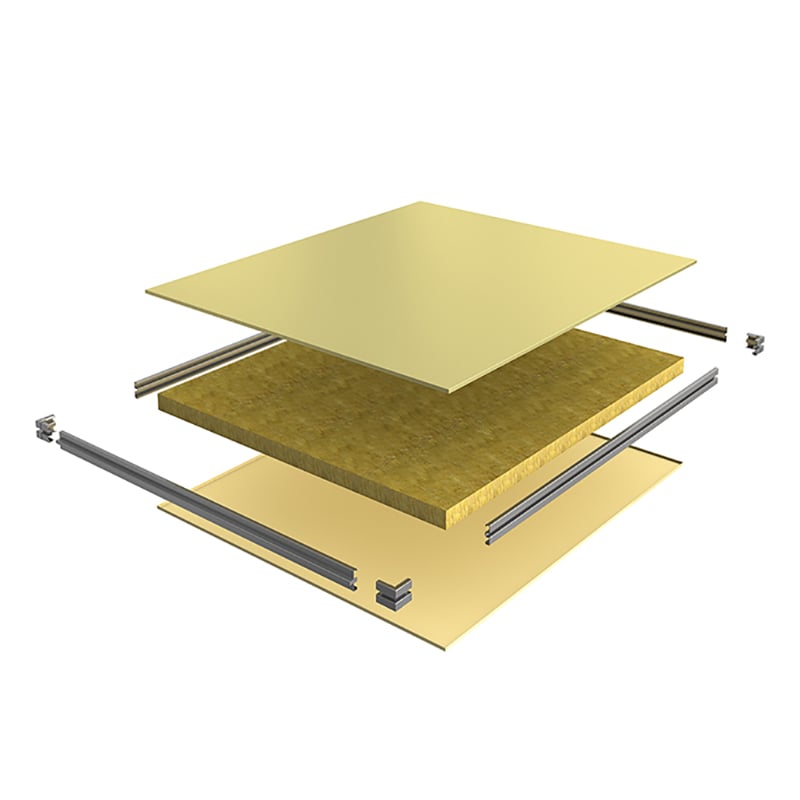
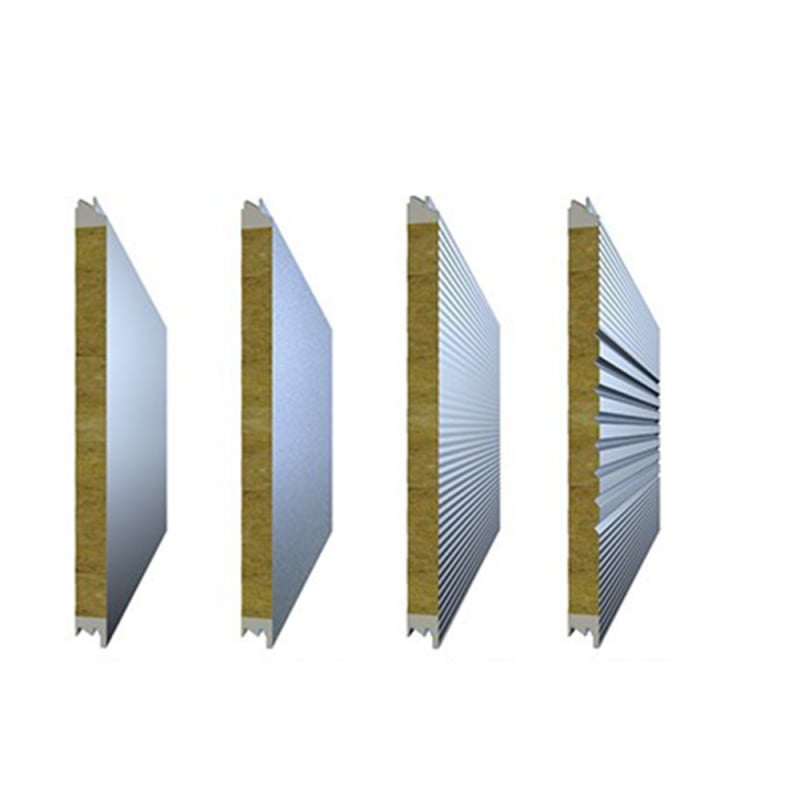
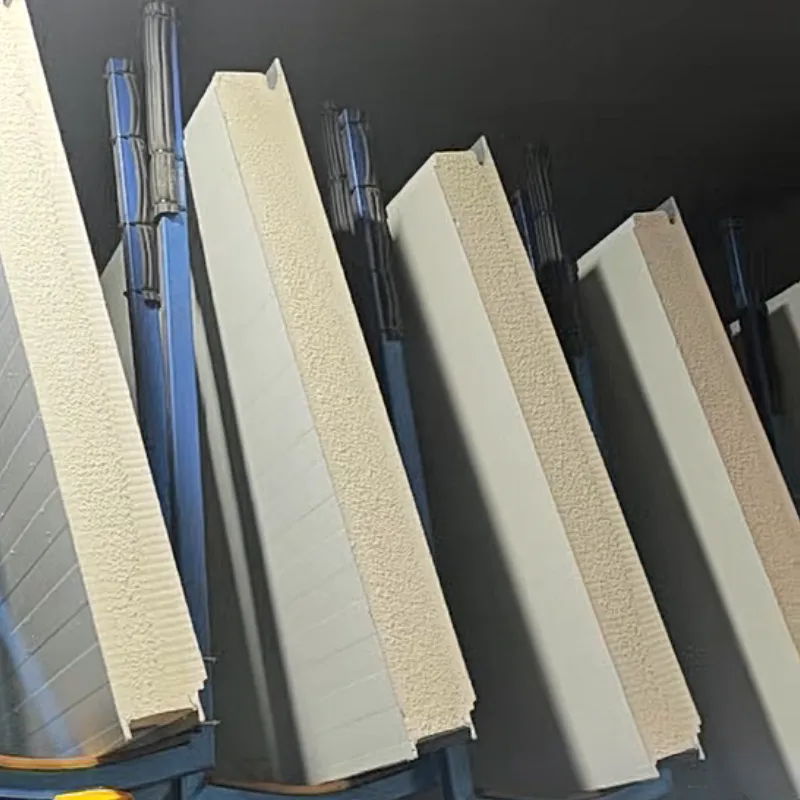
ตัดแผงห้องสะอาดแบบขวางเพื่อดูหน้าตัด จะเห็นชั้นวัสดุที่แตกต่างกันสามชั้น ได้แก่ แผ่นเหล็กแบนสองแผ่นอยู่ด้านนอก บล็อกวัสดุแกนกลางอยู่ตรงกลาง และแถบโลหะรูปทรงพิเศษบางๆ ที่ล้อมรอบขอบทั้งสี่ด้านเพื่อยึดทุกส่วนเข้าด้วยกัน นี่คือโครงสร้างพื้นฐานของแผงห้องสะอาด แต่การอธิบายแผงห้องสะอาดว่าเป็น "แผ่นเหล็กสองแผ่นที่มีวัสดุบางอย่างอยู่ตรงกลาง" นั้นให้ประโยชน์น้อยมาก เปรียบเทียบได้กับการอธิบายยาเม็ดในอุตสาหกรรมเภสัชกรรมว่าเป็น "ผงที่ถูกอัดขึ้นรูป" วัสดุต่างๆ — ไม่ว่าจะเป็นสารเคลือบบนแผ่นเหล็ก องค์ประกอบของวัสดุแกนกลาง วิธีการปิดผนึกขอบแผง หรือกาวที่ใช้ยึดทุกองค์ประกอบเข้าด้วยกัน — ล้วนมีผลต่อประสิทธิภาพโดยรวมของแผงห้องสะอาดในการใช้งานจริง
เรื่องนี้มีความสำคัญเนื่องจาก แผงห้องสะอาด เข้าสู่สภาพแวดล้อมที่ผลที่ตามมาจากการล้มเหลวของวัสดุนั้นมีความรุนแรง สารเคลือบผิวที่เสื่อมคุณภาพภายใต้การฆ่าเชื้อซ้ำๆ จะกลายเป็นแหล่งของการปนเปื้อน วัสดุแกนกลางที่หลุดร่วงเป็นเส้นใยผ่านขอบที่ปิดผนึกไม่เพียงพอ จะไม่ผ่านข้อกำหนดการควบคุมการปนเปื้อนในอุตสาหกรรมยาและอาหาร กาวที่สูญเสียความแข็งแรงในการยึดติดหลังจากผ่านการเปลี่ยนแปลงอุณหภูมิซ้ำๆ เป็นเวลานาน จะทำให้เกิดการแยกชั้น ซึ่งส่งผลต่อทั้งความมั่นคงของโครงสร้างและความสามารถในการกันอากาศ
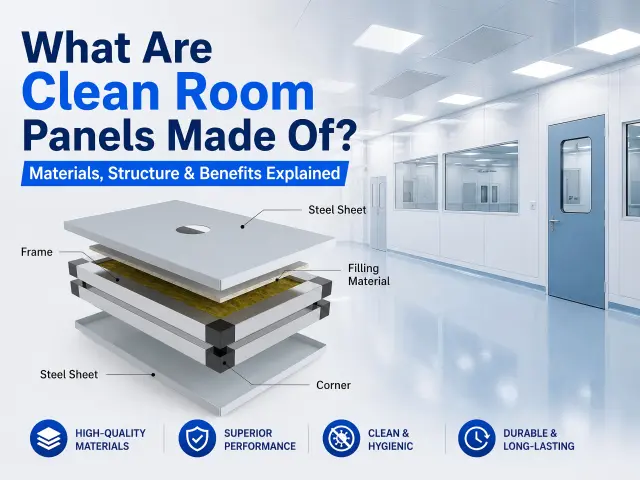
บทความนี้วิเคราะห์องค์ประกอบแต่ละส่วนของแผงห้องสะอาดอย่างละเอียด ได้แก่ วัสดุที่ใช้ผลิต ทางเลือกอื่นที่มี สาเหตุที่การเลือกแต่ละแบบมีความสำคัญ และวิธีที่องค์ประกอบต่างๆ มีปฏิสัมพันธ์กันภายในระบบแผงห้องสะอาดแบบครบวงจร
แผงห้องสะอาดเป็นวัสดุคอมโพสิตแบบแซนด์วิช ประกอบด้วยผิวด้านนอกที่แข็งแรงยึดติดกับแกนกลางที่มีความหนาแน่นสูง โดยขอบทั้งหมดถูกปิดผนึกอย่างสมบูรณ์ คำว่า "แซนด์วิช" นี้หมายถึงลักษณะเชิงโครงสร้าง ซึ่งแผ่นด้านนอกและแกนกลางทำหน้าที่ร่วมกันเป็นองค์ประกอบคอมโพสิตเดียวกัน โดยแผ่นเหล็กด้านนอกรับแรงดึงและแรงอัด ส่วนแกนกลางทำหน้าที่ต้านแรงเฉือนและเว้นระยะห่างระหว่างแผ่นด้านนอกทั้งสองด้าน การทำงานร่วมกันในลักษณะนี้เองที่ทำให้แผงบางๆ มีความแข็งแกร่งและสามารถรับน้ำหนักได้
ส่วนประกอบทั้งห้าชิ้นนี้แต่ละชิ้นมีทางเลือกวัสดุที่ส่งผลต่อประสิทธิภาพ ความทนทาน และความเหมาะสมในการใช้งานเฉพาะด้าน หัวข้อต่อไปนี้จะอธิบายแต่ละส่วนอย่างละเอียด
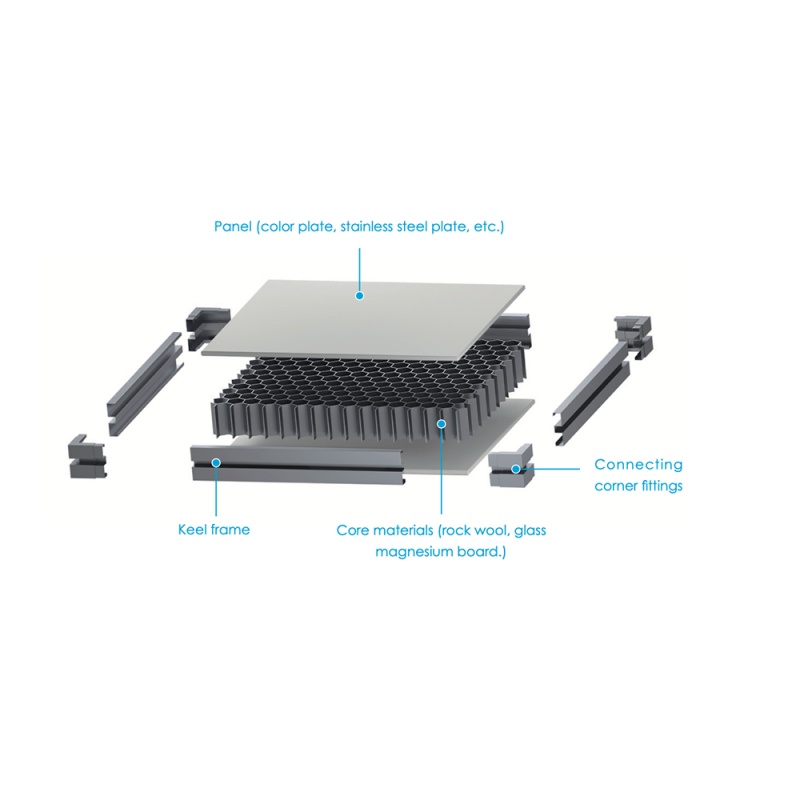
แผ่นผิวด้านนอกสองแผ่น — ซึ่งในอุตสาหกรรมแผ่นผนังเรียกว่า "เปลือก (skins)" — ทำหน้าที่พร้อมกันสามประการ ได้แก่ ให้ความแข็งแรงเชิงดึงและเชิงกดเพื่อให้แผ่นสามารถวางข้ามระหว่างจุดรองรับได้ ทำหน้าที่เป็นชั้นกันไอน้ำเพื่อป้องกันไม่ให้ความชื้นเข้าสู่ส่วนแกนกลาง และเป็นพื้นผิวที่บุคลากรสัมผัสและสารทำความสะอาดสัมผัส ในห้องสะอาด (cleanroom) หน้าที่สุดท้ายนี้คือสิ่งที่กำหนดความพยายามในการระบุข้อกำหนดมากที่สุด
วัสดุพื้นฐานสำหรับผิวแผงห้องสะอาดส่วนใหญ่คือเหล็กกล้ารีดเย็นแบบชุบสังกะสี — ซึ่งเป็นแถบเหล็กที่ผ่านกระบวนการรีดให้มีความหนาแน่นตามมาตรฐานที่กำหนด แล้วจึงเคลือบด้วยสังกะสีบางๆ (การชุบสังกะสี) เพื่อป้องกันการกัดกร่อน ก่อนจะนำระบบสีตกแต่งและป้องกันมาเคลือบต่อ
น้ำหนักของการชุบสังกะสีระบุเป็นกรัมต่อตารางเมตร (g/m²) ของชั้นสังกะสี โดยทั่วไปจะระบุเป็น Z275 (สังกะสีรวม 275 g/m² ทั้งสองด้าน) หรือรหัสที่เทียบเท่าในตลาดต่างๆ สำหรับการใช้งานแผงห้องสะอาดภายในอาคารทั่วไป Z275 ให้ความสามารถในการต้านทานการกัดกร่อนได้เพียงพอ อย่างไรก็ตาม สำหรับแผงที่ต้องสัมผัสกับสภาพแวดล้อมภายนอก บริเวณชายฝั่งทะเลที่อยู่ห่างจากทะเลไม่เกินหลายกิโลเมตร หรือสภาพแวดล้อมภายในที่มีความชื้นสูง การใช้ชั้นสังกะสีที่หนาขึ้น หรือวัสดุพื้นฐานแบบ Galvalume (โลหะผสมอะลูมิเนียม–สังกะสี 55% โดยทั่วไปคือ AZ150) จะให้การป้องกันการกัดกร่อนที่เหนือกว่าอย่างมาก
ความหนาของผิวแผงเป็นพารามิเตอร์สำคัญอีกประการหนึ่ง ข้อกำหนดที่พบบ่อยที่สุดสำหรับผิวแผงห้องสะอาดคือ 0.5 มม ทั้งสองด้าน แผ่นเปลือกที่บางกว่า (0.4 มม.) ช่วยลดต้นทุนและน้ำหนัก แต่ส่งผลให้ความสามารถในการรับแรงกระแทกลดลง และความแข็งแกร่งของพื้นผิวลดลง — ทำให้เกิดลักษณะคลื่นบนพื้นผิวเห็นได้ชัดขึ้นเมื่อมีแสงส่องเฉียง และแผ่นนั้นมีแนวโน้มบุบหรือเป็นรอยเว้าจากแรงกระแทกขณะใช้งานมากขึ้น แผ่นเปลือกที่หนากว่า (0.6–0.8 มม.) ถูกกำหนดใช้ในบริเวณที่มีโอกาสเกิดแรงกระแทกสูง เช่น ผนังทางเดินที่มีการเคลื่อนย้ายอุปกรณ์เป็นประจำ บริเวณรอบประตู และแผ่นที่อยู่ติดกับพื้นที่ขนถ่ายสินค้า
| ความหนาของแผ่นผิว | การใช้ทั่วไป | หมายเหตุ |
|---|---|---|
| 0.4 มม. | ห้องสะอาดแบบประหยัด แผ่นฝ้าเพดาน | มีความสามารถในการรับแรงกระแทกต่ำ ไม่แนะนำให้ใช้กับผนังบริเวณที่มีการสัญจรหนาแน่น |
| 0.5 มม | ผนังห้องสะอาดมาตรฐาน สำหรับอุตสาหกรรมยา อาหาร และอุตสาหกรรมอิเล็กทรอนิกส์ | มาตรฐานอุตสาหกรรมสำหรับการใช้งานตามหลักเกณฑ์การผลิตที่ดี (GMP) ส่วนใหญ่ |
| 0.6 มม. | ทางเดินและโซนจัดการวัสดุ | มีความสามารถในการรับแรงกระแทกดีขึ้น ลดลักษณะคลื่นบนพื้นผิว |
| 0.8–1.0 มม. | ห้องสะอาดอุตสาหกรรมแบบหนัก บริเวณท่าเทียบสินค้า | ระบุไว้สำหรับบริเวณที่มีการใช้งานรถยกหรืออุปกรณ์หนักซึ่งอาจก่อให้เกิดความเสี่ยงจากแรงกระแทก |
ระบบสีที่เคลือบลงบนพื้นผิวเหล็กชุบสังกะสี คือสิ่งที่ผู้คนส่วนใหญ่เห็นและสัมผัสได้จริงในห้องสะอาด — และในสภาพแวดล้อมที่มีการควบคุมอย่างเข้มงวด นี่คือสิ่งที่สารทำความสะอาด สารฆ่าเชื้อ และผู้ตรวจสอบต้องสัมผัสเป็นระยะเวลานานตลอดอายุการใช้งานของสถานที่ การเลือกใช้สารเคลือบจึงถือเป็นหนึ่งในการตัดสินใจเกี่ยวกับวัสดุที่สำคัญที่สุดในการระบุข้อกำหนดของแผงห้องสะอาด
โพลีเอสเตอร์มาตรฐาน (PE) เป็นสารเคลือบที่ใช้กันอย่างแพร่หลายที่สุดสำหรับเหล็กเคลือบสีล่วงหน้าทั่วไป ซึ่งจะถูกนำไปเคลือบด้วยกระบวนการเคลือบแบบม้วน (coil coating) โดยแถบเหล็กจะผ่านสายการผลิตที่มีการเคลือบไพรเมอร์และสีชั้นบน แล้วจึงผ่านเตาอบแบบต่อเนื่องเพื่อให้แห้งสนิท ทำให้ได้ระบบสีที่สม่ำเสมอและควบคุมคุณภาพได้ที่โรงงาน ซึ่งมีต้นทุนต่ำกว่าทางเลือกคุณภาพสูงอื่นๆ
สารเคลือบ PE ให้ประสิทธิภาพที่ดีในสภาพแวดล้อมที่มีการใช้สารทำความสะอาดชนิดอ่อนๆ โดยใช้ความถี่ปานกลาง อย่างไรก็ตาม สารเคลือบชนิดนี้ไม่เหมาะสำหรับกระบวนการฆ่าเชื้อที่รุนแรง โดยเฉพาะอย่างยิ่งวิธีที่ใช้สารออกซิไดซ์ เช่น ไอน้ำไฮโดรเจนเปอร์ออกไซด์ (VHP) สารฟอกขาวเข้มข้นสูง (โซเดียมไฮโปคลอไรต์ >1%) หรือกรดเปอร์อะเซติก เมื่อสัมผัสกับสารเหล่านี้ซ้ำๆ สารเคลือบ PE อาจเกิดการเปลี่ยนเป็นผงฝุ่น (chalking) ปรากฏรูพรุนจุลภาค และหลุดลอกออกจากพื้นผิวฐาน ส่งผลให้การทำความสะอาดมีประสิทธิภาพลดลงเรื่อยๆ ในห้องสะอาดระดับ B หรือ C ตามมาตรฐานอุตสาหกรรมยา ซึ่งมีการใช้ VHP ในการกำจัดเชื้อจุลินทรีย์เป็นประจำ สารเคลือบ PE มักแสดงอาการเสื่อมสภาพที่มองเห็นได้ภายในระยะเวลา 5–8 ปี
PVDF เป็นสารเคลือบที่ใช้เป็นมาตรฐานสำหรับสภาพแวดล้อมห้องสะอาดที่มีการควบคุมอย่างเข้มงวด องค์ประกอบทางเคมีของ PVDF ประกอบด้วยโครงสร้างหลักแบบฟลูโอโรพอลิเมอร์ที่มีพันธะคาร์บอน-ฟลูออรีนที่แข็งแรง ซึ่งสามารถต้านทานการเสื่อมสภาพจากแสง UV และการกัดกร่อนจากสารเคมีได้ดีกว่าสารเคลือบที่มีฐานเป็นไฮโดรคาร์บอน เช่น โพลีเอสเตอร์ ระบบ PVDF ชั้นนำ เช่น Kynar 500® ซึ่งเป็นที่อ้างอิงมากที่สุดในข้อกำหนดด้านอุตสาหกรรมยาและอาหาร มีการประเมินว่าสามารถใช้งานภายนอกได้นานกว่า 20 ปี แม้ในสภาพแวดล้อมที่มีความเข้มของรังสี UV สูง ในแอปพลิเคชันห้องสะอาดภายในอาคาร (ไม่มีแสง UV) คุณสมบัติที่สำคัญคือความต้านทานต่อสารเคมี ซึ่ง PVDF แสดงประสิทธิภาพเหนือกว่าสารเคลือบ PE อย่างต่อเนื่องภายใต้โปรโตคอลการฆ่าเชื้อในอุตสาหกรรมยาตลอดอายุการใช้งานของสถาน facility ที่ยาวนาน 20–30 ปี
PVDF ถูกนำมาใช้ในกระบวนการเคลือบขดลวดแบบเดียวกับ PE แต่ใช้ระบบการเคลือบสองชั้นพิเศษ ได้แก่ ชั้นรองพื้นที่ยับยั้งการกัดกร่อน (มักเป็นเรซินประเภทอีพอกซี) และชั้นเคลือบด้านบนจาก PVDF ความหนาของฟิล์มแห้งรวมโดยทั่วไปอยู่ที่ 25–30 ไมโครเมตร สำหรับการใช้งานในห้องสะอาด ต้นทุนเพิ่มเติมเมื่อเทียบกับการเคลือบ PE มาตรฐานอยู่ที่ประมาณ 15–20% ของราคาแผ่นสำเร็จรูป ซึ่งถือว่าน้อยมากเมื่อคำนวณย้อนกลับตลอดอายุการใช้งานของอาคาร 25 ปี แต่ถือวามีน้ำหนักมากเมื่อพิจารณาเฉพาะในงบประมาณโครงการ
HDP มีสมรรถนะและต้นทุนอยู่ระหว่าง PE มาตรฐานกับ PVDF โดยสูตรโพลีเอสเตอร์ที่ผ่านการปรับปรุงด้วยสารเติมแต่งซิลิคอนให้ความต้านทานต่อรังสี UV ดีขึ้น และมีความทนทานต่อสารเคมีดีขึ้นเล็กน้อยเมื่อเทียบกับ PE มาตรฐาน แต่ยังไม่สามารถเทียบเคียงสมรรถนะของ PVDF ภายใต้สารฆ่าเชื้อออกซิไดซ์ที่รุนแรงได้ HDP จึงเป็นข้อกำหนดที่เหมาะสมสำหรับพื้นที่ยาเกรด D ที่ใช้สารทำความสะอาดระดับปานกลาง และสำหรับสภาพแวดล้อมการแปรรูปอาหารที่ไม่มีการใช้สารฟอกขาวเกิน 500 ppm หรือสารออกซิไดซ์อื่นๆ
การเคลือบด้วยอีพอกซีมีความต้านทานสารเคมีและมีความแข็งแรงดี แต่มีเสถียรภาพต่อรังสี UV ต่ำ — จึงเกิดการขุ่นหรือเป็นผงอย่างรวดเร็วเมื่อสัมผัสกับแสงแดดโดยตรง สำหรับการใช้งานในห้องสะอาดภายในอาคารที่ไม่มีการสัมผัสกับรังสี UV อีพอกซีอาจเป็นทางเลือกที่คุ้มค่าทางต้นทุน โดยเฉพาะเมื่อความต้านทานตัวทำละลายเป็นปัจจัยหลัก บางการใช้งานเฉพาะด้านในห้องสะอาด (เช่น พื้นที่ผลิตชิ้นส่วนเซมิคอนดักเตอร์ที่ใช้ตัวทำละลายอินทรีย์บางชนิด) กำหนดให้ใช้การเคลือบอีพอกซีโดยเฉพาะเนื่องจากคุณสมบัติในการต้านทานตัวทำละลายได้ดี อย่างไรก็ตาม สำหรับการใช้งานทั่วไปในอุตสาหกรรมยาและอาหาร วัสดุ PVDF จะได้รับความนิยมมากกว่าอีพอกซี เนื่องจาก PVDF มีความสามารถในการรักษาลักษณะภายนอกและความยืดหยุ่นที่เหนือกว่าในระยะยาว
| การเคลือบผิว | ความทนทานต่อสารเคมี | VHP / ออกซิไดซ์ | ความต้านทานต่อรังสี UV | อายุการใช้งาน (ภายในอาคาร) |
|---|---|---|---|---|
| PVDF | ยอดเยี่ยม | ยอดเยี่ยม | ยอดเยี่ยม | 25+ ปี |
| HDP | ดี | ปานกลาง | ดี | 15–20 ปี |
| อีโปซี | ดี | ปานกลาง | ต่ำ (ใช้ได้เฉพาะภายในอาคาร) | 10–15 ปี (ภายในอาคาร) |
| PE มาตรฐาน | ปานกลาง | คนจน | ปานกลาง | 8–12 ปี |
แกนกลางคือวัสดุที่อยู่ระหว่างแผ่นเหล็กสองชั้น ซึ่งเป็นส่วนประกอบที่ให้ฉนวนความร้อน ช่วยเพิ่มประสิทธิภาพด้านเสียง กำหนดระดับการต้านไฟ และสำหรับการใช้งานในห้องสะอาด (cleanroom) ต้องปิดล้อมอย่างสมบูรณ์ เพื่อไม่ให้อนุภาคใดๆ จากแกนกลางนี้หลุดเข้าสู่สภาพแวดล้อมที่ควบคุมได้ มีแกนกลางหลักห้าประเภทที่ใช้ในแผงห้องสะอาด โดยแต่ละประเภทเหมาะกับการใช้งานที่แตกต่างกัน
หินใย (Rock wool) ผลิตโดยการหลอมหินบะซอลต์ (และมักใช้สแล็กที่นำกลับมาใช้ใหม่จากกระบวนการผลิตเหล็ก) ที่อุณหภูมิสูงกว่า 1,500 องศาเซลเซียส จากนั้นหมุนวัสดุที่หลอมละลายแล้วให้เป็นเส้นใยละเอียดด้วยกระบวนการที่คล้ายกับการผลิตขนมฝ้าย (candy floss) เส้นใยเหล่านี้จะถูกเก็บรวบรวม ผ่านกระบวนการยึดติดด้วยเรซินชนิดฟีโนลิก และอัดขึ้นรูปเป็นแผ่นแข็งที่มีความหนาแน่นตามที่ควบคุมไว้ วัสดุที่ได้มีส่วนประกอบหลักเป็นอนินทรีย์ คือเส้นใยแร่ประมาณร้อยละ 97–98 จึงไม่ติดไฟ
หินใย — คุณสมบัติสำคัญ
สำหรับแผงห้องสะอาด ไม่ใช่ว่าใยหินทุกชนิดจะเทียบเท่ากัน ความหนาแน่นมีผลอย่างมาก: ความหนาแน่น 100–120 กิโลกรัม/ลูกบาศก์เมตร เป็นข้อกำหนดมาตรฐานสำหรับห้องสะอาดตามหลักเกณฑ์การปฏิบัติที่ดีในการผลิตยา (GMP) ซึ่งให้พื้นผิวที่เหมาะสมสำหรับการยึดติดด้วยกาว มีคุณสมบัติด้านเสียงที่ยอมรับได้ และมีความคงตัวของขนาดในระยะยาว ใยหินที่มีความหนาแน่นต่ำกว่า (60–80 กิโลกรัม/ลูกบาศก์เมตร ซึ่งใช้ในแผงแซนด์วิชอุตสาหกรรมทั่วไป) อาจยุบตัวลงตามเวลาและก่อให้เกิดช่องว่างระหว่างแกนกลางกับแผ่นปิดผิว นอกจากนี้ ทิศทางของเส้นใยยังมีความสำคัญอีกด้วย ใยหินแบบเลเยอร์ (lamella-oriented rock wool) ซึ่งมีเส้นใยเรียงตัวตั้งฉากกับผิวหน้าของแผง แทนที่จะขนานกับผิวหน้า จะให้กำลังยึดเกาะที่ผิวสัมผัสกับแผ่นปิดผิวสูงกว่าอย่างมาก
แผ่นอะลูมิเนียมแบบรังผึ้งเป็นวัสดุแกนโครงสร้างที่ผลิตจากฟอยล์อะลูมิเนียมบางๆ ซึ่งถูกขยายให้เป็นรูปแบบเซลล์หกเหลี่ยม — ใช้หลักการเรขาคณิตเดียวกันกับรังผึ้ง ขนาดเส้นผ่านศูนย์กลางของเซลล์โดยทั่วไปอยู่ระหว่าง 6–12 มิลลิเมตร แผ่นรังผึ้งจะถูกยึดติดระหว่างแผ่นเหล็กสองชั้นด้วยกาวเชิงโครงสร้าง โดยการรวมประสิทธิภาพของเซลล์อะลูมิเนียมบางๆ ที่รับแรงอัด ร่วมกับแผ่นเหล็กที่รับแรงดึงและแรงอัด ทำให้ได้แผ่นวัสดุที่มีความแข็งแกร่งสูงมากเมื่อเทียบกับน้ำหนัก
อะลูมิเนียมแบบรังผึ้ง — คุณสมบัติสำคัญ
แผ่นโครงสร้างรังผึ้งอะลูมิเนียมไม่ให้คุณสมบัติการกันความร้อนที่มีน้ำหนักหมายอย่างแท้จริง — ค่าความต้านทานความร้อนต่อความหนา 1 มิลลิเมตรของวัสดุชนิดนี้ต่ำกว่าแผ่นแกนโฟมทุกชนิดอย่างมาก อย่างไรก็ตาม สำหรับแผ่นฝ้าเพดานห้องสะอาด (cleanroom) การกันความร้อนไม่ใช่ข้อกำหนดหลัก แต่สิ่งที่จำเป็นคือแผ่นวัสดุที่มีน้ำหนักเบา แข็งแรง และไม่ติดไฟ ซึ่งสามารถรองรับน้ำหนักบุคลากรที่ปฏิบัติงานบนแผ่นฝ้าเพดานได้อย่างปลอดภัยขณะเปลี่ยนไส้กรองระบบปรับอากาศ (HVAC) หรือบำรุงรักษาอุปกรณ์แสงสว่าง แผ่นโครงสร้างรังผึ้งอะลูมิเนียมที่มีความหนา 50 มิลลิเมตร โดยทั่วไปสามารถรับน้ำหนักแบบจุดได้ 150–200 กิโลกรัมต่อตารางเมตร โดยมีการโก่งตัวในระดับที่ยอมรับได้ — ซึ่งเพียงพอสำหรับการเข้าถึงเพื่อการบำรุงรักษาในระบบฝ้าเพดานของโรงงานผลิตยาและโรงงานแปรรูปอาหารส่วนใหญ่
โฟมโพลียูรีเทนเกิดจากการผสมสารเคมีสองชนิดที่อยู่ในสถานะของเหลวและทำปฏิกิริยากัน — ได้แก่ โพลีออลกับไอโซไซยาเนต — ซึ่งทำปฏิกิริยากันแบบคายความร้อนและขยายตัวออก จนเติมพื้นที่ระหว่างแผ่นเหล็กสองแผ่นอย่างต่อเนื่องในกระบวนการลามิเนตแบบต่อเนื่อง เมื่อโฟมขยายตัว จะยึดติดโดยตรงกับผิวด้านทั้งสองข้างอย่างสมบูรณ์ โดยไม่จำเป็นต้องใช้กาวเพิ่มเติม ผลลัพธ์ที่ได้คือโครงสร้างโฟมแบบเซลล์ปิดที่มีเซลล์เล็กมากและสม่ำเสมอ — และโครงสร้างเซลล์ที่ละเอียดนี้เอง ซึ่งสามารถกักเก็บโมเลกุลของก๊าซได้อย่างมีประสิทธิภาพ จึงเป็นสาเหตุที่ทำให้โฟม PU มีคุณสมบัติในการฉนวนความร้อนได้ดีเยี่ยม
โฟม PU — คุณสมบัติหลัก
โฟมพีไออาร์ (polyisocyanurate) คือเวอร์ชันที่ผ่านการดัดแปลงทางเคมีของโพลียูรีเทน (PU) ซึ่งมีปริมาณไอโซไซยาเนตสูงกว่าในส่วนผสมที่ใช้ในการทำปฏิกิริยา ทำให้ได้โฟมที่มีความเสถียรทางความร้อนมากขึ้น และมีพฤติกรรมการติดไฟดีขึ้นเล็กน้อย (ได้ระดับ B2 ภายใต้เงื่อนไขที่หลากหลายกว่า) รวมทั้งมีค่าแลมบ์ดาต่ำลงเล็กน้อย (0.022–0.024 วัตต์/เมตร·เคลวิน) เมื่อเปรียบเทียบกับโพลียูรีเทนมาตรฐาน ปัจจุบันโฟมพีไออาร์กำลังกลายเป็นวัสดุที่นิยมใช้มากกว่าโพลียูรีเทนมาตรฐานสำหรับแผงหลังคาและงานประยุกต์อื่นๆ ที่ต้องคำนึงถึงทั้งประสิทธิภาพด้านความร้อนและพฤติกรรมการติดไฟ — อย่างไรก็ตาม เช่นเดียวกับโพลียูรีเทน พีไออาร์ยังคงจัดเป็นวัสดุที่ติดไฟได้ และไม่สามารถผ่านเกณฑ์วัสดุไม่ติดไฟระดับ A1 ได้
รังผึ้งกระดาษใช้รูปทรงเซลล์หกเหลี่ยมแบบเดียวกับรังผึ้งอะลูมิเนียม แต่เปลี่ยนแผ่นอะลูมิเนียมเป็นกระดาษคราฟท์ที่เคลือบเรซินฟีโนลิกแทน วัสดุชนิดนี้มีน้ำหนักเบากว่าอะลูมิเนียมและมีราคาถูกกว่ามาก แต่มีความแข็งแกร่งน้อยกว่า ทนความชื้นได้น้อยกว่า และติดไฟได้ (อยู่ในระดับการติดไฟ Class B หรือ C) แผงรังผึ้งกระดาษใช้ในงานเพดานและผนังห้องสะอาดระดับประหยัด — สำหรับห้องสะอาดทั่วไปในโรงงานอุตสาหกรรมหรือศูนย์วิจัยที่มีมาตรฐาน ISO 7–9 ซึ่งข้อกำหนดด้านความปลอดภัยจากอัคคีภัยไม่เข้มงวดมากนัก และงบประมาณเป็นปัจจัยหลักในการพิจารณา อย่างไรก็ตาม แผงชนิดนี้ไม่เหมาะสมสำหรับใช้ในสิ่งแวดล้อมการผลิตยาตามหลักเกณฑ์ GMP หรือในโรงงานแปรรูปอาหารที่มีการสัมผัสกับน้ำเป็นประจำ
EPS ผลิตโดยการขยายเม็ดพอลิสไตรีนด้วยไอน้ำ จากนั้นหลอมรวมให้เป็นก้อนและตัดให้ได้ขนาดที่ต้องการ เป็นวัสดุโฟมแกนกลางที่มีต้นทุนต่ำที่สุด และมีคุณสมบัติด้านความร้อนเรียบง่ายที่สุด — ค่าแลมบ์ดา (0.036–0.040 วัตต์/เมตร·เคลวิน) เทียบเท่ากับฉนวนใยหิน แต่ไม่มีข้อได้เปรียบด้านประสิทธิภาพการทนไฟเหมือนฉนวนใยหิน แผ่น EPS ใช้ในงานอุตสาหกรรมทั่วไประดับประหยัด เช่น พื้นที่สะอาดพื้นฐาน อาคารเกษตรกรรม และระบบผนังกั้นสำนักงาน วัสดุชนิดนี้ติดไฟได้ มีขีดจำกัดอุณหภูมิในการใช้งานประมาณ 75–80°ซ จึงไม่เหมาะสำหรับแผ่นหลังคาภายนอกในภูมิอากาศร้อนจัด และไม่แนะนำให้ใช้ในสิ่งแวดล้อมด้านเภสัชกรรม อาหาร หรือโรงพยาบาล
| แกน | ทำจาก | ระดับความต้านทานการลุกลามของเปลวไฟ | ความร้อน | น้ำหนัก | การใช้หลัก |
|---|---|---|---|---|---|
| หนังหิน | หินบาซอลต์ + สลากรีไซเคิล ที่ถูกดึงเป็นเส้นใย | คำตอบที่ 1 | ปานกลาง | หนัก | ผนังสำหรับโรงงานผลิตยาตามมาตรฐาน GMP โรงพยาบาล และอุตสาหกรรมอาหาร |
| โครงสร้างรังผึ้งอะลูมิเนียม | ฟอยล์อะลูมิเนียม โครงสร้างเซลล์รูปหกเหลี่ยม | คำตอบที่ 1 | ต่ำ (เชิงโครงสร้าง) | เบามากๆ | แผ่นเพดานห้องสะอาด |
| โฟม PIR | โพลีไอโซไซยาเนอเรต โฟมแบบเซลล์ปิด | B2 | ยอดเยี่ยม | แสง | แผ่นหลังคา ภูมิอากาศร้อน ห้องเย็น |
| ผงพู | โพลียูรีเทน โฟมแบบเซลล์ปิด | B2 | ยอดเยี่ยม | แสง | คลังเก็บสินค้าเย็น ห่วงโซ่ความเย็นสำหรับอาหาร |
| กระดาษรูปทรงรังผึ้ง | กระดาษคราฟท์ สารเรซินฟีโนลิก | B–C | ต่ำ | แสง | เพดานห้องสะอาดแบบประหยัดและผนังกั้น |
| EPS | เม็ดโฟมโพลีสไตรีนแบบขยายตัว | B2/B3 | ปานกลาง | เบามากๆ | อุตสาหกรรมทั่วไป โครงสร้างแบบประหยัด |
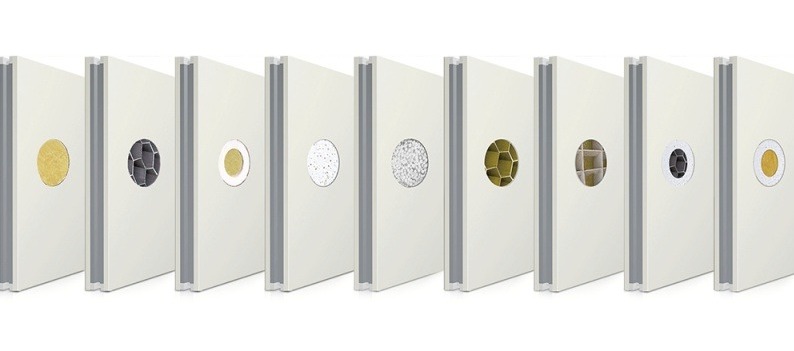
นี่คือคุณสมบัติเดียวที่ทำให้แผ่นห้องสะอาดแตกต่างจากแผ่นแซนด์วิชอุตสาหกรรมทั่วไปอย่างชัดเจนที่สุด — และยังเป็นรายละเอียดที่มักถูกมองข้ามได้ง่ายที่สุดเมื่อเปรียบเทียบรูปภาพหรือข้อมูลจำเพาะของผลิตภัณฑ์โดยไม่ได้สัมผัสผลิตภัณฑ์จริง
แผ่นแซนด์วิชอุตสาหกรรมทั่วไป (เช่น สำหรับหุ้มคลังสินค้าหรือห้องเย็น) จะถูกตัดให้ได้ความยาวที่ต้องการบนสายการผลิตแบบต่อเนื่อง จึงเหลือขอบที่ถูกตัดไว้เปิดโล่ง หรือมีการป้องกันเพียงเล็กน้อยเท่านั้น ทำให้วัสดุแกนกลางสามารถเข้าถึงได้ที่ขอบแผ่น ซึ่งสำหรับคลังสินค้าแล้วไม่มีผลต่อการใช้งาน แต่สำหรับห้องสะอาดนั้นหมายความว่า วัสดุแกนกลาง — ไม่ว่าจะเป็นเส้นใยหิน หรือเม็ดโฟม EPS หรืออนุภาคโฟม — จะสัมผัสโดยตรงกับพื้นที่ภายในห้อง และปล่อยอนุภาคเข้าสู่สภาพแวดล้อมที่ควบคุมอย่างต่อเนื่อง
แผงห้องสะอาดมีขอบทั้งสี่ด้านถูกหุ้มด้วยชิ้นส่วนโลหะรูปแบบพิเศษที่ทำจากเหล็กหรืออลูมิเนียม ซึ่งออกแบบมาเพื่อครอบคลุมแกนกลางของแผงอย่างสมบูรณ์ ชิ้นส่วนโลหะเหล่านี้จะถูกย้ำหรือพับแน่นรอบขอบแผงแล้วติดยึดด้วยกาว ผลลัพธ์ที่ได้คือแผงที่ไม่มีส่วนของแกนกลางโผล่ออกมาให้เห็นทั้งบนพื้นผิวหรือขอบใดๆ ลองลากนิ้วไปตามขอบแผง — ควรรู้สึกเรียบลื่นเฉพาะผิวโลหะเท่านั้น โดยไม่สามารถสัมผัสหรือเข้าถึงส่วนของแกนกลางได้
วิธีตรวจสอบตัวอย่างสินค้า: เมื่อประเมินตัวอย่างแผงห้องสะอาดจากผู้จัดจำหน่ายที่อาจเป็นไปได้ ให้พลิกแผงให้ตั้งอยู่บนขอบของมันแล้วตรวจสอบทุกด้านทั้งสี่ด้าน ควรไม่เห็นวัสดุแกนกลางใดๆ ทั้งเส้นใยหิน โฟม หรือช่องว่างระหว่างช่องขอบกับผิวหน้าแผงเลย กดช่องขอบอย่างแน่นหนา: ควรรู้สึกมั่นคงและยึดติดกันอย่างดี ไม่หลวมหรือบิดเบี้ยวได้ง่าย แผงใดก็ตามที่สามารถเข้าถึงวัสดุแกนกลางผ่านขอบได้ ถือว่าไม่ใช่แผงห้องสะอาด ไม่ว่าเอกสารข้อมูลจำเพาะจะระบุไว้อย่างไร
ในแผงห้องสะอาดที่มีแกนกลางทำจากขนแร็ควูล โครงสร้างรังผึ้งอะลูมิเนียม หรือโครงสร้างรังผึ้งกระดาษ — ซึ่งไม่สามารถยึดติดกับแผ่นเหล็กภายนอกได้เองตามธรรมชาติเหมือนวัสดุโฟมที่ขยายตัวระหว่างกระบวนการผลิต — กาวจึงเป็นองค์ประกอบที่แยกต่างหากและมีความสำคัญอย่างยิ่ง กาวทำหน้าที่ถ่ายโอนแรงระหว่างแผ่นเหล็กภายนอกกับแกนกลาง และยังกำหนดว่าแผงจะคงความแข็งแรงเชิงโครงสร้างไว้ได้หรือไม่ตลอดอายุการใช้งานหลายสิบปี แม้ต้องเผชิญกับการเปลี่ยนแปลงอุณหภูมิซ้ำ ๆ การรับโหลดเชิงกล และการกระแทกเป็นครั้งคราว
กาวมาตรฐานสำหรับ แผงห้องสะอาดคุณภาพสูง เป็นระบบโพลีอูรีเทนสองส่วน (2C-PU) ซึ่งประกอบด้วยสองส่วนคือ โพลิออล และไอโซไซยาเนต ทั้งสองส่วนนี้มีองค์ประกอบทางเคมีเดียวกับโฟม PU แต่ถูกปรับสูตรให้ใช้เป็นกาวแทนการผลิตโฟม โดยจะผสมทั้งสองส่วนเข้าด้วยกันทันทีก่อนใช้งาน จากนั้นจึงนำไปเคลือบลงบนผิวแผ่นเหล็กและผิวของวัสดุแกนกลาง กาวจะแข็งตัวภายในระยะเวลา 12–24 ชั่วโมงภายใต้แรงกด ซึ่งจะเกิดพันธะยึดเกาะที่มีทั้งความแข็งแรงและความยืดหยุ่น — ความยืดหยุ่นมีความสำคัญ เนื่องจากเหล็กและหินแร่ใยแก้วมีสัมประสิทธิ์การขยายตัวจากความร้อนต่างกัน กาวจึงต้องสามารถรองรับการเคลื่อนที่แบบสัมพัทธ์นี้ได้โดยไม่แตกร้าวตลอดอายุการใช้งานหลายสิบปี
พารามิเตอร์สำคัญของระบบกาว
สำหรับแผงโฟม PU และ PIR ที่ผลิตด้วยสายการผลิตแบบต่อเนื่อง โฟมเองทำหน้าที่เป็นกาว โดยยึดติดกับแผ่นเหล็กเมื่อขยายตัวและบ่มตัว คุณภาพของการยึดติดขึ้นอยู่กับสูตรเคมีของโฟม ความเร็วของสายการผลิต โพรไฟล์อุณหภูมิ และการเตรียมพื้นผิวของแผ่นเหล็ก แผงที่ผลิตจากสายการผลิตแบบต่อเนื่องที่ออกแบบมาอย่างดีสามารถบรรลุคุณภาพการยึดติดที่ยอดเยี่ยมได้ ในขณะที่แผงจากสายการผลิตคุณภาพต่ำกว่าอาจมีช่องว่างบริเวณรอยต่อระหว่างแผ่นเหล็กกับโฟมซึ่งมองไม่เห็นจากภายนอก แต่ส่งผลให้ประสิทธิภาพเชิงโครงสร้างลดลง
หลังจากที่แผงแต่ละแผ่นถูกผลิตเสร็จแล้ว จะต้องมีการต่อเชื่อมเข้าด้วยกัน รวมทั้งต่อเชื่อมกับพื้นและเพดานอย่างเหมาะสม เพื่อรักษาคุณสมบัติการปิดผนึกแบบไม่รั่วของอากาศ (airtightness) และการควบคุมสิ่งปนเปื้อนภายในระบบห้องโดยรวม วัสดุที่ใช้สำหรับการต่อเชื่อมเหล่านี้มีความสำคัญไม่แพ้วัสดุที่ใช้ทำแผงเอง
การต่อเชื่อมแบบมาตรฐานสำหรับห้องสะอาดในอุตสาหกรรมยาและอาหารคือ ตัวเชื่อมต่อแบบฝังภายใน ซึ่งเป็นชิ้นส่วนโลหะรูปแบบพิเศษที่ทำจากเหล็กหรืออลูมิเนียมแบบอัดขึ้นรูป โดยออกแบบให้พาดข้ามบริเวณรอยต่อระหว่างแผงสองแผ่นที่อยู่ติดกัน ตัวเชื่อมต่อจะติดตั้งอยู่ภายในช่องว่างของรอยต่อ จึงไม่ปรากฏให้เห็นจากด้านในของห้อง รูปแบบที่นิยมใช้ในตลาดจีนและตลาดนานาชาติ ได้แก่ ตัวเชื่อมต่อแบบรูปตัวกากบาท (เรียกกันทั่วไปในอุตสาหกรรมจีนว่า “รูปตัวจง”) และแบบรูปตัวที วัสดุที่ใช้มักเป็นเหล็กชุบสังกะสีหรือเหล็กกล้าไร้สนิมเพื่อความแข็งแรง ส่วนอลูมิเนียมใช้ในงานที่ต้องการน้ำหนักเบาหรือในกรณีที่ต้องคำนึงถึงปัญหาการกัดกร่อน
ช่องรูปตัวยูที่ติดตั้งบริเวณพื้นและเพดานใช้สำหรับยึดฐานและส่วนบนของแผงผนัง ช่องเหล่านี้มักผลิตจากเหล็กชุบสังกะสีหรือเหล็กสแตนเลส โดยมีขนาดที่สอดคล้องกับความหนาของแผงผนัง สำหรับห้องสะอาดในอุตสาหกรรมยา ช่องที่ติดตั้งบริเวณพื้นจะถูกออกแบบให้สามารถทำขอบโค้ง (coved) ที่รอยต่อระหว่างพื้นกับแผงผนังได้โดยไม่เกิดชายเชิงหรือขั้นบันได ช่องที่ติดตั้งบริเวณพื้นควรยึดติดกับโครงสร้างพื้นด้วยกาวที่เหมาะสมหรือวิธียึดแบบกลไก ก่อนติดตั้งแผงผนัง และรอยต่อระหว่างช่องพื้นกับพื้นจะต้องปิดผนึกด้วยซิลิโคนเป็นส่วนหนึ่งของระบบการปิดผนึกอากาศของห้อง
มุมภายใน มุมภายนอก และข้อต่อแบบที (จุดที่ผนังกั้นมาบรรจบกับผนังรอบขอบอาคาร) แต่ละประเภทจำเป็นต้องใช้ชิ้นส่วนรูปทรงพิเศษที่ผลิตขึ้นเฉพาะ โดยทั่วไปแล้วจะเป็นโปรไฟล์อะลูมิเนียมที่ผ่านกระบวนการอัดรีด ซึ่งมีรูปร่างออกแบบให้สอดคล้องกับความหนาของแผ่นวัสดุเฉพาะและรูปทรงเรขาคณิตของมุมนั้นๆ สำหรับห้องสะอาดในอุตสาหกรรมยา มุมภายในจะรวมส่วนโค้งแบบโคฟ (cove radius) ที่บริเวณรอยต่อระหว่างพื้นกับผนัง และผนังกับเพดาน โดยมีรัศมีโดยทั่วไปอยู่ที่ 40–60 มม. เพื่อกำจัดมุมภายในแบบเหลี่ยมจัตุรัสซึ่งอาจกลายเป็นบริเวณที่ทำความสะอาดได้ยาก
ซิลิโคนชนิดยาแนว (silicone sealant) เป็นวัสดุขั้นตอนสุดท้ายที่ทำให้โครงสร้างห้องสะอาดสามารถปิดผนึกอากาศได้อย่างสมบูรณ์ ซิลิโคนนี้จะถูกนำมาใช้ที่ทุกข้อต่อของแผ่นวัสดุ ทุกจุดเปลี่ยนผ่านของมุม ทุกช่องเปิดที่เจาะผ่านผิวแผ่นวัสดุ รวมถึงทุกจุดต่อระหว่างระบบแผ่นวัสดุกับพื้นและเพดาน ซึ่งทำหน้าที่ทั้งการปิดผนึกอากาศและให้ผิวเรียบเนียนที่เหมาะสมด้านสุขอนามัยตามข้อกำหนดของห้องสะอาด ดังนั้น การเลือกสเปกซิลิโคนจึงมีความสำคัญอย่างยิ่ง
เหล็กชุบสังกะสีที่ผ่านการพ่นสีเป็นวัสดุหุ้มผิวที่ใช้กันอย่างแพร่หลายที่สุดสำหรับแผงห้องสะอาดทั่วโลก แต่มีวัสดุทางเลือกอื่นๆ หลายชนิดที่นำมาใช้ในแอปพลิเคชันเฉพาะที่คุณสมบัติของเหล็กไม่เพียงพอ หรือเมื่อมีความต้องการคุณสมบัติในการทำงานเฉพาะที่สำคัญเป็นพิเศษ
วัสดุหุ้มผิวจากสแตนเลสสามารถขจัดระบบสีออกทั้งหมด รวมถึงคำถามเกี่ยวกับความทนทานของการเคลือบผิวไปด้วย เกรด 304 มีความสามารถในการต้านการกัดกร่อนได้ดีเยี่ยมในสภาพแวดล้อมด้านเภสัชกรรมและอาหารส่วนใหญ่ ส่วนเกรด 316L มีโมลิบดีนัมผสมอยู่ในองค์ประกอบโลหะ ซึ่งช่วยเพิ่มความต้านทานต่อการกัดกร่อนแบบจุด (pitting) จากคลอไรด์ ทำให้เป็นตัวเลือกที่เหมาะสมสำหรับการติดตั้งในบริเวณชายฝั่ง โรงงานที่ใช้สารฆ่าเชื้อที่มีส่วนผสมของคลอรีนในความเข้มข้นสูง และพื้นที่ผลิตยาที่มีฤทธิ์รุนแรงหรือยาที่มีศักยภาพสูง (cytotoxic or high-potency pharmaceutical) ซึ่งพบเจอสภาพแวดล้อมทางเคมีที่รุนแรงที่สุด
พื้นผิวทั่วไปคือแบบ No. 4 (ขัดลาย) หรือแบบ 2B (รีดเย็นเรียบ) — พื้นผิวแบบขัดลายให้ความเรียบแต่ไม่สะท้อนแสง ซึ่งช่วยลดการเกิดแสงจ้าในพื้นที่งานเภสัชกรรมหรือห้องปฏิบัติการที่มีแสงสว่างจัด ส่วนแผ่นสแตนเลสจะมีราคาสูงกว่ามาก (สูงกว่าแผ่นเคลือบ PVDF ถึง 60–90%) แต่สามารถยกเลิกการทาสีและปรับปรุงพื้นผิวใหม่ได้ตลอดอายุการใช้งานของอาคาร
เปลือกนอก FRP ใช้ใยแก้วที่ถักเป็นผ้าเสริมแรงฝังอยู่ในเรซินเมทริกซ์แบบโพลีเอสเตอร์หรือไวนิลเอสเทอร์ วัสดุที่ได้มีน้ำหนักเบา ทนต่อสารเคมีได้ดีต่อสารทำความสะอาดและสารฆ่าเชื้อที่ใช้ในอุตสาหกรรมหลากหลายชนิด และมีพื้นผิวเรียบแบบเจลโค้ตที่สามารถทำความสะอาดได้ง่ายและสอดคล้องกับหลักสุขอนามัย FRP มักใช้ในห้องสะอาดสำหรับการแปรรูปอาหาร โดยเฉพาะบริเวณผนังที่ต้องรับการล้างด้วยน้ำร้อนภายใต้ความดันสูงเป็นประจำ — FRP ทนต่อการล้างแบบนี้ได้ดีกว่าเหล็กที่เคลือบสีเมื่อใช้งานซ้ำๆ หลายรอบ นอกจากนี้ยังใช้ในบางโรงงานแปรรูปสารเคมีและโรงงานผลิตชิ้นส่วนเซมิคอนดักเตอร์ที่ต้องการความเข้ากันได้กับตัวทำละลายเฉพาะบางชนิด แผ่น FRP ไม่สามารถผ่านมาตรฐานการจำแนกประเภทไฟไหม้ระดับ A1 ได้
HPL เป็นวัสดุตกแต่งผิวที่ผลิตจากชั้นกระดาษคราฟต์หลายชั้นที่อิ่มตัวด้วยเรซินฟีโนลิก พร้อมเคลือบด้วยชั้นตกแต่งด้านบนทั้งหมดถูกอัดแน่นภายใต้ความร้อนและแรงดันสูง ในแผงห้องสะอาด HPL จะถูกยึดติดกับพื้นผิวเหล็กเป็นวัสดุฝั่งภายใน มีคุณสมบัติทนรอยขีดข่วนได้ดีเยี่ยม มีให้เลือกหลากหลายสีและพื้นผิว (รวมถึงสูตรป้องกันไฟฟ้าสถิตย์) และมีความต้านทานสารเคมีในระดับที่เหมาะสม แผงที่ใช้ HPL เป็นวัสดุผิวมักใช้ในห้องสะอาดสำหรับอุตสาหกรรมอิเล็กทรอนิกส์และห้องปฏิบัติการ ซึ่งเน้นความทนทานต่อรอยขีดข่วนและความยืดหยุ่นด้านการออกแบบ อย่างไรก็ตาม HPL เป็นวัสดุที่ติดไฟได้ และไม่เหมาะสำหรับห้องสะอาดแบบ GMP ด้านเภสัชกรรมที่ต้องการมาตรฐาน A1
การแปลงตัวเลือกวัสดุข้างต้นให้เป็นข้อกำหนดเฉพาะสำหรับโครงการนั้น ขึ้นอยู่กับการจับคู่ความต้องการหลักของแต่ละการใช้งานเข้ากับคุณสมบัติของวัสดุที่สามารถตอบสนองความต้องการนั้นได้ นี่คือสรุปโดยย่อเพื่อการใช้งานจริง:
| การสมัคร | แกนผนัง | แกนเพดาน | ผิววัสดุ (ด้านใน) | ความหนาของแผ่นผิว |
|---|---|---|---|---|
| เภสัชกรรม GMP (เกรด B/C) | หินแร่ใย 100 มม. | อลูมิเนียมแบบรังผึ้ง 50 มม. | PVDF หรือ SS 304 | 0.5 มม |
| ห้องปฏิบัติการโรงพยาบาล | หินแร่ใย 100 มม. | อลูมิเนียมแบบรังผึ้ง 50 มม. | พีวีดีเอฟ สีขาว | 0.5 มม |
| การแปรรูปอาหาร (อุณหภูมิห้อง) | ขนหิน 75 มม. | อลูมิเนียมแบบรังผึ้ง / ขนแก้ว | PVDF หรือ FRP | 0.5–0.6 มม. |
| อุตสาหกรรมเซมิคอนดักเตอร์และอิเล็กทรอนิกส์ | หินแร่ใย (Rock wool) ความหนา 75–100 มม. | อลูมิเนียมแบบรังผึ้ง 50 มม. | พีวีดีเอฟ แบบป้องกันไฟฟ้าสถิตย์ / เฮฟวีเพรสเชอร์แลมิเนต / สแตนเลสสตีล | 0.5 มม |
| ห้องเย็น / คลังเก็บยาแบบควบคุมอุณหภูมิ | PU/PIR 150–200 มม. | พียู/พีไออาร์ ความหนา 100–150 มม. | PVDF หรือ PE | 0.5 มม |
| ห้องสะอาดสำหรับงานอุตสาหกรรมทั่วไป (มาตรฐาน ISO 7–9) | ขนแก้วหรือพียู ความหนา 50–75 มม. | กระดาษแบบรังผึ้ง / อะลูมิเนียมแบบรังผึ้ง | PVDF หรือ HDP PE | 0.4–0.5 มม. |
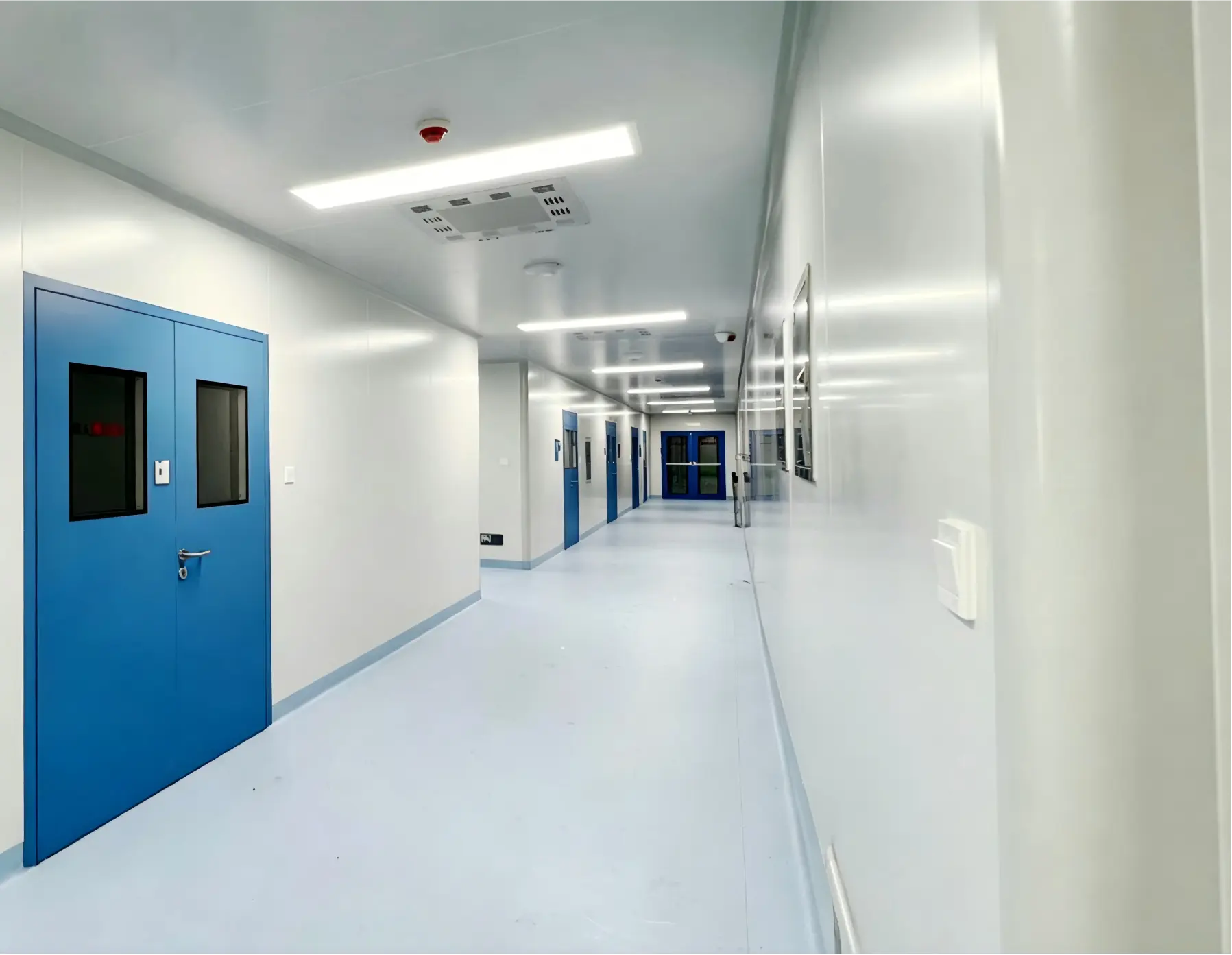
ในแผ่นห้องสะอาดที่ผลิตอย่างเหมาะสม แกนจะถูกหุ้มอย่างสมบูรณ์ — ไม่สามารถมองเห็นได้จากทุกมุม แผ่นเหล็กด้านหน้าและด้านหลังจะปกคลุมส่วนหน้าและหลังอย่างแน่นหนา และขอบแผ่นที่ขึ้นรูปจากเหล็กหรืออลูมิเนียมจะปิดผนึกขอบที่ถูกตัดทั้งสี่ด้านอย่างมิดชิด นี่คือลักษณะสำคัญที่แยกแยะแผ่นห้องสะอาดออกจากแผ่นแซนด์วิชอุตสาหกรรมทั่วไป หากคุณสามารถมองเห็นหรือเข้าถึงวัสดุแกนได้จากทิศทางใดๆ เมื่อตรวจสอบแผ่นนั้น แสดงว่าแผ่นนั้นไม่ได้ผลิตตามมาตรฐานห้องสะอาด ไม่ว่าเอกสารข้อมูลจำเพาะจะระบุไว้อย่างไรก็ตาม
การจัดประเภทการลุกไหม้ ฉนวนใยหินได้รับการจัดให้อยู่ในระดับ A1 (ไม่ติดไฟ) ตามมาตรฐาน EN 13501-1 ส่วนโฟมโพลียูรีเทนและโฟม PIR สามารถบรรลุระดับ B2 (ติดไฟได้) ได้สูงสุดเท่านั้น ข้อผนวก 1 ของ EU GMP และรหัสควบคุมการลุกไหม้ระดับชาติส่วนใหญ่ที่ใช้บังคับในโรงงานผลิตยา กำหนดให้วัสดุก่อสร้างที่ไม่ติดไฟต้องนำมาใช้ในพื้นที่การผลิต แผ่นแซนด์วิชที่มีแกนโฟม ไม่ว่าจะมีคุณสมบัติอื่นใดก็ตาม จะไม่สามารถตอบสนองข้อกำหนดนี้ได้ ฉนวนใยหินยังให้ประสิทธิภาพด้านเสียงที่เหนือกว่า (ค่าการลดเสียง Rw อยู่ระหว่าง 38–45 เดซิเบล ที่ความหนา 100 มม. เมื่อเปรียบเทียบกับ 28–35 เดซิเบล สำหรับโฟม PU ที่เทียบเคียงกัน) ซึ่งมีประโยชน์อย่างยิ่งในสถานที่ผลิตยาที่จำเป็นต้องแยกเสียงระหว่างโซนการผลิต
ในแผงห้องสะอาดส่วนใหญ่ ชั้นผิวด้านในและด้านนอกใช้วัสดุพื้นฐานเดียวกัน (เหล็กชุบสังกะสี) และระบบเคลือบผิวเดียวกัน (PVDF หรือ PE) บางข้อกำหนดอาจใช้ชั้นผิวด้านใน (ซึ่งเรียกว่า "ด้านสะอาด") ที่หนากว่าเพื่อความต้านทานการกระแทกที่ดีขึ้น ในขณะที่ชั้นผิวด้านนอกสามารถใช้ความหนาที่บางกว่าเล็กน้อยได้ สำหรับแผงห้องสะอาดที่ใช้ในอุตสาหกรรมยา ซึ่งด้านนอกสัมผัสกับสภาพอากาศภายนอกหรือสภาพแวดล้อมภายในห้องเครื่องที่มีความชื้นสูง อาจระบุให้ใช้ชั้นผิวด้านนอกที่มีชั้นสังกะสีหนากว่า หรือใช้วัสดุพื้นฐานแบบ Galvalume เพื่อเพิ่มความต้านทานการกัดกร่อน ส่วนแผงที่ทำจากสแตนเลส มักจะใช้ชั้นผิวด้านในและด้านนอกที่มีเกรดและผิวสัมผัสเดียวกัน
ใยหิน (Rock wool) ได้ผสานเนื้อวัสดุรีไซเคิลไว้ในสัดส่วนที่ค่อนข้างมากอยู่แล้ว — โดยทั่วไปคือเศษโลหะหลอมเหลวจากกระบวนการผลิตเหล็ก (post-industrial recycled slag) ร้อยละ 20–30 ซึ่งเป็นหนึ่งในวัตถุดิบที่ใช้ในการหลอมเส้นใย สำหรับแผ่นเปลือกเหล็กนั้น ใช้เหล็กที่มีสัดส่วนวัสดุรีไซเคิลตามมาตรฐานที่มีอยู่โดยธรรมชาติในกระบวนการผลิตเหล็ก ส่วนแกนโฟม PU และ PIR เป็นพอลิเมอร์ที่สกัดจากปิโตรเลียม ซึ่งในผลิตภัณฑ์เชิงพาณิชย์ปัจจุบันมีสัดส่วนวัสดุรีไซเคิลจำกัด สำหรับโครงการที่มีข้อกำหนดด้านความยั่งยืน (เช่น LEED, BREEAM) สัดส่วนวัสดุรีไซเคิลในแผ่นใยหินสามารถนำมาใช้สนับสนุนการได้รับคะแนนด้านวัสดุก่อสร้างได้ — หากข้อกำหนดนี้มีความเกี่ยวข้องกับโครงการของท่าน โปรดสอบถามผู้ผลิตแผ่นเพื่อขอเอกสาร EPD (Environmental Product Declaration)
การตรวจสอบภาคสนามที่เชื่อถือได้มากที่สุดคือการทดสอบการลอก (peel test): ที่ขอบหรือมุมที่ตัดไว้ ให้พยายามแยกแผ่นผิวออกจากรูปทรงหลักด้วยมือ หากแผ่นมีการยึดติดอย่างเหมาะสม วัสดุหินแร่ใย (rock wool) ควรฉีกขาดก่อนที่การยึดติดจะล้มเหลว — นั่นหมายความว่าคุณกำลังดึงเส้นใยหินแร่ใยออกจากกัน ไม่ใช่ลอกแผ่นผิวออกอย่างสะอาดจากพื้นผิวรูปทรงหลักที่เรียบเนียน การแยกตัวอย่างสะอาดบริเวณรอยต่อระหว่างแผ่นผิวกับรูปทรงหลัก แสดงว่าการยึดติดอ่อนแอหรือล้มเหลว สำหรับการยืนยันอย่างเข้มงวดยิ่งขึ้น การทดสอบการยึดติดแบบทำลายและแรงลอกที่ถูกต้องต้องใช้เครื่องทดสอบแรงดึง และควรจ้างห้องปฏิบัติการภายนอกเพื่อดำเนินการสำหรับคำสั่งซื้อขนาดใหญ่ การยืนยันให้มีรายงานผลการทดสอบความแข็งแรงของการยึดติดจากหน่วยงานภายนอกที่ได้รับการรับรอง (เช่น SGS, Bureau Veritas, Intertek) ก่อนสั่งซื้อจำนวนมาก คือแนวทางที่เชื่อถือได้
ไม่ใช่ ความหนาของแผ่นผิวเปลี่ยนแปลงไปตามความต้องการในการใช้งานและข้อกำหนดเฉพาะของผลิตภัณฑ์ แผ่นผนังห้องสะอาดมาตรฐานสำหรับอุตสาหกรรมยาและอาหารมักใช้แผ่นผิวหนา 0.5 มม. ทั้งสองด้าน แผ่นเพดานแบบประหยัดอาจใช้ความหนา 0.4 มม. ส่วนแผ่นผนังสำหรับทางเดินหรือพื้นที่ขนถ่ายสินค้าที่ต้องรับแรงกระแทกสูงจะระบุความหนา 0.6 มม. หรือมากกว่านั้น ผู้ผลิตบางรายอาจใช้แผ่นผิวหนา 0.5 มม. ด้านใน (ด้านที่สะอาด) และ 0.4 มม. ด้านนอก เพื่อลดน้ำหนักโดยยังคงรักษาคุณภาพพื้นผิวด้านในไว้ — จึงควรตรวจสอบความหนาของแผ่นผิวทั้งสองด้านเสมอเมื่อเปรียบเทียบผลิตภัณฑ์ เนื่องจากเอกสารการตลาดบางครั้งอาจระบุเฉพาะความหนาของแผ่นผิวด้านในเท่านั้น
แผงห้องสะอาดสามารถนำกลับมาใช้ใหม่บางส่วนได้เมื่อหมดอายุการใช้งาน แม้ว่ากระบวนการนี้จะต้องแยกวัสดุแต่ละชนิดออกจากกันก่อน แผ่นเหล็กที่ใช้เป็นเปลือกภายนอกสามารถนำกลับมาใช้ใหม่ได้ทั้งหมดผ่านกระบวนการรีไซเคิลโลหะแบบมาตรฐาน ฉนวนใยหินสามารถนำกลับมาใช้ใหม่เพื่อผลิตฉนวนใยหินชุดใหม่ได้ — ผู้ผลิตบางรายได้จัดตั้งโครงการเก็บคืนและรีไซเคิลแผงที่หมดอายุการใช้งานแล้ว โฟม PU และ PIR นั้นยากต่อการรีไซเคิลมากกว่า และโดยทั่วไปจะถูกนำไปฝังกลบหรือใช้ในการกู้คืนพลังงาน โครงสร้างรังผึ้งอะลูมิเนียมสามารถนำกลับมาใช้ใหม่ได้ทั้งหมดผ่านกระบวนการรีไซเคิลอะลูมิเนียม สำหรับโครงการที่มีข้อกำหนดด้านการจัดการของเสียหลังหมดอายุการใช้งาน แผงที่ทำจากฉนวนใยหินและโครงสร้างรังผึ้งอะลูมิเนียมถือว่ามีศักยภาพในการรีไซเคิลได้ดีที่สุดเมื่อเทียบกับแผงประเภทหลักอื่นๆ
Glostar ผลิตแผงห้องสะอาดที่มีวัสดุแกนหลากหลายชนิด ได้แก่ หินแร่ใย (rock wool), โครงรังผึ้งอะลูมิเนียม (aluminum honeycomb), โพลียูรีเทน (PU) และ โพลีไอโซไซยาเนต (PIR) พร้อมตัวเลือกชั้นผิวเคลือบด้วย PVDF หรือทำจากสแตนเลสและ FRP ทีมวิศวกรเทคนิคของเราสามารถแนะนำการผสมผสานวัสดุที่เหมาะสมที่สุดสำหรับการใช้งานของคุณ สภาพภูมิอากาศ และข้อกำหนดด้านกฎระเบียบ
พูดคุยกับทีมงานของเรา → ข่าวร้อนแรง
2026-09-09
2026-08-14
2026-08-11
2026-08-06
2026-07-30
2026-07-20

เราเชื่อว่าด้วยการยึดมั่นในคุณภาพและการเปิดรับนวัตกรรม เราจะสามารถขับเคลื่อนการเปลี่ยนแปลงอย่างลึกซึ้งในวงการสถาปัตยกรรม และสร้างอนาคตที่ยั่งยืนให้กับอุตสาหกรรมการก่อสร้าง
เลขที่ 377 ถนนเกาฉี เขตเทคโนโลยีขั้นสูง เมืองปินโจว มณฑลซานตง ประเทศจีน
ลิขสิทธิ์ © บริษัท ซานตง เอเพ็กซ์ เมทัล โปรดักส์ จำกัด สงวนลิขสิทธิ์ทุกประการ (ภายใต้กลุ่มบริษัท กลอสตาร์ นิว แมททีเรียลส์) นโยบายความเป็นส่วนตัว บล็อก
 EN
EN