Content
In high-tech manufacturing sectors ranging from electronics and semiconductor production to biopharmaceutical formulation, the integrity of a controlled environment begins with its building envelope. As we move into 2026, the demand for modular cleanroom panels is no longer simply about “building a room”; it is about precision engineering, fire safety, and long-term operational efficiency.
This comprehensive guide will provide you with a thorough understanding of the key factors in selecting the right cleanroom wall system, including a comparison of core materials, an analysis of cost drivers, and how to ensure compliance with international standards.
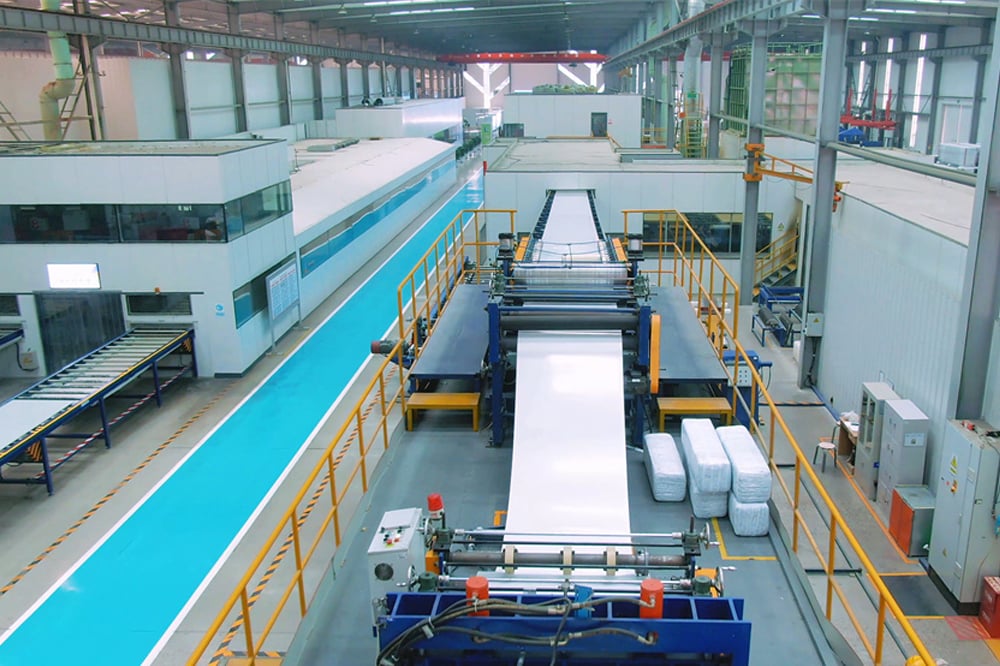
Industries worldwide are undergoing a major transformation toward “Industry 4.0” facilities. Whether in Class 100 (ISO 5) semiconductor factories or sterile GMP-certified pharmaceutical laboratories, cleanroom wall panels serve as the first line of defense against contamination.
By 2026, sustainability and modularity have become indispensable elements. Modern facility owners are gradually moving away from traditional civil engineering methods and adopting prefabricated sandwich panels. This material not only offers quick installation and excellent airtightness but also allows for flexible adjustments to spatial layouts as production demands change.
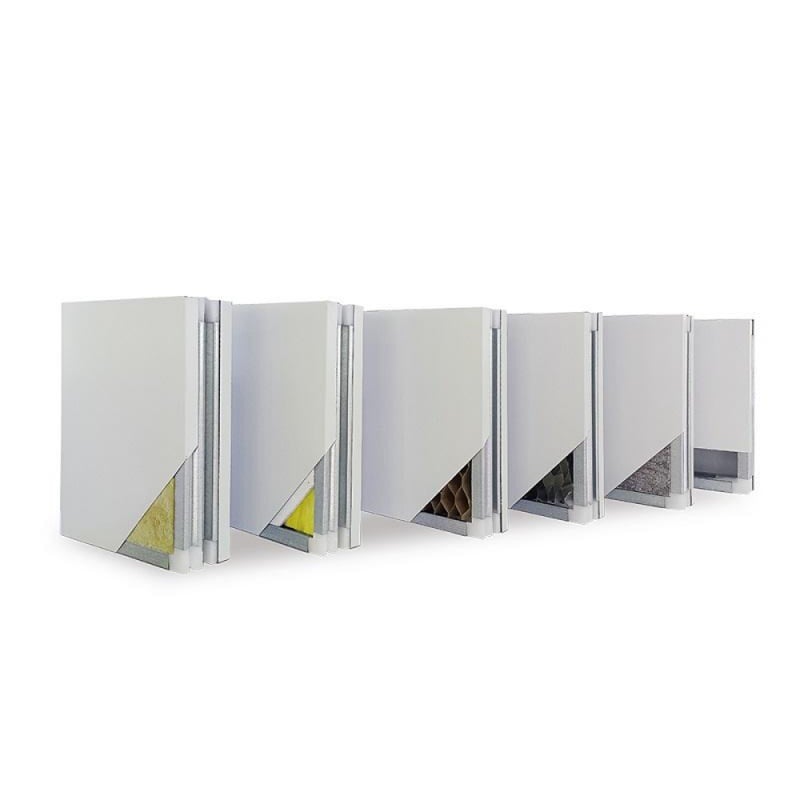
Selecting the appropriate core material is the most critical decision in the procurement process. Each material offers a unique balance of thermal insulation, fire resistance, and structural strength.
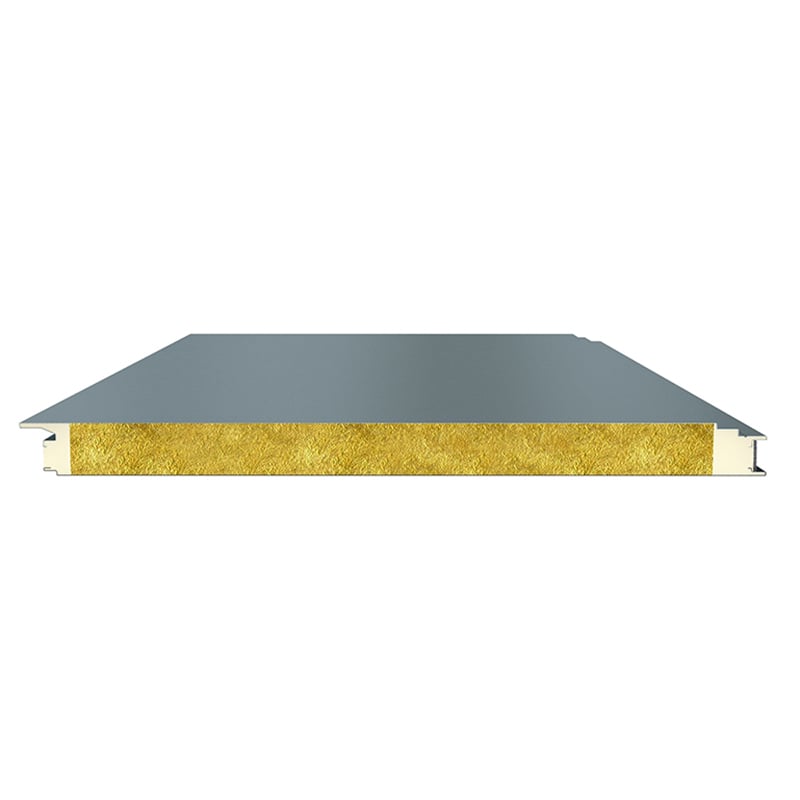
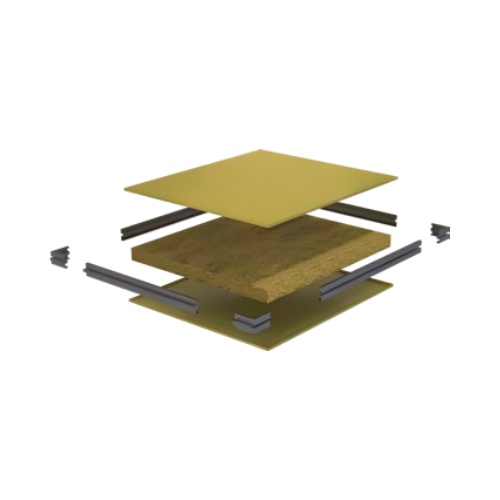
For projects where fire resistance is the top priority, rock wool cleanroom panels remain the industry standard and are the most commonly used option, with a Class A non-combustible fire rating.
Polyisocyanurate (PIR) and polyurethane (PU) are highly regarded for their exceptional R-values (thermal insulation coefficients).
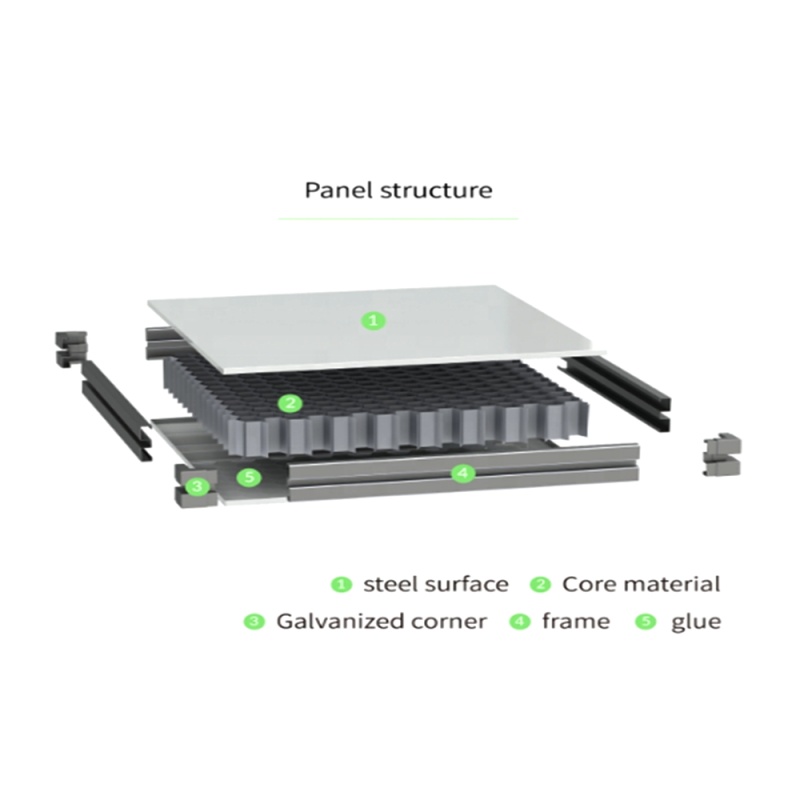
For ceiling systems and high-end electronic cleanrooms, aluminum honeycomb panels are typically the preferred choice.
| Feature | Rock Wool | PIR / PU | Aluminum Honeycomb |
| Fire Rating | A Grade (Excellent) | B1/B2 (Moderate) | A Grade (Excellent) |
| Thermal Insulation | Good | Excellent | Low |
| Weight | Heavy | Very Light | Light |
| Common Application | Pharma / General Industry | Cold Storage / Food | Electronics / Ceilings |
| Relative Cost | $$ | $$ | $$$ |
"What is the cleanroom panel price per square meter?" is the most common question we receive. In 2026, pricing is influenced by a volatile raw material market and technical specifications.
Buying from a sandwich panel manufacturer in China requires a focus on documentation. A reputable supplier should provide:
Glostar Expert Recommendation: Before shipment, be sure to request a “batch test report” to confirm the core material density and steel sheet coating thickness.
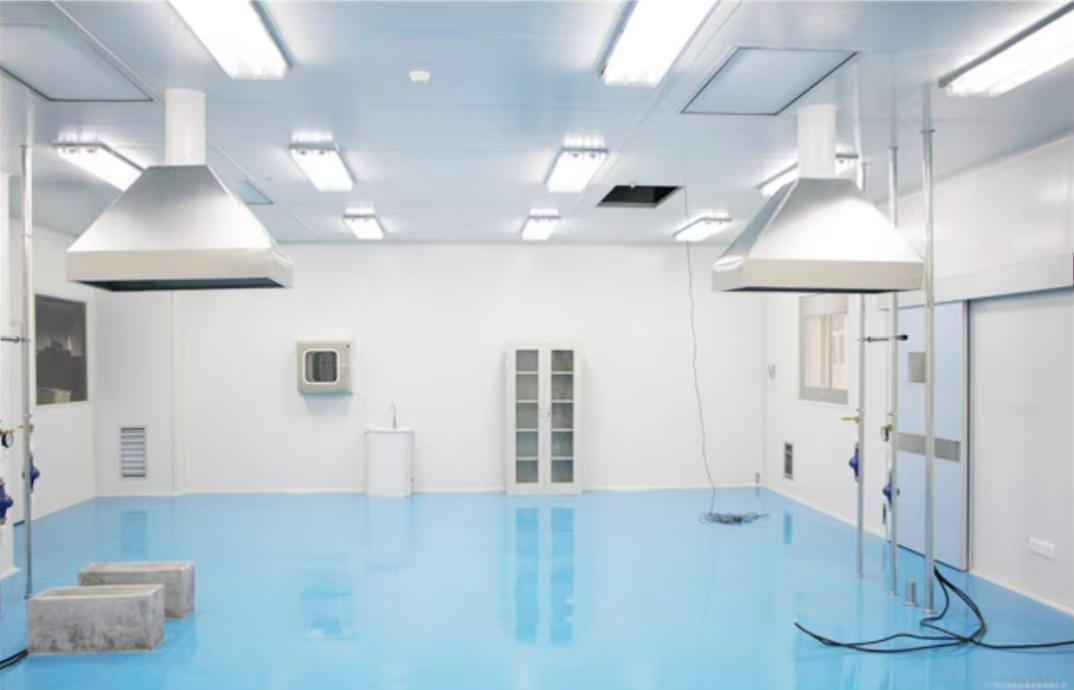
The success of a cleanroom project isn't just about the panels—it's about the integrated system. A professional cleanroom wall system includes:
By choosing a modular supplier like Glostar, you reduce on-site cutting and dust, shortening the construction timeline by up to 30% compared to traditional methods.
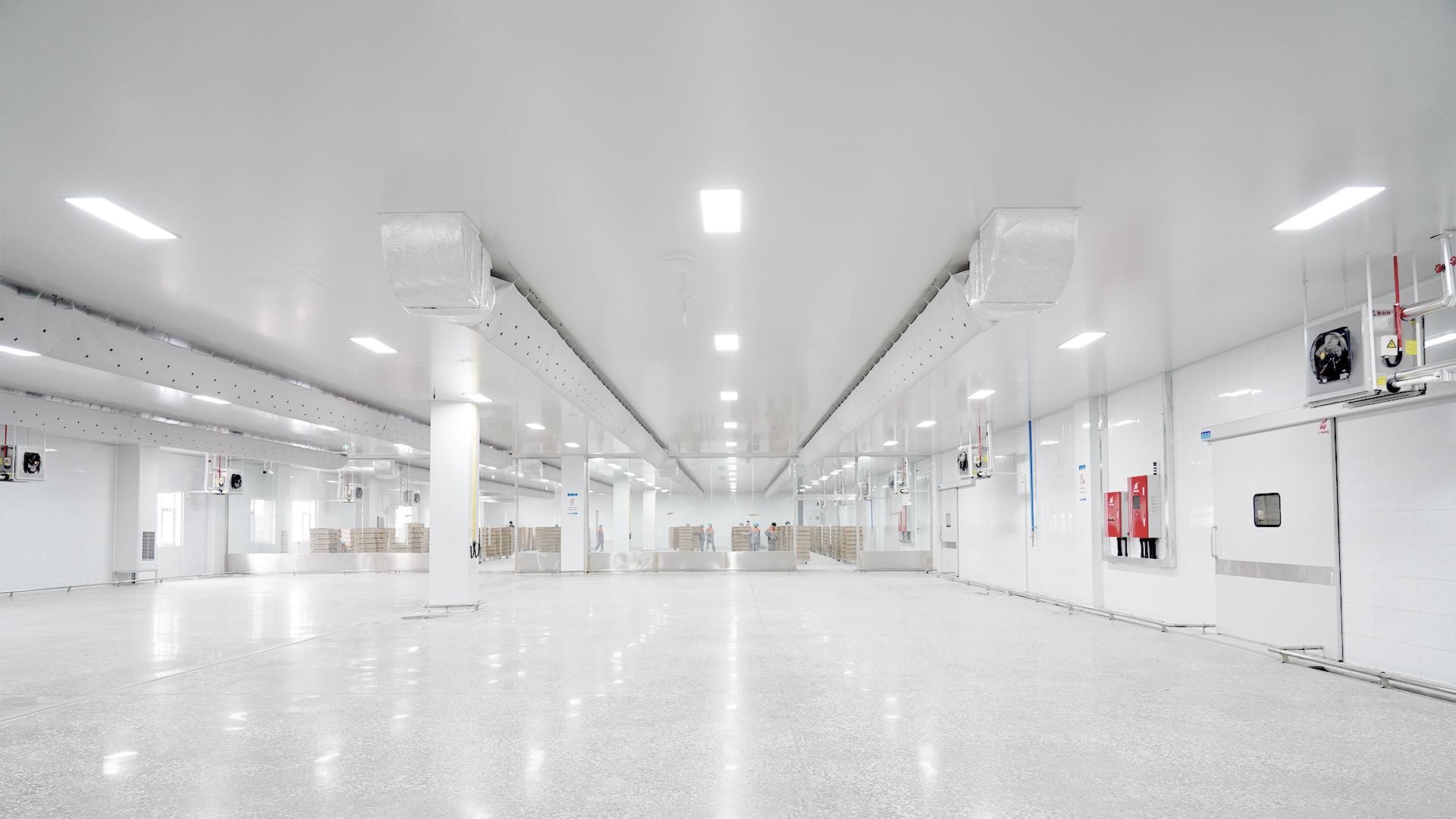
With over 10 years of expertise as a premier cleanroom panel factory, Glostar has bridged the gap between Chinese manufacturing efficiency and international quality standards.
 |
 |
Selecting the right cleanroom wall panels requires striking a balance between technical requirements, regulatory compliance, and budget management. A modular, high-performance system backed by engineering support is the key to ensuring your facility is future-proof.
Ready to start your project? Contact Glostar today for a free technical consultation, a customized product catalog, or an instant factory quote. Let’s work together to create your next precision cleanroom environment.
 Hot News
2026-09-09
2026-08-14
2026-08-11
2026-08-06
2026-07-30
2026-07-20

We believe that by upholding quality and embracing innovation, we can drive transformative changes in architecture and build a sustainable future for the construction industry.
No. 377, Gaoqi Road, High-tech Zone, Binzhou City, Shandong Province, China
Copyright © Shandong Apex Metal Products Co., Ltd. All Rights Reserved (Under the Glostar New Materials Group) Privacy Policy Blog
 EN
EN