EN
EN



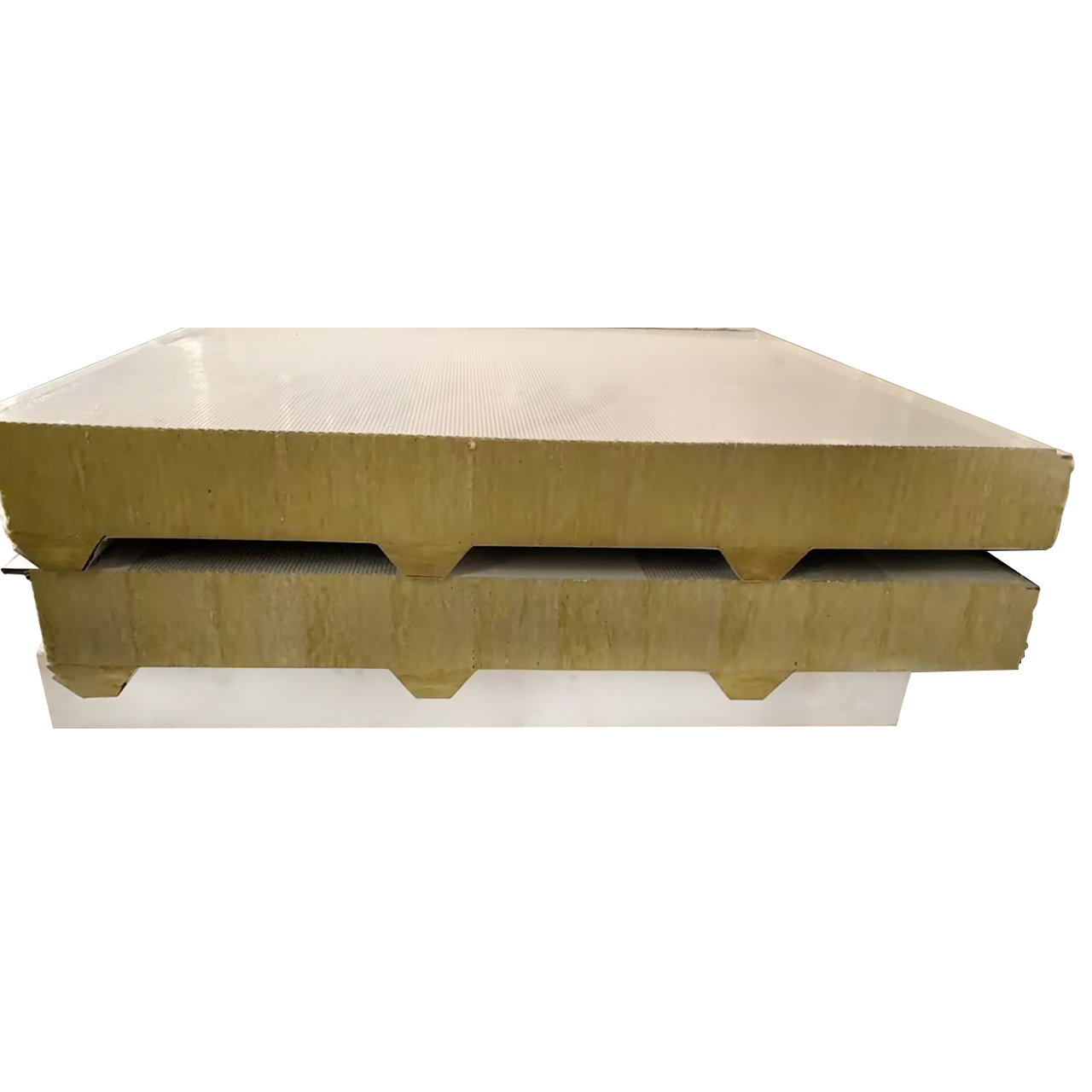
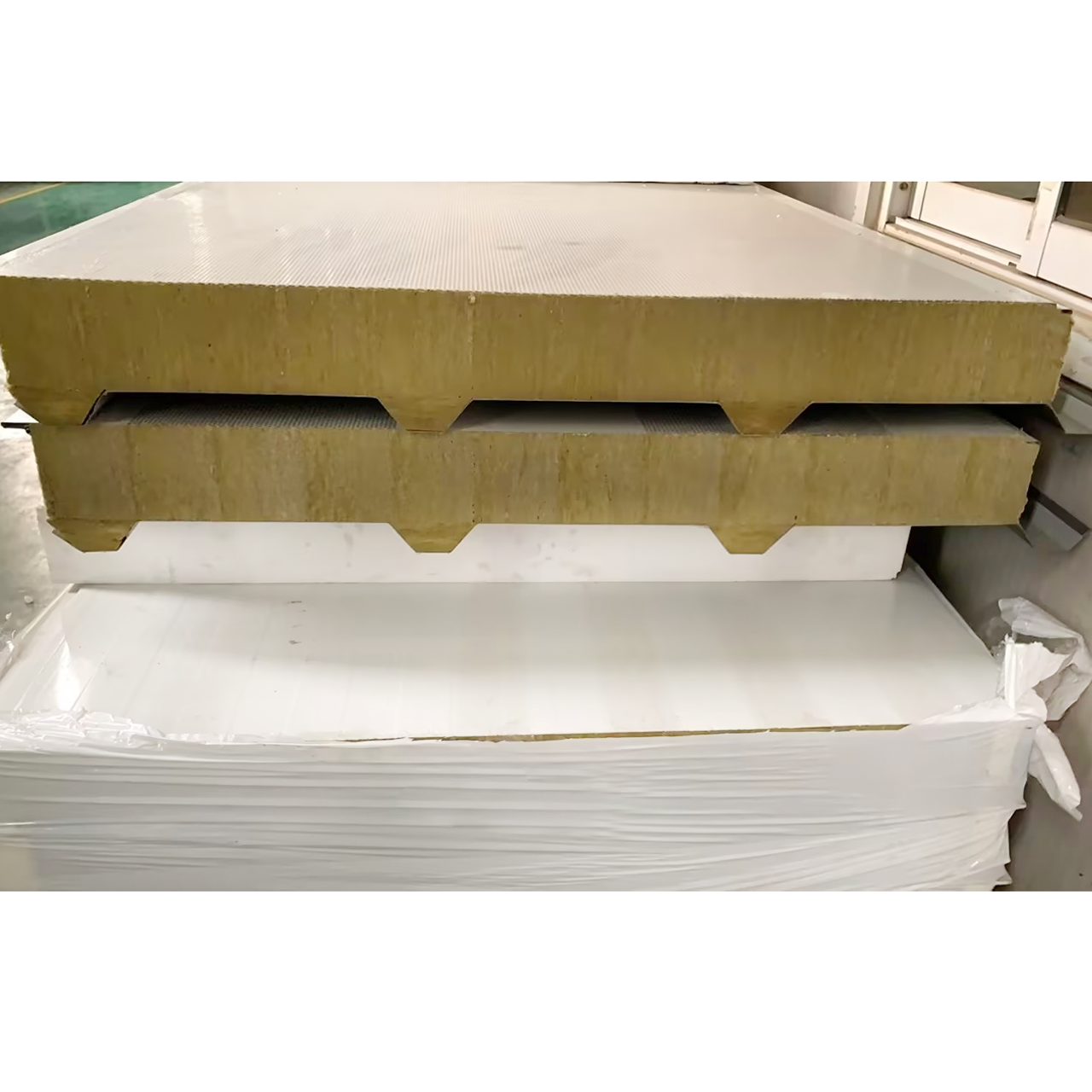
Rock Wool Roof Sandwich Panel Class A Fire Rated Glostar
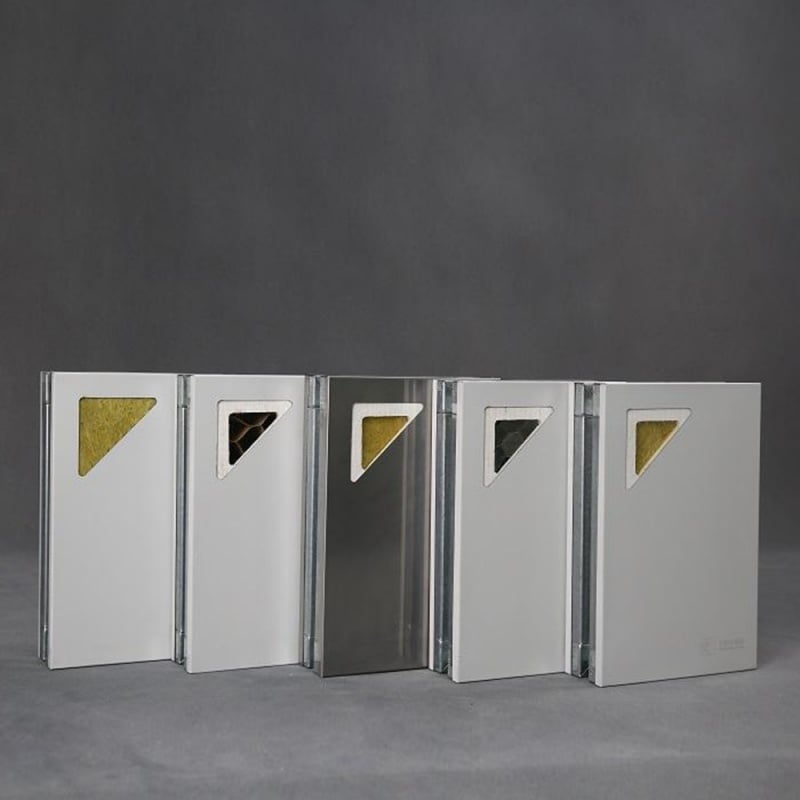
Glostar Rock Wool Roof Sandwich Panel Class A Fire Rated feature a Class A non-combustible rock wool core with a high acidity coefficient (≥1.6). Featuring a specialized weather-tight lap joint, it delivers unmatched waterproofing, thermal insulation, and fire safety for modern industrial and commercial buildings.
- Overview
- Recommended Products
Product details
- ✦Third-party tested fire and thermal certification — actual test reports available for each thickness, not just a certificate number. Tested under GB 8624 and EN 13162 / EN 14509 compatible protocols.
- ✦High-density 120 kg/m³ core — above the minimum specification for structural panel applications. Higher density means better compressive strength, better acoustic performance, and more stable long-term thermal values compared to low-density rock wool.
- ✦Full system supply — rock wool panels, matched accessories (ridge caps, eave flashings, gable trims, window reveals), and node drawings supplied as a complete system. No coordination gaps between panel and accessory suppliers.
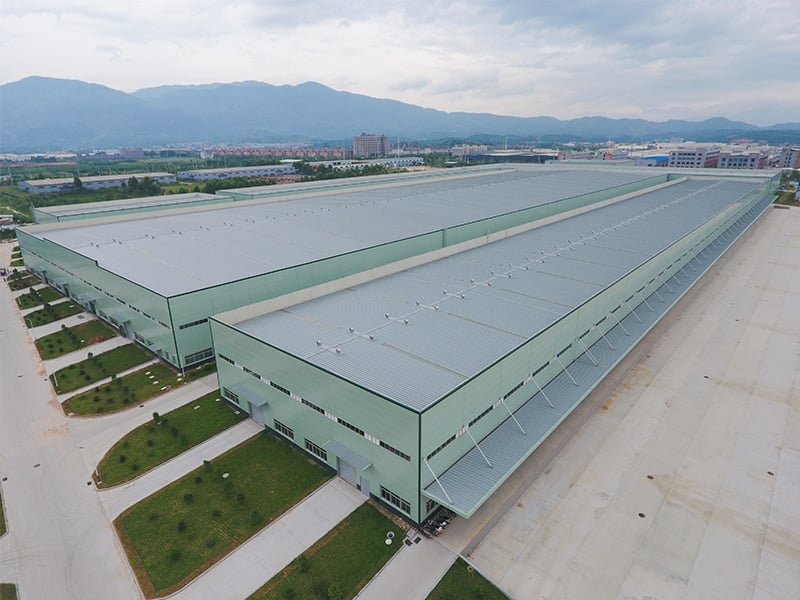
- ✦Proven large-project export capability — 90,954 m² supplied to Foxconn KK Park (Hyderabad, India) in a single project, with phased delivery coordinated to the construction programme. Reference documentation available.
- ✦Custom length cut to order — up to 15 000 mm, eliminating transverse joints and reducing on-site waste. Face sheet coating colour to RAL specification on request.
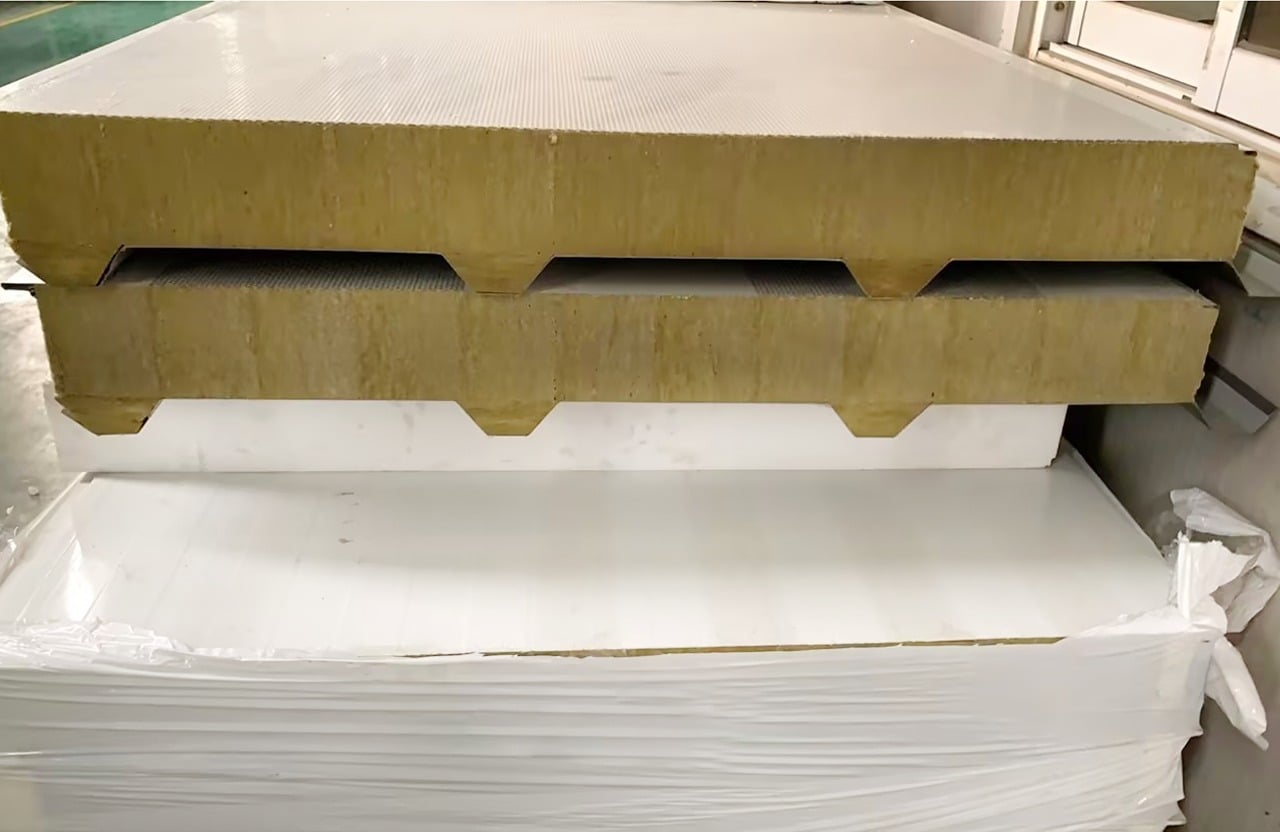
The Glostar Rock Wool Roof Sandwich Panel is a factory-assembled composite enclosure element designed for industrial, commercial, and institutional roofs where Class A fire safety is a mandatory requirement. The panel combines two pre-painted steel face sheets with a high-density hydrophobic rock wool (mineral wool) core, bonded and formed under controlled factory conditions into a structurally self-supporting, thermally efficient, and fire-safe roof panel.
The male-female lap joint profile — with PU (polyurethane) edge sealing — provides weathertightness and airtightness at the joint, critical for roof applications where water ingress at the panel junction is the most common failure point of conventional insulated panel systems. Panels are cut to your required length (up to 15 000 mm) at the factory, arriving on site ready for immediate installation without on-site cutting or insulation finishing.
The rock wool core is manufactured from inorganic mineral fibres with a melting point exceeding 1 000 °C. Under direct flame exposure the core does not burn, does not drip, and does not propagate fire — meeting the Class A (non-combustible) classification under GB 8624, DIN 4102-A1, and equivalent standards. Fire resistance at the system level reaches ≥ 30 min for panels ≤ 80 mm and ≥ 60 min for panels > 80 mm, providing the fire compartmentation performance required by industrial fire codes across Middle East, Southeast Asia, and South Asian markets.
The hydrophobic rock wool core achieves a declared thermal conductivity of ≤ 0.043 W/(m·K). Combined with the male-female lap joint geometry and PU edge sealing at the panel junction, thermal bridging at the joint is minimised — delivering the full design U-value across the roof assembly without thermal weak points. U-values range from 0.85 W/(m²·K) at 50 mm to 0.31 W/(m²·K) at 150 mm, covering the full range of insulation requirements from standard industrial facilities to energy-code-compliant buildings.
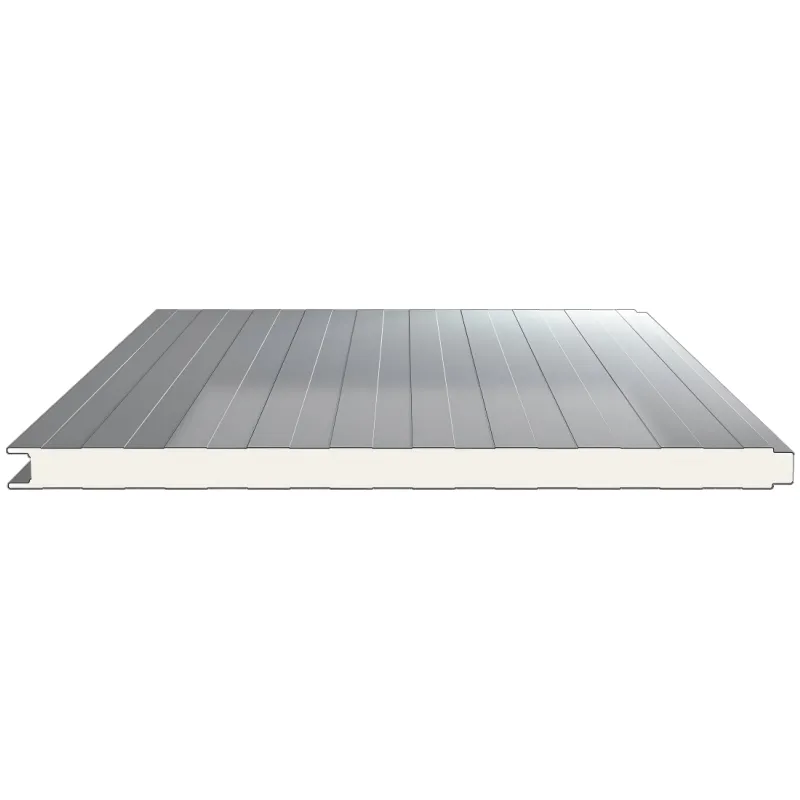
The roof panel uses a male-female (tongue and groove) lap joint profile: the external overlap dimension is generous — reducing the risk of wind-driven rain ingress — and the joint is factory-sealed with a continuous PU bead along the panel edge. This dual-layer protection (mechanical overlap + chemical seal) addresses the most common leakage failure mode of conventional insulated roof panels and maintains airtightness across the roof plane.
The panel profile is designed with an enlarged male-female external overlap at the longitudinal joint. This increases the effective bearing area at the purlin connection and distributes point loads across a greater width of face sheet — improving overall bending stiffness and load-carrying capacity under roof live loads (maintenance personnel, wind pressure, light snow accumulation in highland climates). The result is a panel that can span standard purlin spacings of 3–4 m without additional structural support.
The mineral wool core is treated with a hydrophobic agent during manufacturing. Water repellency (short-term water absorption by partial immersion) is ≥ 98%, meaning the core does not absorb or retain moisture under normal service conditions. Critically, if the panel is exposed to water during construction or extreme weather events, the core can be dried and its full insulation performance recovered — a significant advantage over foam-based core materials where moisture absorption is permanent and causes progressive thermal degradation.
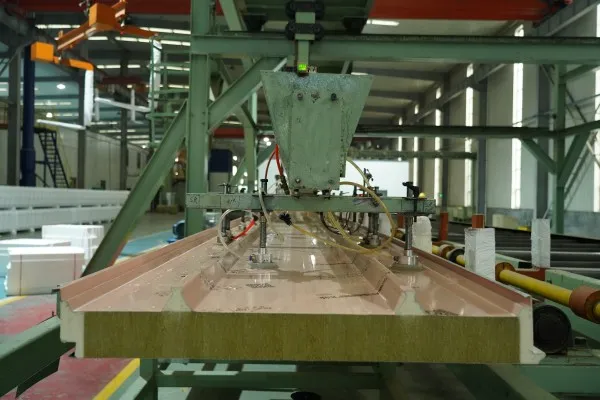
Select the panel thickness based on your climate zone, cooling/heating load, and local energy code U-value requirement. For Middle East climates (peak ambient 45–50 °C), 80–100 mm is recommended for standard industrial roofs. For fire-compartment or acoustic walls where insulation is secondary, 50 mm rock wool panels are commonly used alongside thicker foam-core roof panels.
| Thickness | U-Value W/(m²·K) | Fire Resistance | Typical Use |
|---|---|---|---|
| 50 mm | 0.85 W/(m²·K) | ≥ 30 min | Fire walls, acoustic partitions, temperate climates |
| 80 mm | 0.56 W/(m²·K) | ≥ 30 min | General industrial roof, Middle East standard spec |
| 100 mm | 0.46 W/(m²·K) | ≥ 60 min | Recommended — pharmaceuticals, food, electronics manufacturing |
| 120 mm | 0.38 W/(m²·K) | ≥ 60 min | Energy-code buildings, high AC load environments |
| 150 mm | 0.31 W/(m²·K) | ≥ 60 min | Green building certification, cold climates, data centres |
| Panel Type | Rock Wool (Mineral Wool) Roof Sandwich Panel — SR1000 Series |
| Core Material | High-quality hydrophobic rock wool (mineral wool) |
| Core Density | 120 kg/m³ |
| Thermal Conductivity λ | ≤ 0.043 W/(m·K) |
| Available Thickness | 50 mm / 80 mm / 100 mm / 120 mm / 150 mm (other thicknesses on request) |
| Standard Width | 1 000 mm (range: 500–1 200 mm) |
| Maximum Length | ≤ 15 000 mm (cut to order) |
| Joint Type | Male-female (tongue and groove) lap joint — enlarged external overlap |
| Outer Face Sheet | 0.6 mm pre-painted galvanised steel (PVDF / HDP / Polyester coating available) |
| Inner Face Sheet | 0.5 mm pre-painted galvanised steel (project-specific options available) |
| Fire Classification | Class A |
| Fire Resistance (REI) | ≥ 30 min (thickness ≤ 80 mm) / ≥ 60 min (thickness > 80 mm) |
| Rock Wool Acidity Coefficient | ≥ 1.6 (high-durability mineral fibre grade) |
| Water Repellency | ≥ 98% (short-term water absorption by partial immersion) |
Get a Technical Quote for Rock Wool Roof Panels
Tell us your project location, building type, required panel area, and preferred thickness — our engineering team will provide a specification recommendation and quotation within 24 hours.