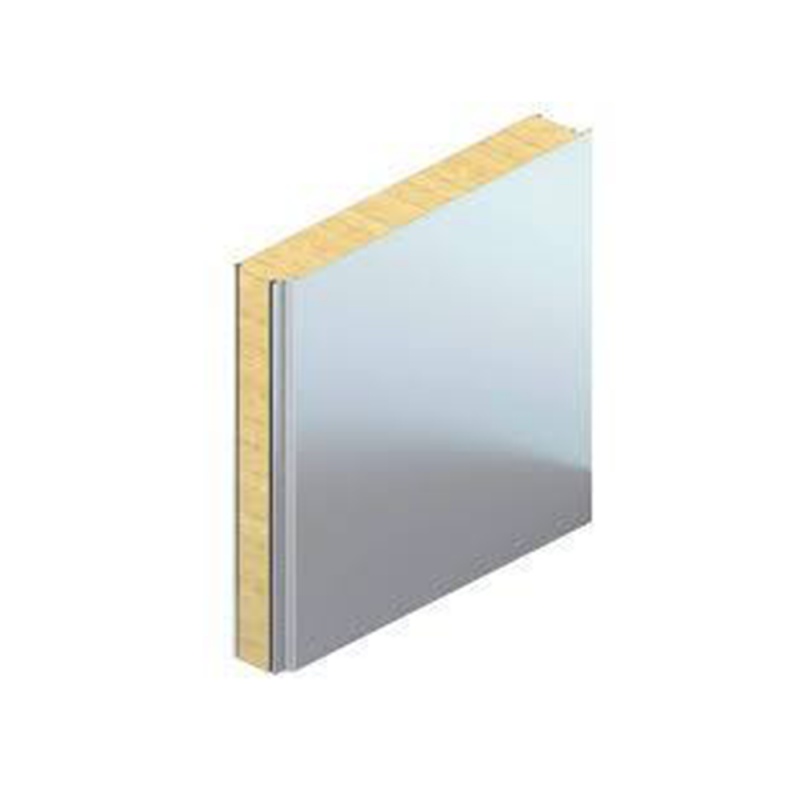
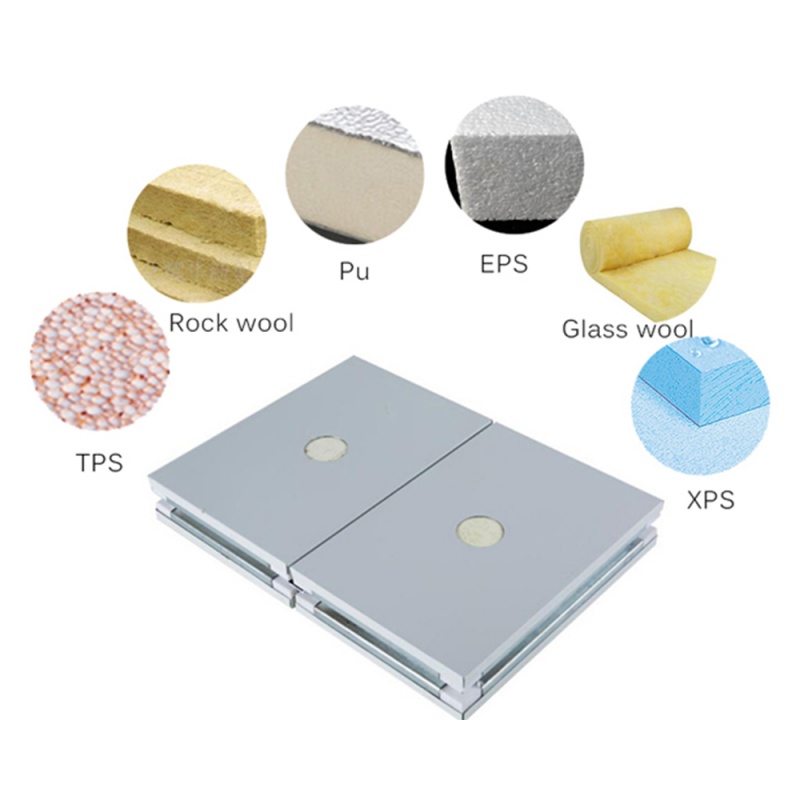
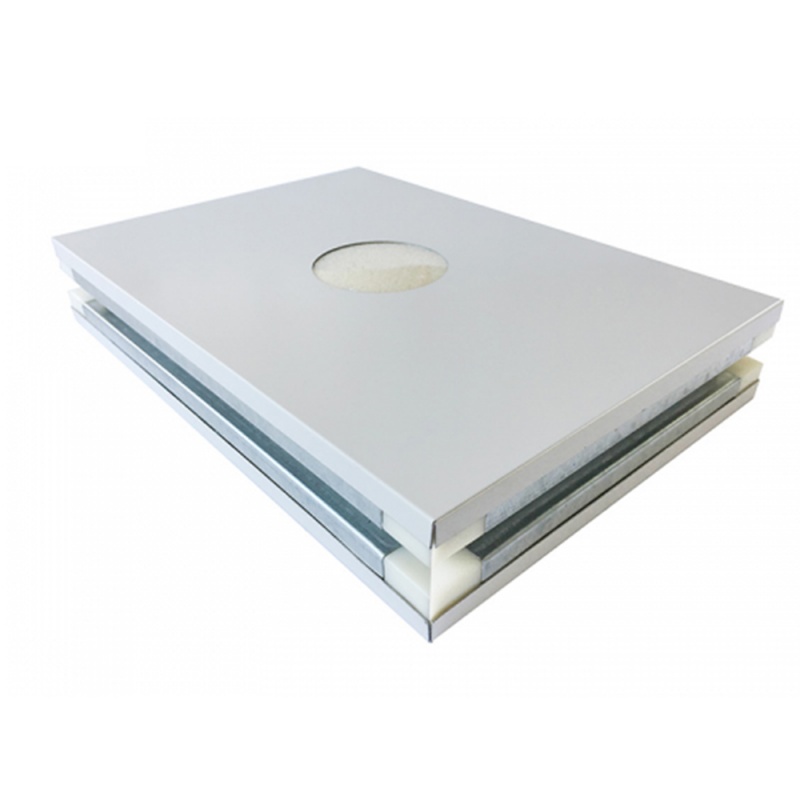
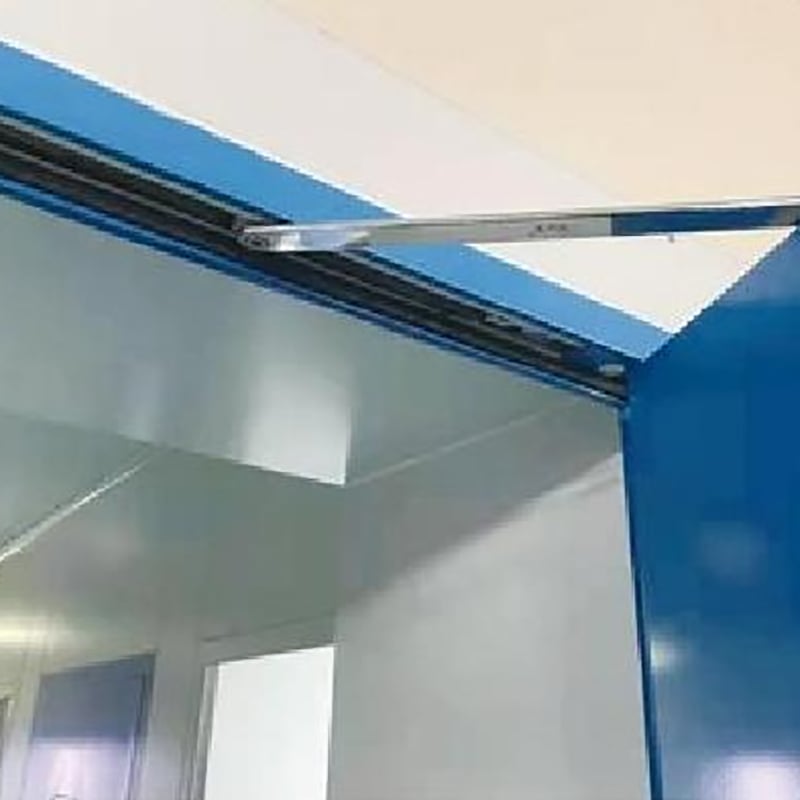
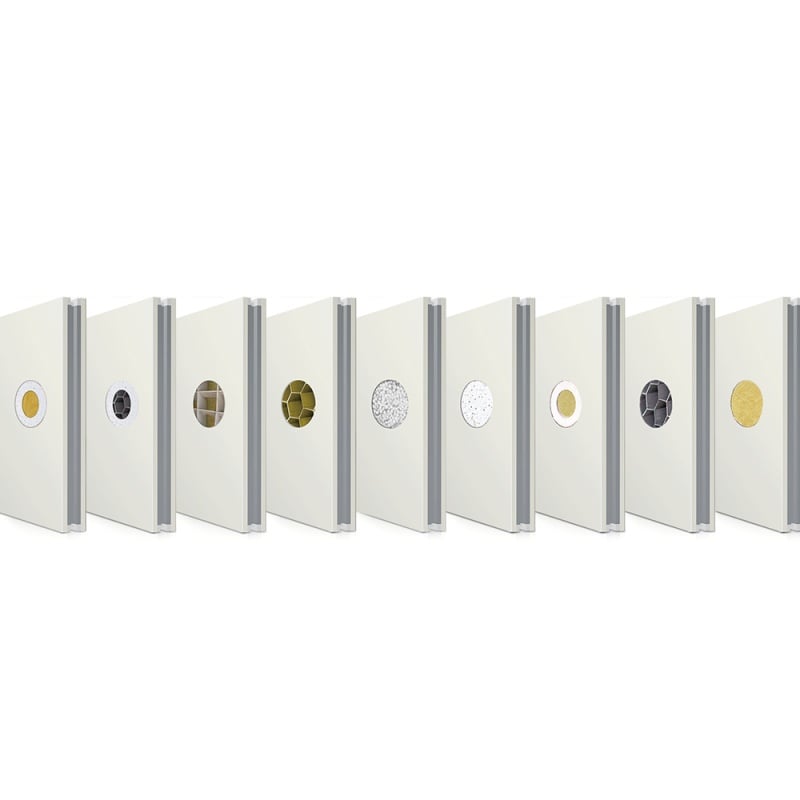
In the fields of interior renovation and construction, purification panels have garnered widespread attention due to their exceptional performance. Furthermore, the various core materials used in these panels—such as rock wool, EPS, and magnesium oxide—each possess distinct characteristics and serve diverse applications. As a manufacturer with years of deep expertise in cleanroom engineering materials, we are frequently asked a fundamental question by our clients: "With such a vast array of panels available on the market, which specific material is truly the best fit for my project?" The choice of material impacts not only the initial construction costs but also directly determines whether a project can successfully pass fire safety inspections as well as GMP and ISO certification audits. Today, we will take a deep dive into these three types of purification panel materials to uncover the lesser-known secrets they hold!
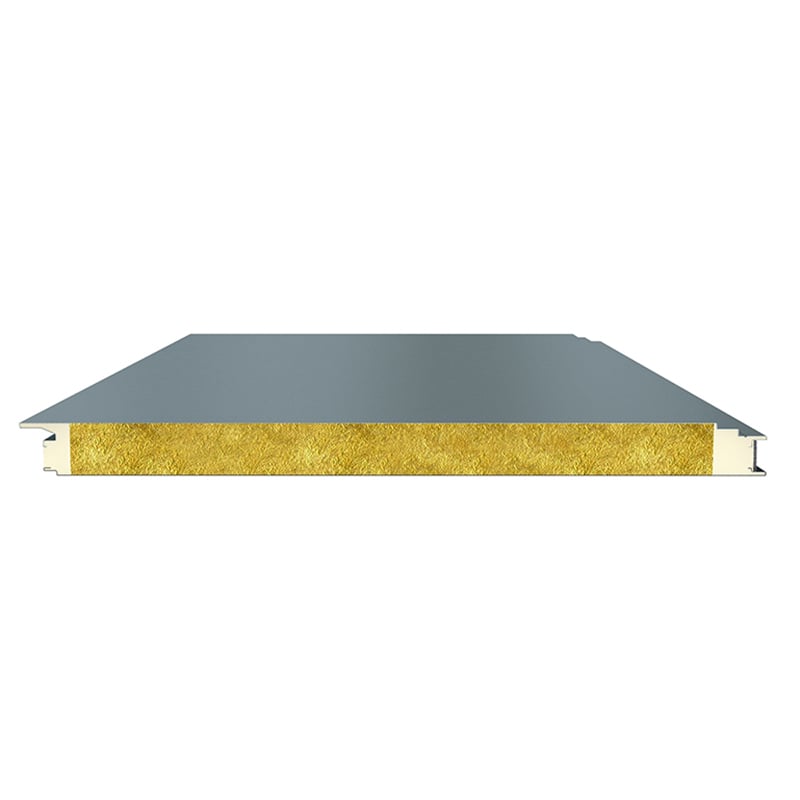
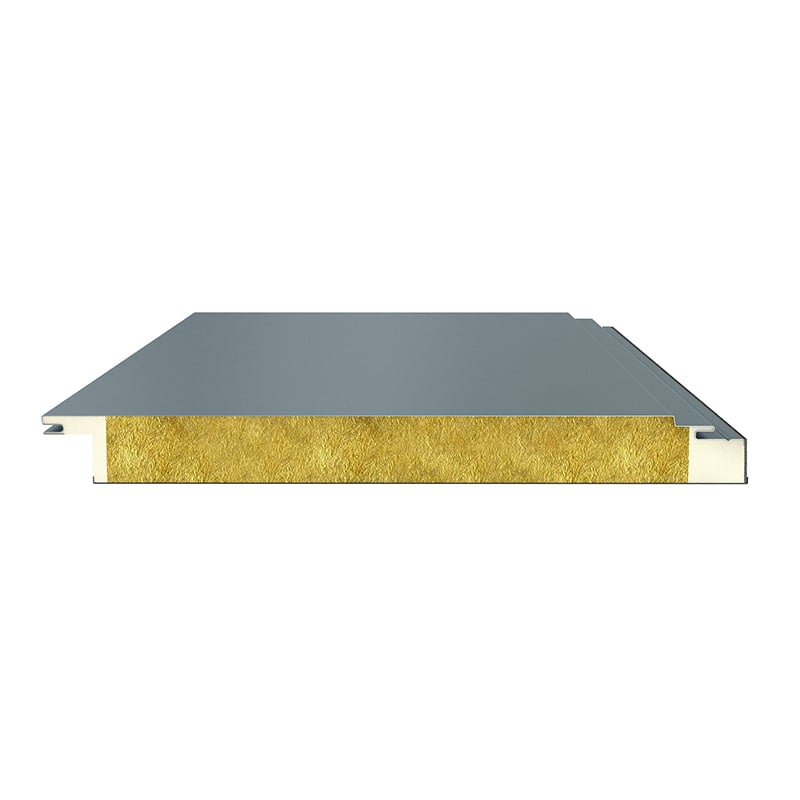
Rock wool cleanroom panels are currently one of the most widely used materials in mid-to-high-end cleanroom applications. At its core, the material is produced using natural basalt and dolomite as primary raw materials; these are melted at temperatures exceeding 1450°C, spun into fibers at high speed using a four-axis centrifuge, and then cured and cut after the addition of an appropriate amount of binder. It features a low thermal conductivity and superior thermal insulation properties, while also offering advantages such as fire resistance, moisture resistance, sound absorption, and noise reduction. Rock wool cleanroom panels are widely utilized for the roofing and wall cladding of steel-structure factories and prefabricated modular buildings, making them an indispensable, eco-friendly construction material within the building industry.

EPS cleanroom panels are a material that has long been familiar to the construction industry. An EPS cleanroom panel is a rigid foam plastic board manufactured by using polystyrene resin as the primary raw material; during a process involving heating and mixing with polymer additives, a catalyst is injected, after which the material is extruded and molded into shape. This type of panel features characteristics such as light weight, thermal insulation, heat retention, moisture resistance, and high-temperature resistance; furthermore, it offers excellent processing properties, making it easy to cut, bond, and install. EPS cleanroom panels find extensive application in fields such as building exterior wall insulation, cold storage facilities, refrigerated vehicles, air conditioning systems, and marine vessels.

Magnesium Oxide cleanroom panel is a novel, eco-friendly, and non-combustible material primarily composed of magnesium oxide and magnesium chloride, reinforced with inorganic mineral fibers or cellulose fibers. This material not only possesses properties such as fire resistance, moisture resistance, corrosion resistance, and anti-aging capabilities, but also boasts excellent environmental credentials—being free of toxic or harmful substances and fully recyclable. MGO cleanroom panels are widely utilized in settings with stringent hygiene requirements, such as hospitals, laboratories, and food processing plants.
Handling and installation require a professional team; if the panel edges sustain a severe, sharp impact, localized chipping may occur, potentially compromising the airtightness of the panel joints.

In reality, the choice of purification board material should be determined by the specific application scenario and requirements.
For instance, in settings where superior thermal insulation is required, rock wool purification boards are an excellent choice.
Conversely, for interior decoration projects with high aesthetic standards, magnesium oxide purification boards are better suited to meet the dual demands of visual appeal and environmental friendliness.
EPS purification boards, characterized by their lightweight nature and ease of processing, hold distinct advantages in temporary structures or situations requiring rapid installation.
Rock wool, EPS, and magnesium oxide—each of these three materials possesses its own unique strengths and weaknesses, making them suitable for different settings and requirements.
During the actual procurement process, many clients fall into traps, often lured by the promise of low prices. As a responsible supplier, we urge you to be vigilant regarding the following quality pitfalls:
✅ Procurement Advice: When purchasing, always insist that the manufacturer provide the latest third-party fire safety test reports (such as SGS, CE, or national fire-resistant building material reports). Ensure these reports clearly specify the core material density and the actual thickness of the steel sheets. Furthermore, prioritize reputable manufacturers with a proven track record and a portfolio of successful large-scale engineering projects.
Whether the choice is rock wool, EPS, or magnesium oxide, the selection of purification board material directly determines the baseline quality and safety ceiling of any construction project. A thorough understanding of each material's performance characteristics is essential to finding the optimal solution that effectively balances budgetary constraints with regulatory compliance.
💡 Is your cleanroom project currently in the material selection phase?
To receive a customized material proposal—tailored specifically to your project blueprints—along with a complimentary price quote, please feel free to contact our team of engineering material experts at any time!
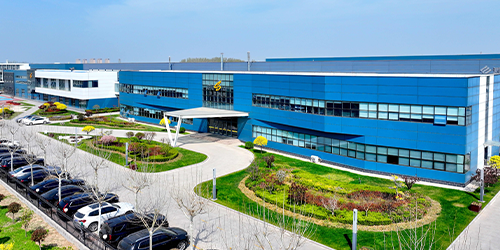
👉 Click here to watch the Glostar factory video (https://youtu.be/clKxsKLEZvg). If you would like to visit our factory in person, please contact us immediately.
Hot News2026-03-24
2026-04-03
2026-04-01
2026-03-30
2026-03-27
2026-03-26