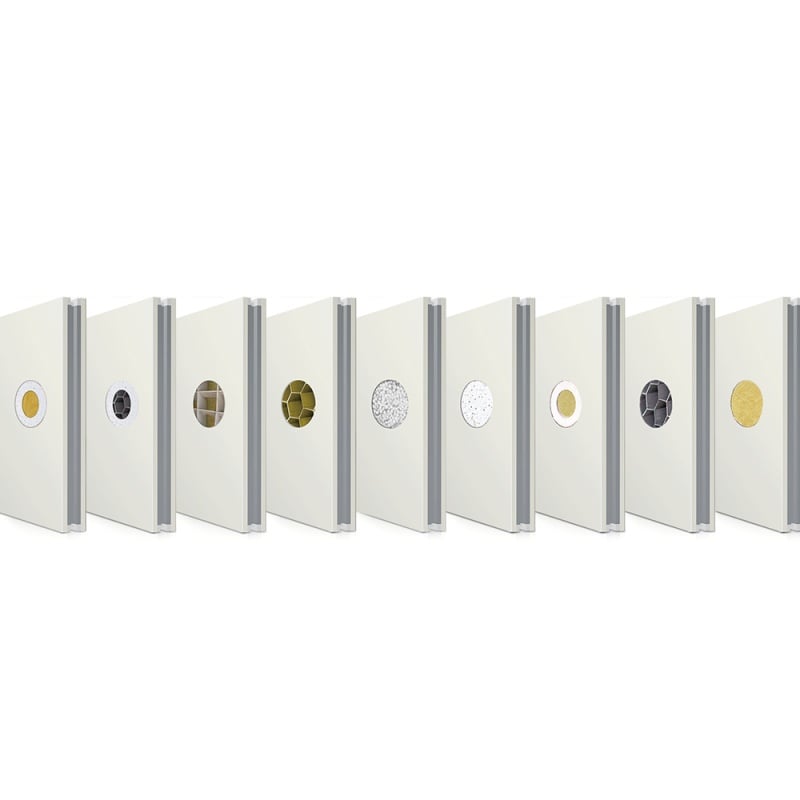
V oblastiach interiérového rekonštrukčného a stavebného priemyslu sa čistiacim panelom vďaka ich vynikajúcim vlastnostiam venuje široká pozornosť. Okrem toho každý z rôznych jadrových materiálov používaných v týchto paneloch – ako napríklad kamenná vlna, EPS a oxid horečnatý – má svoje špecifické vlastnosti a nachádza uplatnenie v rôznych aplikáciách. Ako výrobca s rokmi hlbokých skúseností v oblasti materiálov pre inžinierske riešenia čistých miestností sme často našimi klientmi požiadaní o odpoveď na základnú otázku: „Keď je na trhu tak široká ponuka panelov, ktorý konkrétny materiál je naozaj najvhodnejší pre môj projekt?“ Výber materiálu ovplyvňuje nielen počiatočné náklady na výstavbu, ale priamo určuje aj to, či bude projekt úspešne schválený pri kontrolách požiarnej bezpečnosti, ako aj pri auditoch certifikácií GMP a ISO. Dnes sa podrobne pozrieme na tieto tri typy materiálov pre čistiaci panely, aby sme odhalili ich menej známe tajomstvá!
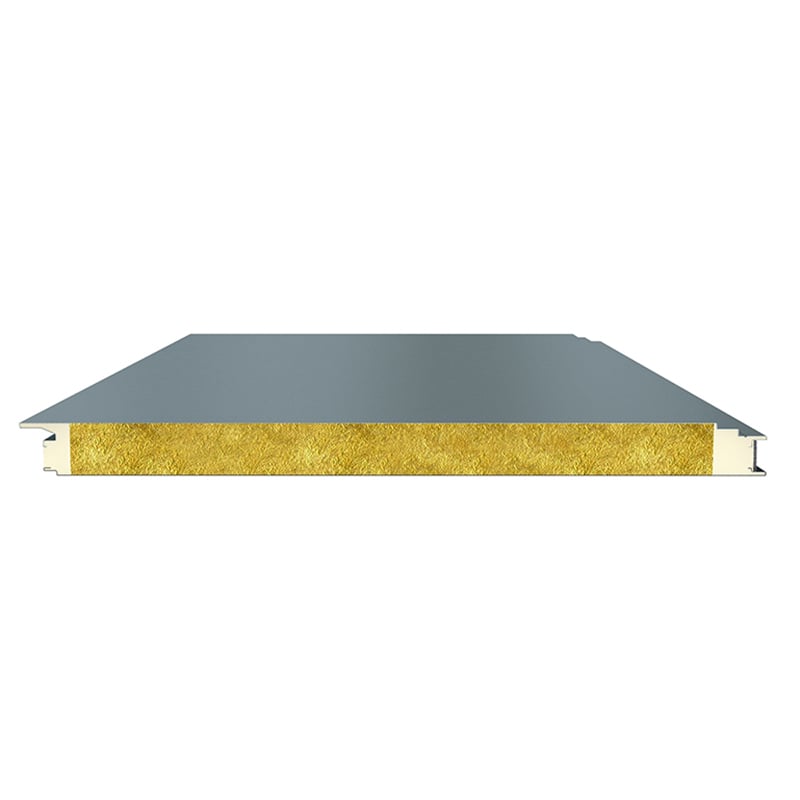
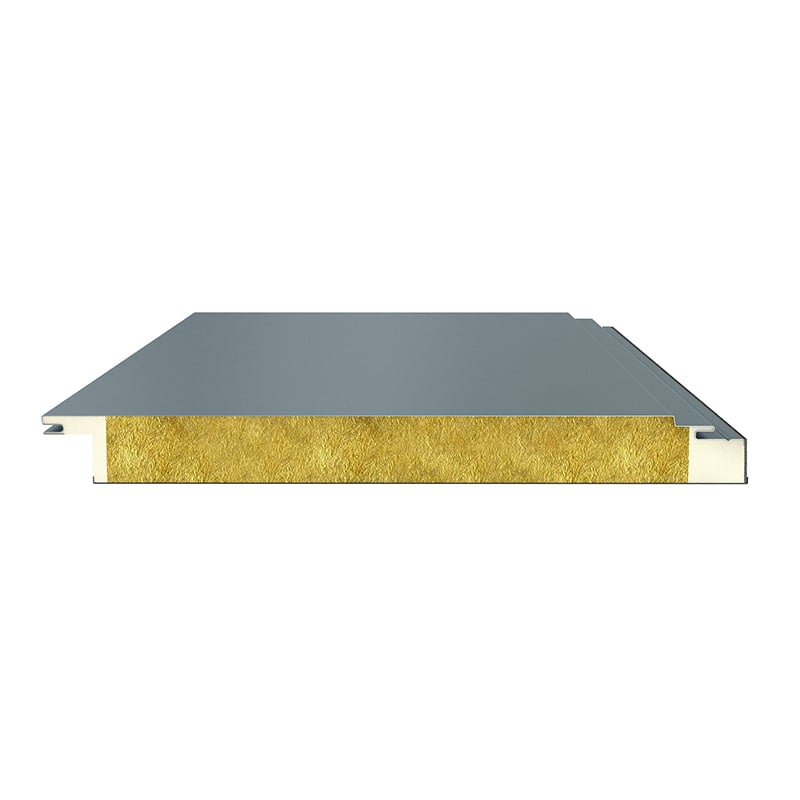
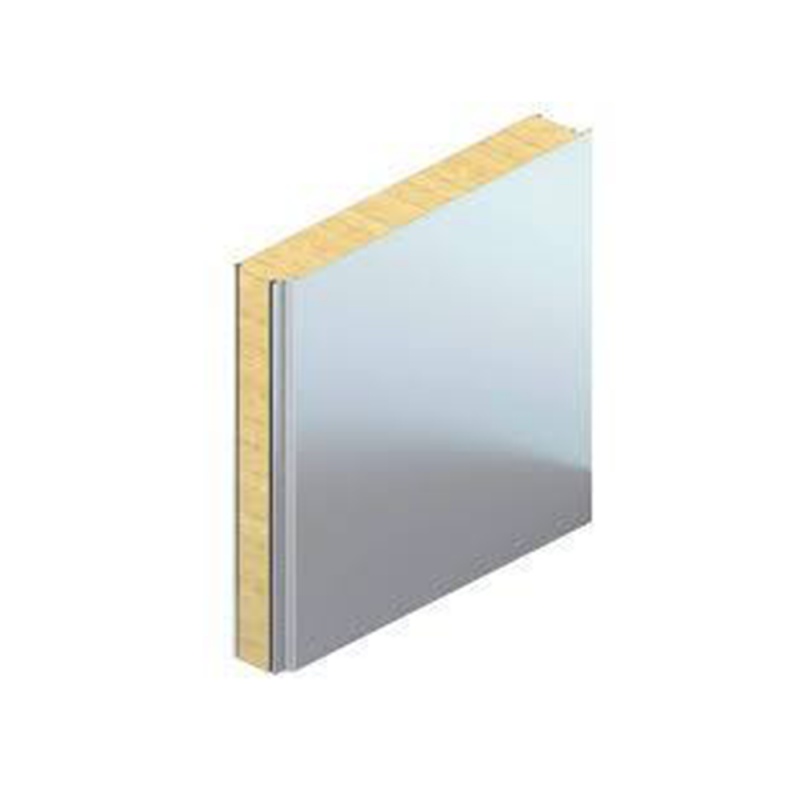
Panely pre čisté miestnosti z kamenného vlny sú v súčasnosti jedným z najviac používaných materiálov v stredne a vysokej triedy čistých miestností. Základom tohto materiálu sú prírodné suroviny – bazalt a dolomit, ktoré sa tavlia pri teplote vyššej než 1450 °C, následne sa rýchlosťou vysokorotačného štvorosiakového odstreďovača pretiahnu do vlákien a po pridaní vhodného množstva viažucej látky sa vytvrdzujú a režú. Vyznačuje sa nízkou tepelnou vodivosťou a vynikajúcimi tepelnými izolačnými vlastnosťami, pričom ponúka aj ďalšie výhody, ako je odolnosť voči ohňu, odolnosť voči vlhkosti, zvuková pohltivosť a zníženie hluku. Panelové dosky z kamennej vlny pre čisté miestnosti sa široko využívajú na strešné a stenové obklady oceľových konštrukcií a predmontovaných modulárnych budov, čím sa stávajú nevyhnutným a ekologicky šetrným stavebným materiálom v stavebnom priemysle.
EPS panely pre čisté miestnosti sú materiál, ktorý je stavebnému priemyslu známy už dlhú dobu. EPS čistá miestnosť je tuhá penová plastová doska vyrobená z polystyrénovej pryskyriny ako hlavnej suroviny; počas procesu zahrievania a miešania s polymérnymi prísadami sa pridá katalyzátor, po čom nasleduje extrúzia a formovanie materiálu do požadovaného tvaru. Tento typ dosky má vlastnosti ako nízka hmotnosť, tepelná izolácia, udržiavanie tepla, odolnosť voči vlhkosti a vysokým teplotám; navyše ponúka vynikajúce spracovateľné vlastnosti, čo z nej robí ľahko rezný, lepiaci a inštalačný materiál. EPS panely pre čisté miestnosti sa široko používajú v oblastiach ako izolácia vonkajších stien budov, chladničky, chladené vozidlá, klimatizačné systémy a námorné plavidlá.
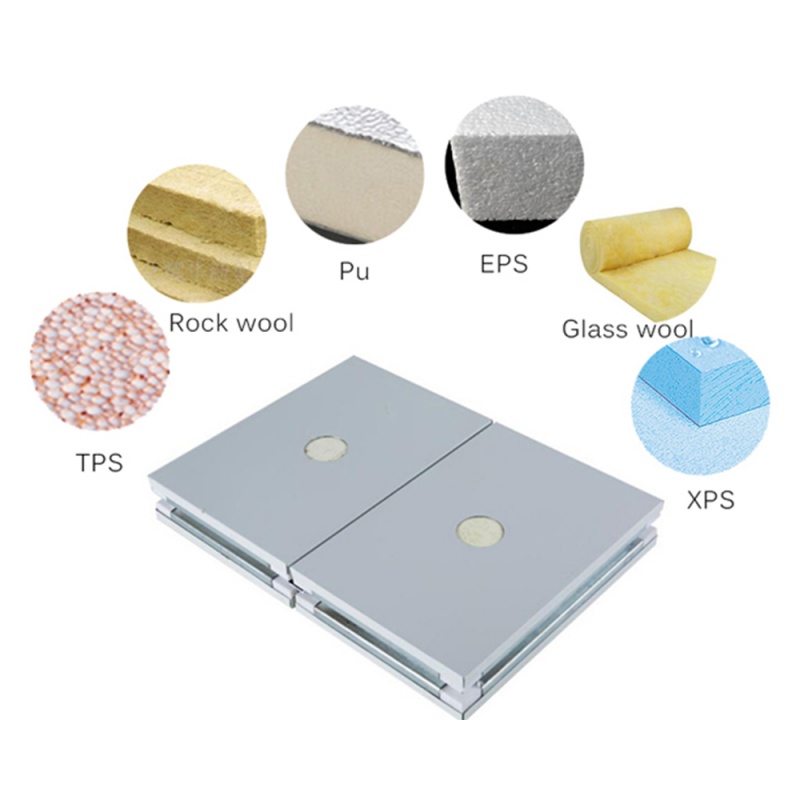
Čistá miestnosť z oxidu horčíka je nový, ekologicky šetrný a nehorľavý materiál, ktorý sa skladá predovšetkým z oxidu horčíka a chloridu horčíka a je posilnený anorganickými minerálnymi vláknami alebo celulózovými vláknami. Tento materiál nielenže vlastní vlastnosti ako požiarná odolnosť, odolnosť voči vlhkosti, korózii a stárnutiu, ale tiež ponúka vynikajúce environmentálne výhody – je bez toxických alebo škodlivých látok a úplne recyklovateľný. Čisté miestnosti vybavené doskami MGO sa široko používajú v prostrediach s prísnymi hygienickými požiadavkami, napríklad v nemocniciach, laboratóriách a potravinárskych výrobniach.
Manipulácia a inštalácia vyžadujú odborný tím; ak sa hrany dosky vystavia vážnemu, ostrému nárazu, môže dôjsť k lokálnemu odštiepeniu, čo potenciálne ohrozí tesnosť spojov dosiek.
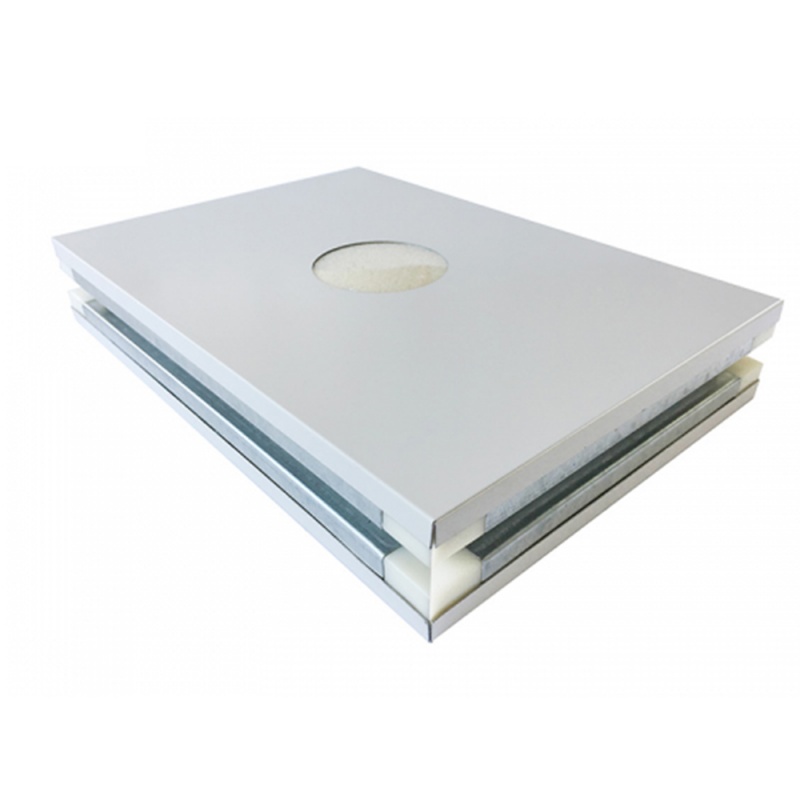
V skutočnosti by sa výber materiálu čistiacich dosiek mal určiť podľa konkrétneho aplikačného scenára a požiadaviek.
Napríklad v prostrediach, kde je vyžadovaná vynikajúca tepelná izolácia, sú čistiacich dosky z kamenného vlny výbornou voľbou.
Naopak pre projekty interiérového výzdoby s vysokými estetickými požiadavkami sú čistiaci dosky z oxidu horčíka lepšie vhodné na splnenie dvoch požiadaviek – vizuálnej pôžičky a ekologickej priateľskosti.
Čistiaci dosky z EPS, ktoré sa vyznačujú nízkou hmotnosťou a jednoduchou spracovateľnosťou, majú zreteľné výhody pri dočasných konštrukciách alebo v prípadoch, keď je potrebná rýchla inštalácia.
Žierna vlna, EPS a oxid horčíka – každý z týchto troch materiálov má svoje vlastné jedinečné silné a slabé stránky, čo ich robí vhodnými pre rôzne prostredia a požiadavky.
Počas skutočného procesu nákupu sa mnoho klientov nechá zlákať nízkymi cenami a spadne do pasce. Ako zodpovedný dodávateľ vás vyzývame, aby ste boli ostražití vo vzťahu k nasledujúcim chybám týkajúcim sa kvality:
✅ Odporúčania pre nákup: Pri nákupe vždy vyžadujte od výrobcu poskytnutie najnovších externých správ o skúškach požiarnej bezpečnosti (napr. SGS, CE alebo národné správy o požiarne odolných stavebných materiáloch). Uistite sa, že tieto správy jasne uvádzajú hustotu jadrového materiálu a skutočnú hrúbku oceľových plechov. Okrem toho uprednostňujte renomovaných výrobcov s overenou históriou a portfóliom úspešne dokončených rozsiahlych inžinierskych projektov.
Či už ide o kamennú vlnu, EPS alebo oxid horčíka, voľba materiálu pre čisté dosky priamo určuje základnú kvalitu a horný limit bezpečnosti akéhokoľvek stavebného projektu. Dôkladné pochopenie výkonnostných charakteristík každého materiálu je nevyhnutné na nájdenie optimálneho riešenia, ktoré účinne vyváži rozpočtové obmedzenia a dodržanie predpisov.
💡 Je váš projekt čistých miestností momentálne v fáze výberu materiálov?
Ak si prajete získať prispôsobený návrh materiálu – špeciálne upravený podľa výkresov vášho projektu – spolu s bezplatnou cenovou ponukou, neváhajte kedykoľvek kontaktovať náš tím odborníkov na technické materiály!
👉 Kliknite sem a pozrite si video o továrni Glostar ( https://youtu.be/clKxsKLEZvg). Ak by ste chceli navštíviť našu továreň osobne, kontaktujte nás okamžite.
 Horúce správy
2026-09-09
2026-08-14
2026-08-11
2026-08-06
2026-07-30
2026-07-20
Veríme, že dodržiavaním kvality a prijímaním inovácií môžeme spôsobiť transformačné zmeny v architektúre a postaviť udržateľnú budúcnosť pre stavebný priemysel.
Číslo 377, ulica Gaoqi, Zóna vysokých technológií, mesto Binzhou, provincie Šan-tung, Čína
Autorské práva © Shandong Apex Metal Products Co., Ltd. Všetky práva vyhradené (v rámci skupiny Glostar New Materials Group) Zásady ochrany súkromia Blog
 EN
EN