EN
EN



Customized Clean Room Sandwich Wall Panel
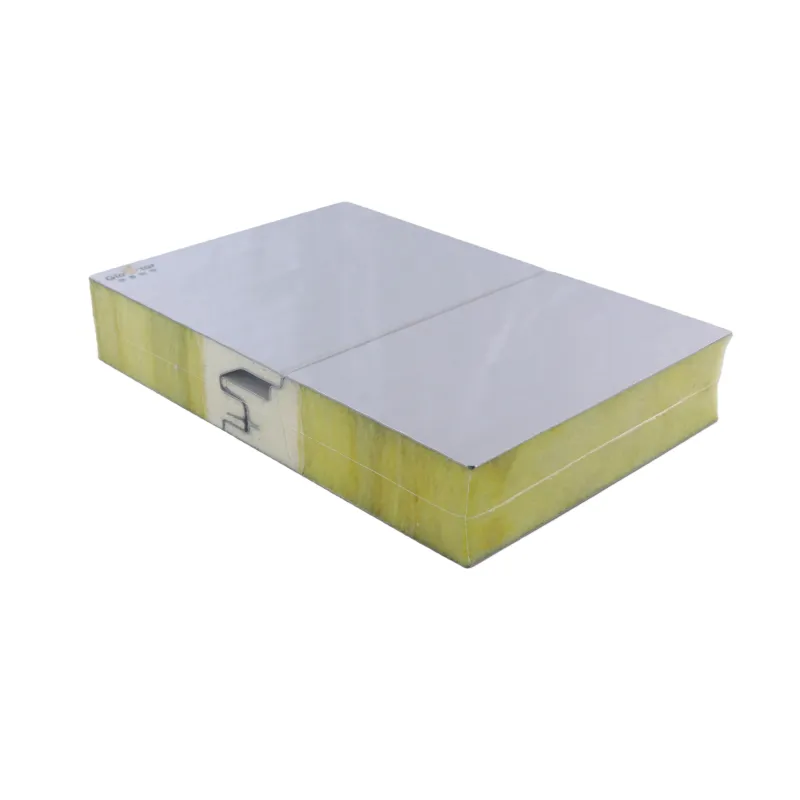
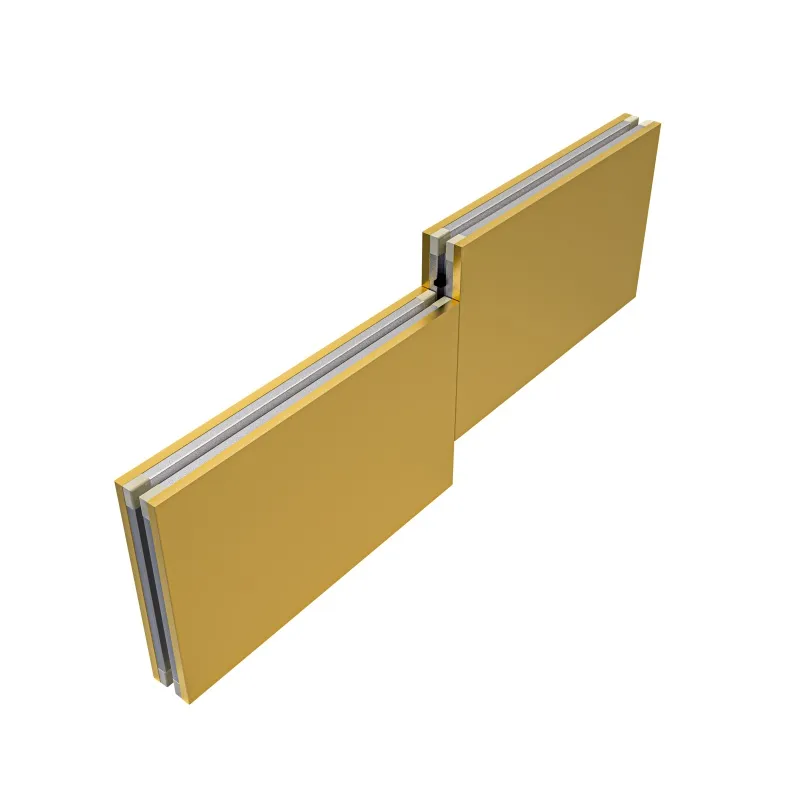
Glostar’s customized cleanroom sandwich wall panels combine a rock wool core with precision-extruded aluminum joints, delivering non-combustible fire resistance, contamination-free surfaces, and a fully concealed fastener installation system in a single product.
- Overview
- Recommended Products
Product details
Most cleanroom sandwich panels make you choose between fire performance and installation quality. Panels with combustible cores are easier to work with but cannot achieve the non-combustibility classifications that pharmaceutical GMP and hospital construction standards increasingly demand. Panels with rock wool cores hit the fire rating but have traditionally struggled with dust shedding — a direct contamination risk in controlled environments.
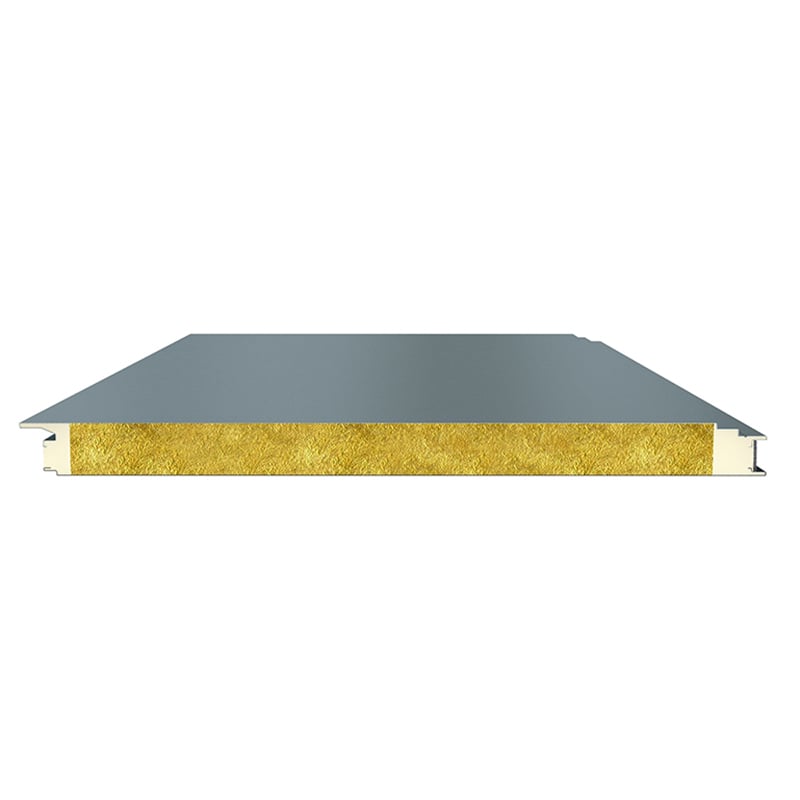
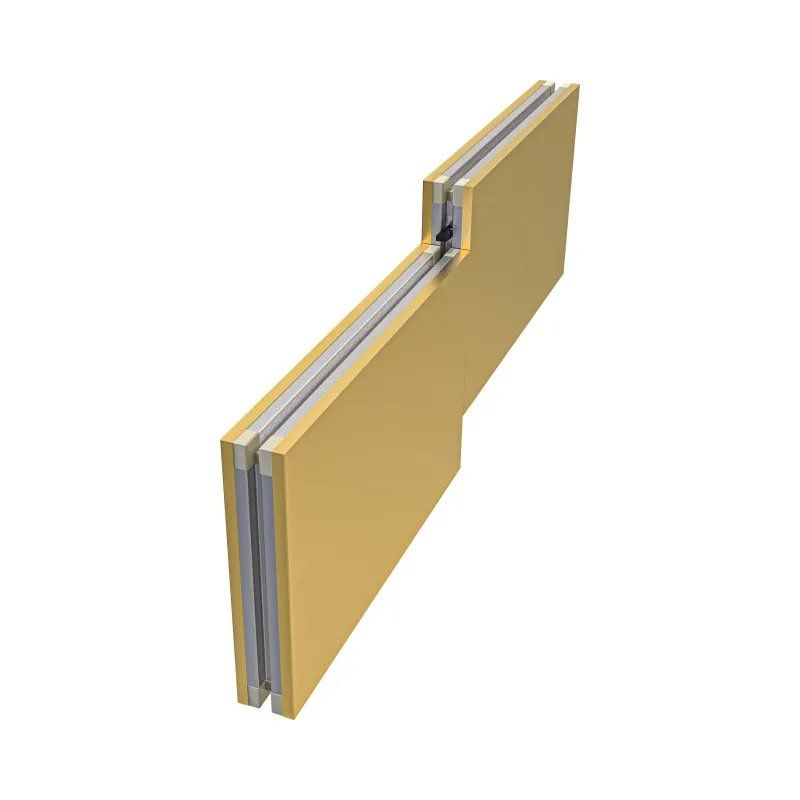
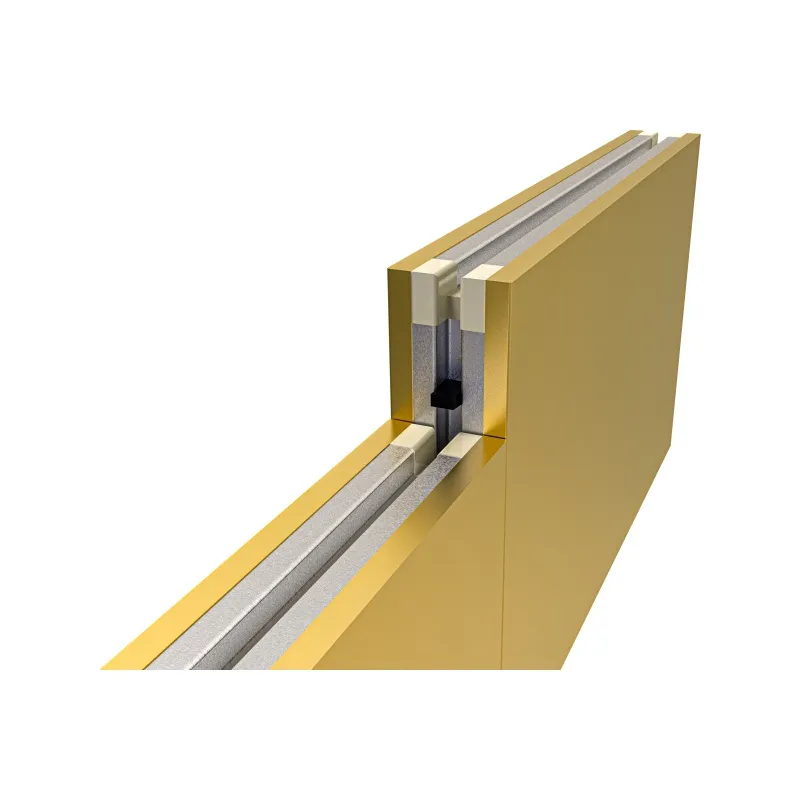
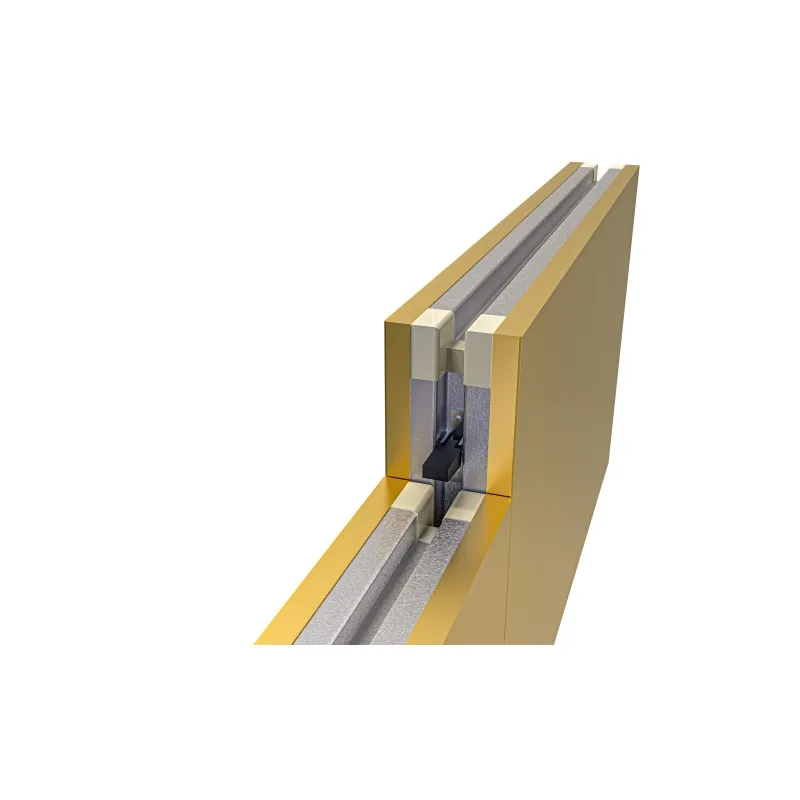
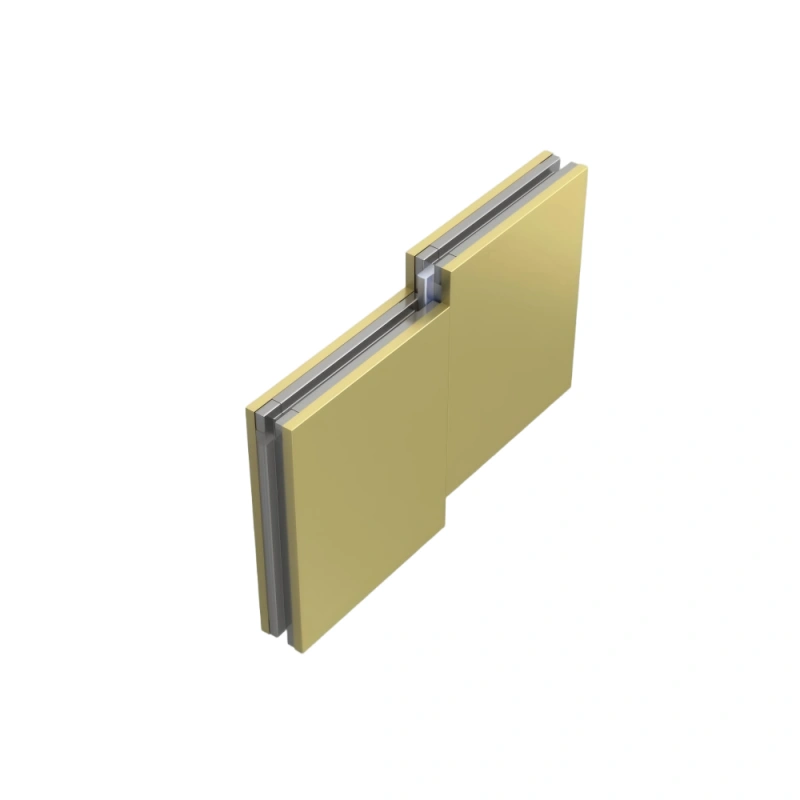
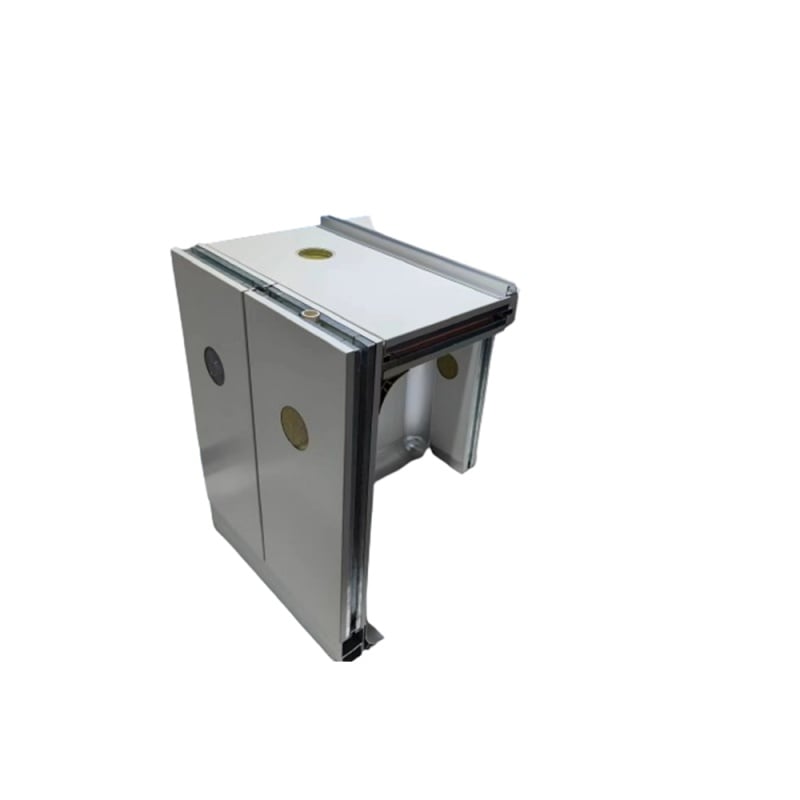
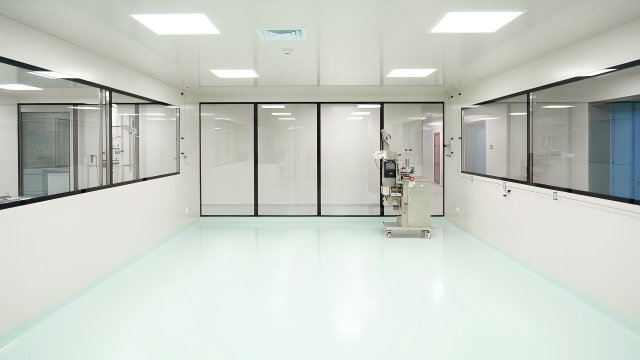
This Customized Clean Room Sandwich Wall Panel resolves both problems. The core material is rock wool — mineral wool fibres permanently immobilised with a resin binder that prevents airborne shedding during installation, cutting, and the full service life of the cleanroom. The outer joint is formed by a precision-extruded aluminum alloy profile that connects adjacent panels with concealed clip fasteners, leaving no exposed screw heads, no surface discontinuities, and no particle-trapping recesses on the room-side face.
 |
 |
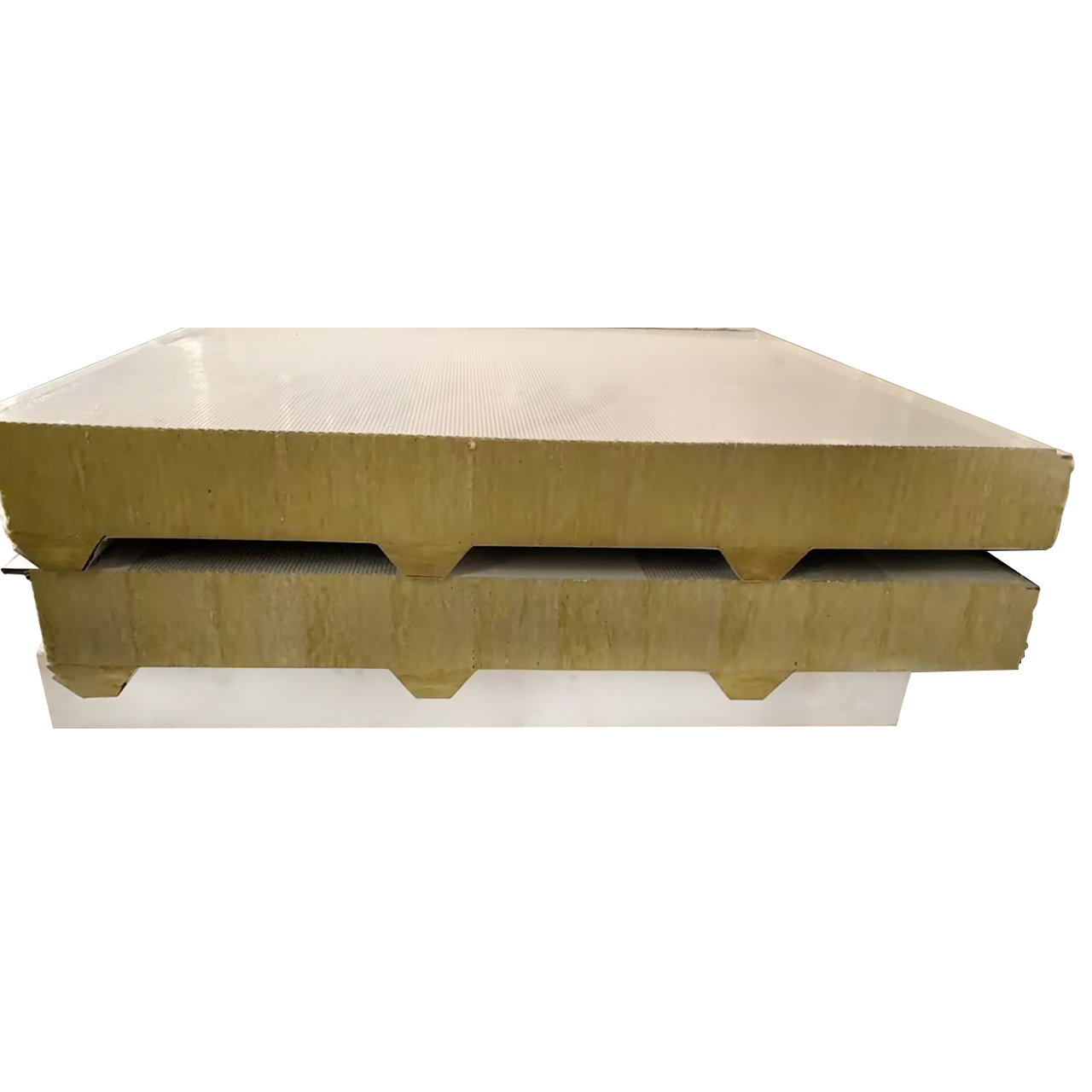
The Rock Wool Core
Cleanroom panels with rock wool cores offer a high fire rating; rock wool neither burns nor melts and does not emit toxic gases during combustion, achieving a fire rating of Class A2 (non-combustible).
Key Features
Rock wool core certified to EN 13501-1 Class A2-s1,d0. Does not ignite, does not melt, produces no toxic smoke under fire conditions. The highest classification achievable for a sandwich panel.
No exposed screws, washers, or drilled holes on the room-side wall face. Concealed clip fasteners inside the aluminum profile channel. Completely smooth, cleanable surface from floor to ceiling.
Pre-painted steel or PVDF-coated face tolerates IPA, bleach, quaternary ammonium, and hydrogen peroxide vapour disinfection protocols. Optional antibacterial coating inhibits surface microbial growth between cleans.
Thermal conductivity λ = 0.036–0.045 W/mK. U-value ≤ 0.45 W/m²K at 100 mm thickness. STC sound reduction 35–42 dB for effective zone isolation between production areas.
The concealed clip system allows panels to be removed individually without damage. Cleanroom layouts can be reconfigured without demolition, reducing cost and construction waste when facility requirements change.
Technical Specifications
| Parameter | Specification |
|---|---|
| Core Material | Rock wool |
| Core Density | 80 – 150 kg/m³ |
| Fire Classification | A2(Non-Combustible) |
| Panel Thickness | 50 / 75 / 100 / 150 mm (custom available) |
| Panel Width | 600 / 900 / 1200 mm |
| Panel Length | Custom cut, max 6,000 mm |
| Face Skin Options | Pre-painted galvanized steel / Stainless steel 304 / HPL |
| Steel Skin Thickness | 0.4 / 0.5 / 0.6 mm |
| Thermal Conductivity (λ) | 0.036 – 0.045 W/mK |
| U-Value (100 mm) | ≤ 0.45 W/m²K |
| Cleanroom Classification | ISO Class 5 – ISO Class 8 |
| Available Colors | RAL 9002 / RAL 9010 / custom RAL |
| Reconfigurability | Fully demountable and reusable without panel damage |
Applications
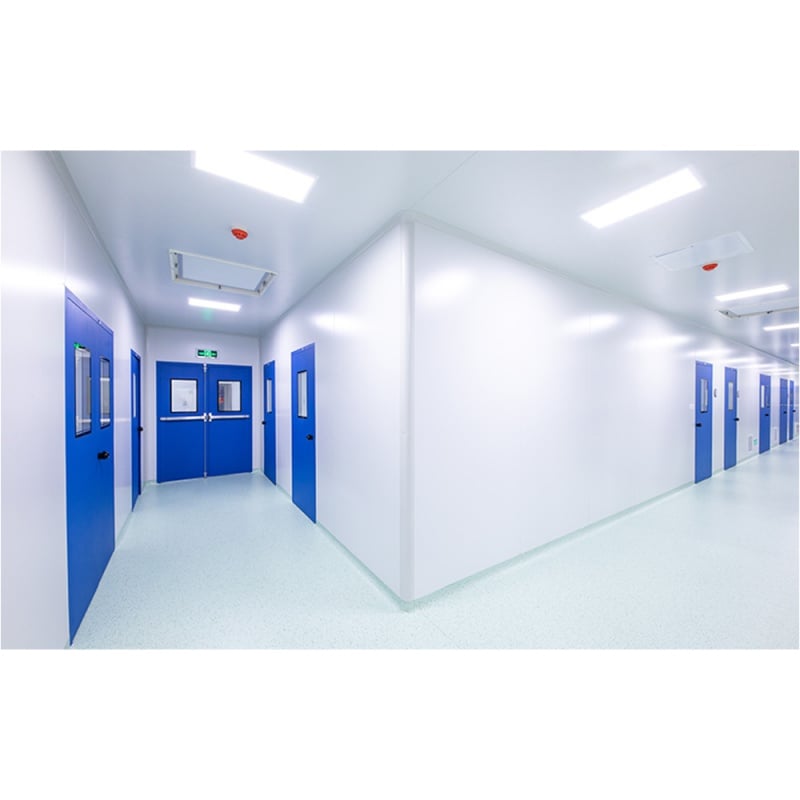
The combination of A2 fire rating, zero-dust rockwool core, and concealed fastener joint makes this cleanroom panel suitable for the most demanding controlled environments:
Frequently Asked Questions
Can the panels be removed individually if one is damaged or if the layout changes?
Yes. The concealed clip fastener sits inside the aluminum profile channel. To remove a panel, the adjacent profile is accessed and the clip released — the panel can then be slid out without cutting, drilling, or damaging the surrounding panels or structure. This makes individual panel replacement straightforward and makes full cleanroom reconfiguration feasible without demolition. Panels removed carefully can be reinstalled in a new position.
Which surface coating is recommended for pharmaceutical environments using aggressive disinfectants?
PVDF coating is the recommended option for pharmaceutical environments using hydrogen peroxide vapour (VHP), chlorine dioxide, peracetic acid, or high-frequency bleach disinfection cycles. PVDF has significantly better chemical resistance than standard polyester coating and maintains its surface integrity and colour stability over many years of aggressive cleaning. For containment suites handling highly active compounds, stainless steel 304 face skins are available as an alternative.
What thickness should be specified for a pharmaceutical cleanroom interior partition?
For interior partitions between cleanroom zones, 75 mm or 100 mm is standard. 75 mm provides sound reduction — adequate for most pharmaceutical production separation requirements. 100 mm improves both thermal and acoustic performance and is preferred where noise-generating equipment (lyophilizers, filling machines, HVAC air handling units) is adjacent to a quieter classification zone. 150 mm is used where EI60 or EI90 fire resistance period is specified by the building engineer.
Specify This Panel for Your Project
Share your floor plan, panel schedule, or project brief and we will return a detailed quotation — including specifications, profile layout drawings, and delivery programme — within 24 hours.
✉ Request a Quote Browse All PanelsWhatsApp / Call: +86 19554276139 | English-speaking technical team | Response within 24 hours