 EN
EN


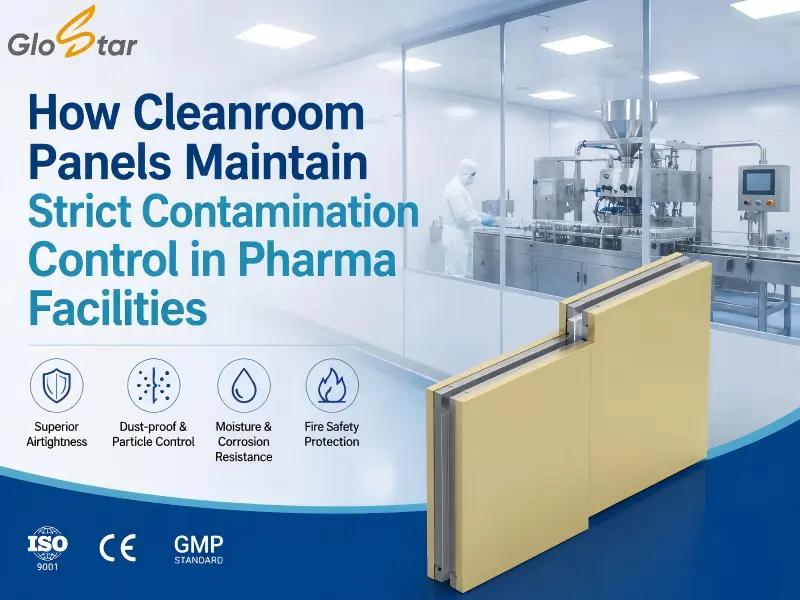
One lapse in quality control in a pharmaceutical manufacturing setting cannot be tolerated
One tiny particle, microbe or chemical residue can taint an entire batch of life‑saving drugs resulting in product recalls, regulatory scrutiny, and the compromising of patients' safety. For this reason, cleanroom panels play a crucial role in the design and construction of pharmaceutical facilities, serving as one of the first lines of defense against contaminants entering production. Here, we explore how these specially designed enclosure systems work to keep pharmaceutical manufacturing environments clean and comply with GMP.
Why Contamination Control Is Critical in Pharmaceutical Manufacturing
Pharmaceutical manufacturing spaces worldwide must adhere to stringent standards. Current Good Manufacturing Practices (cGMP) and FDA guidelines require sterile and aseptic processing areas and demand strict controls on contamination to guarantee both a safe product and an effective one. The number and type of contaminants are immense; personnel, water, air, surfaces, raw materials, equipment, and manufacturing processes all can lead to the invasion of bacteria into your production system compromising its quality.
When it comes to the design of pharmaceutical cleanroom facilities it is imperative that microbial contamination be prohibited both through engineering controls and operational procedures. The design of the space, the walls and ceiling system, is foundational to establishing and upholding control. High quality cleanroom panels contribute to this by preventing particles from forming in clean rooms, as we will now elaborate on.
How cleanroom panels Prevent Particle Accumulation
Smooth and non‑porous surfaces: cleanroom panels are manufactured with special surface finishes that prevent particles from settling on them. The smooth and impermeable top surfaces that produce a non‑participating, non‑shedding surface on quality cleanroom panels work to minimize the microbial contaminants that stick to the panel surfaces by inhibiting any adherence at all. This design aspect of any cleanroom is absolutely paramount to the successful application of pharmaceutical level processes that require repeated cleaning and sanitation.
Easy‑to‑clean panel finishes: High levels of frequent washing and disinfections demand a tough finish on each cleanroom panel. With an antibacterial and chemically resistant finish the cleanroom panel surface can survive many months of usage and repeated sanitization in even the toughest pharmaceutical environments. Glostar's pharmaceutical cleanroom panels utilize a non‑particle shedding antibacterial gel coat on both sides of the panel which makes them capable of withstanding regular wiping and sanitization, thus keeping the surface integrity high.
Reduced dust retention: With a smooth, dense finish cleanroom panels for use within the pharmaceutical environment can greatly limit and prevent particle and fiber accumulation. Routine wiping will not scratch the surfaces, and the panels themselves contribute zero added contamination. This design greatly reduces the particles in your environment.
How Sealed Panel Joints Reduce Contamination Risks
Panel‑to‑panel joints: These connections are key points for contaminant infiltration and must be accounted for in the design process of pharmaceutical spaces. A tongue and groove joining system ensures exceptional airtightness when using high‑quality cleanroom panels, further removing bacteria and fine dust. This interlocking system provides a contained barrier that helps the cleanroom maintain its internal pressure.
Corner connections: A cleanroom requires absolutely no sharp interior angles where contaminants can accumulate or the cleaning crew cannot reach them. Aseptic designs often call for featheredge radius corner unions that achieve sanitary conditions desired for pharmaceutical applications, leaving no hidden areas for microbes to settle or develop.
Ceiling‑to‑wall connections: Any transition into the space should be handled with specialized systems to prevent contamination of the sealed system. Cleanroom panel manufacturers include specific systems to maintain a continuous barrier against the infiltration of any contaminants from one system into the other. These points, if designed improperly can allow dust from ceiling plenums or air return vents to affect your critical space.
Sealant systems: The utilization of a proper sealant in combination with a tongue‑and‑groove interlocking system creates a strong complete seal against the environment. High quality cleanroom panels suppliers engineer each system and components to keep a minimal amount of air leakage rate at only 0.5 m³/h·m² at 50Pa.
Which cleanroom panels Materials Are Suitable for Pharma Facilities?
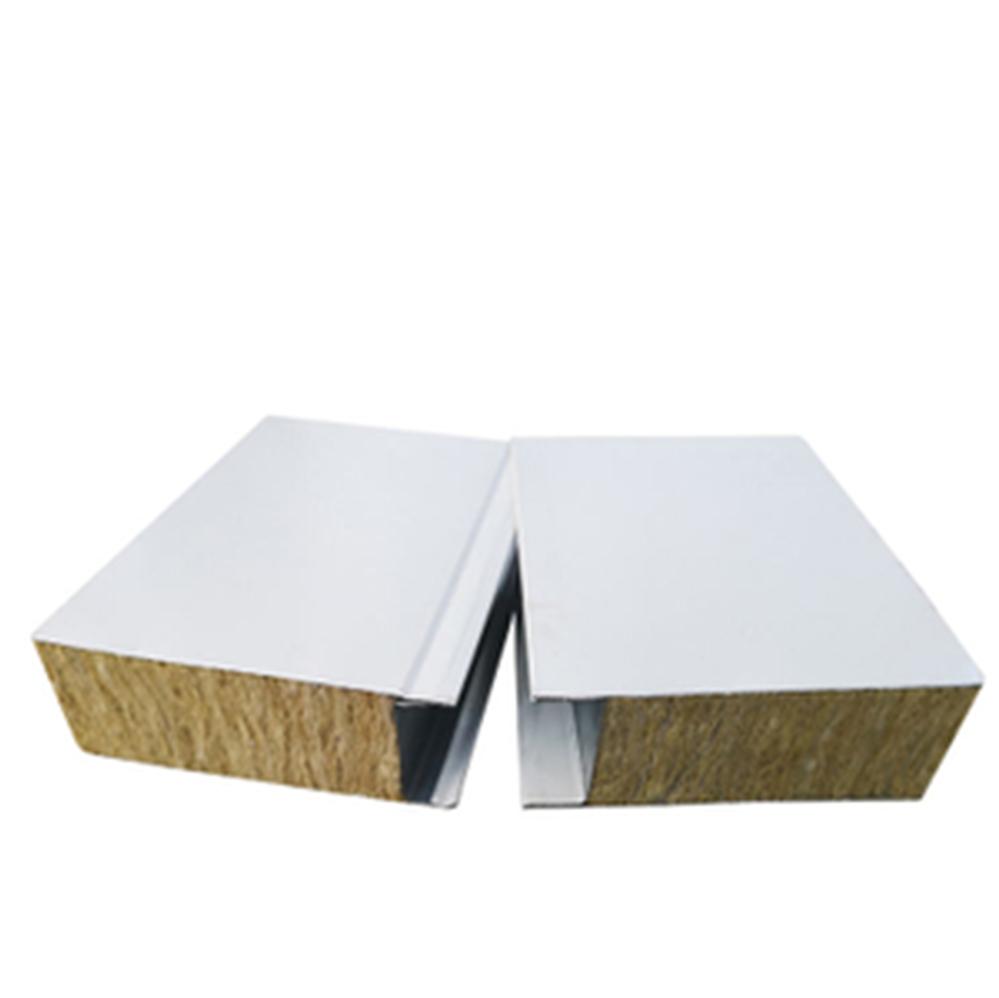
In designing cleanroom panels for use by pharmaceutical companies several factors need to be taken into consideration for their suitability. Rock wool cleanroom panels possess high fire resistance (Class A non‑combustible) and also acoustic properties making them ideal for large industrialized clean rooms. Magnesium oxide cleanroom panels are excellent where great structural integrity, moisture and impact resistance are required, with an outstanding Class A fire rating is critical at any GMI approved pharmaceutical cleanrooms that use high sanitizing frequencies. For environments calling for the highest sanitization, the best selection is stainless steel; steel is fully capable of the required wiping, sanitization and temperatures up to 800°C.
The top surface and facing material are also an important aspect of a cleanroom panels, and anti‑static panels with surface resistance of 10‑10/SQ, prevent electro‑static discharge that would attract particles. For pharmaceutical applications an anti‑static antibacterial gel coat on cleanroom panels offers a non‑shedding, non‑participating high‑gloss surface that can maintain its cosmetic look through constant sanitization.
Cleanroom panels and GMP‑Oriented Facility Design
GMP‑compliant facility design demands that every system and component of the cleanroom assembly contributes to contamination control. Modular cleanroom panels fulfill this duty exceedingly well and handmade panels in particular have set the industry standard within the pharmaceutical arena. The design itself calls for fully customized dimensions, allowing for precise cutting of parts to limit particles that are introduced during construction to the smallest numbers possible while keeping better ceiling capacity with superior ceiling and panel support. These panels are the best system at integration of a doorway or window. Most pharmaceutical applications call for specially designed air‑return wall panels, and cleanroom manufactured and installed modules fit this demand perfectly. Through 3D modeling provided prior to beginning construction, manufacturers are able to determine exact panel measurements.
How to Select cleanroom panels for Pharmaceutical Facilities
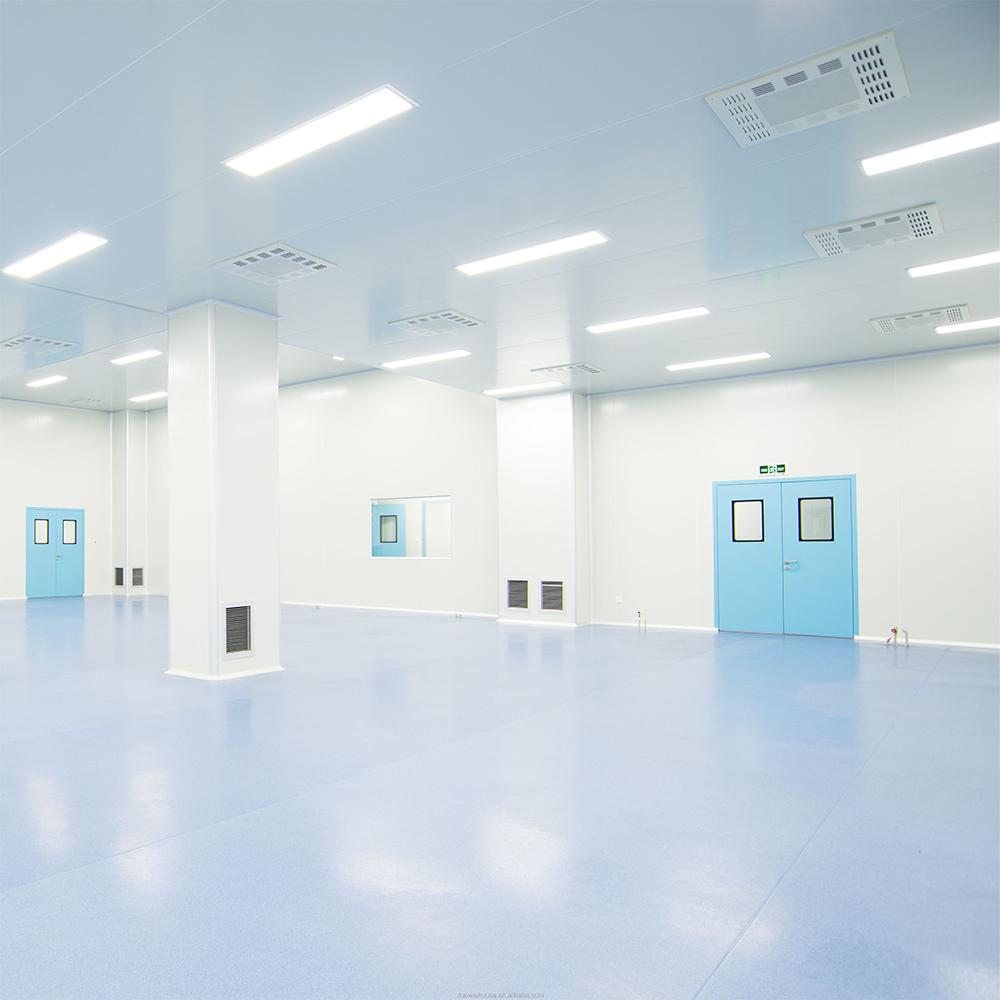
In selecting cleanroom panels for pharmaceutical environments there are several issues to consider including compliance standards, material selection, joining mechanisms of each cleanroom panel and their ability to prevent contamination in the critical space as well as fire safety. It is important that you choose panels that are not only GMP certified but will also hold up to repeated sterilization cycles that would damage lower grade materials. Choosing the correct wall and ceiling material and utilizing the joining systems designed for critical space are just as important as finding the correct doors, windows, and sealing system to seal the room as tight as it possibly can be.
Glostar Solution
At Glostar, we fabricate cleanroom panels that are perfectly engineered to work with pharmaceutical production facilities worldwide. We incorporate any of a variety of core materials‑including rock wool, magnesium oxide, and various composite types‑into our manufactured modular cleanroom panels systems depending on the demands of each particular pharmaceutical site. Our walls feature a tongue‑and‑groove joining system that is incredibly airtight, and a polished, antibacterial surface finish that is able to withstand and resist all required sanitization and sterilization procedures of a pharmaceutical space while still presenting an aesthetically appealing finish and maintaining clean room panel surface integrity throughout thousands of wipe downs and sterilizations each year. The ISO 9001 certified facilities at our intelligent manufacturing plants located in Shandong as well as Anhui make us fully capable of supplying your pharmaceutical cleanroom project.
It's time to meet with our engineers to discuss your specific pharmaceutical cleanroom design needs and find a fully customizable solution to meet GMP specifications for your critical facility. Contact Glostar today for more information or a fast quote on our pharmaceutical GMP‑compliant cleanroom panels systems.
Table of Contents
- One lapse in quality control in a pharmaceutical manufacturing setting cannot be tolerated
- Why Contamination Control Is Critical in Pharmaceutical Manufacturing
- How cleanroom panels Prevent Particle Accumulation
- How Sealed Panel Joints Reduce Contamination Risks
- Which cleanroom panels Materials Are Suitable for Pharma Facilities?
- Cleanroom panels and GMP‑Oriented Facility Design
- How to Select cleanroom panels for Pharmaceutical Facilities
- Glostar Solution