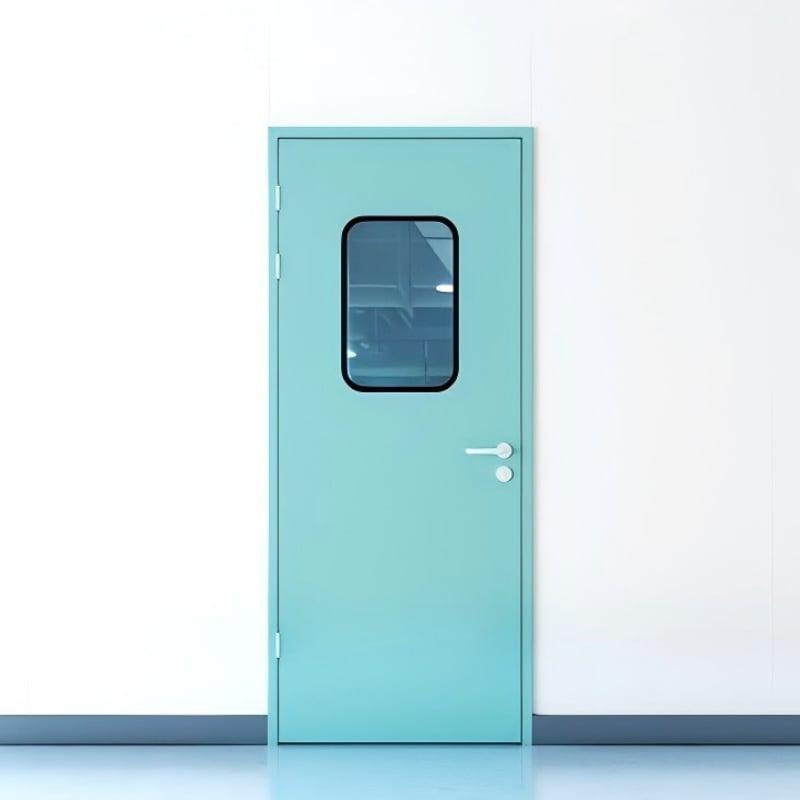
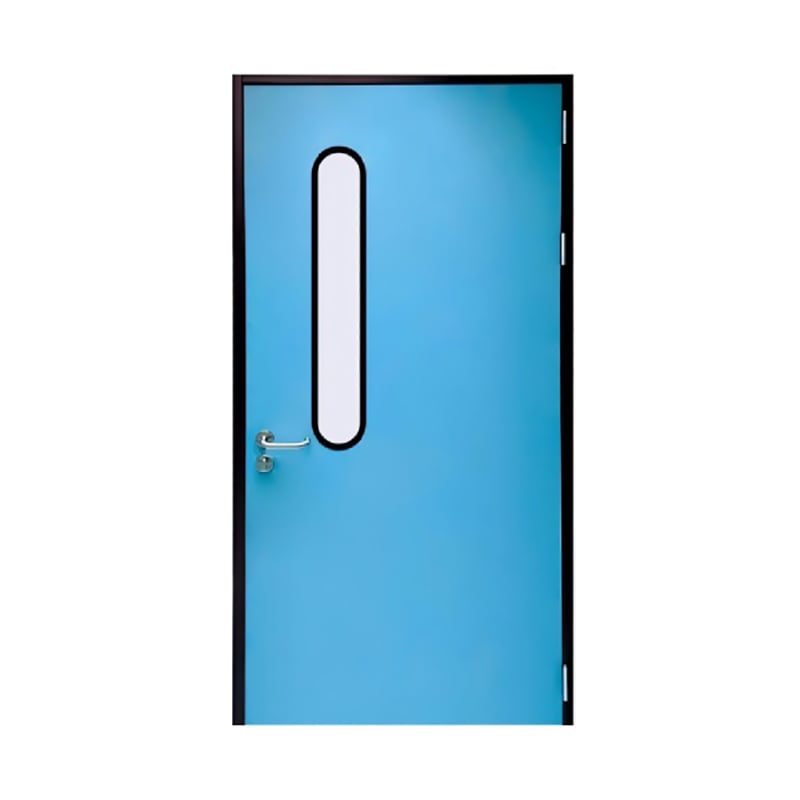
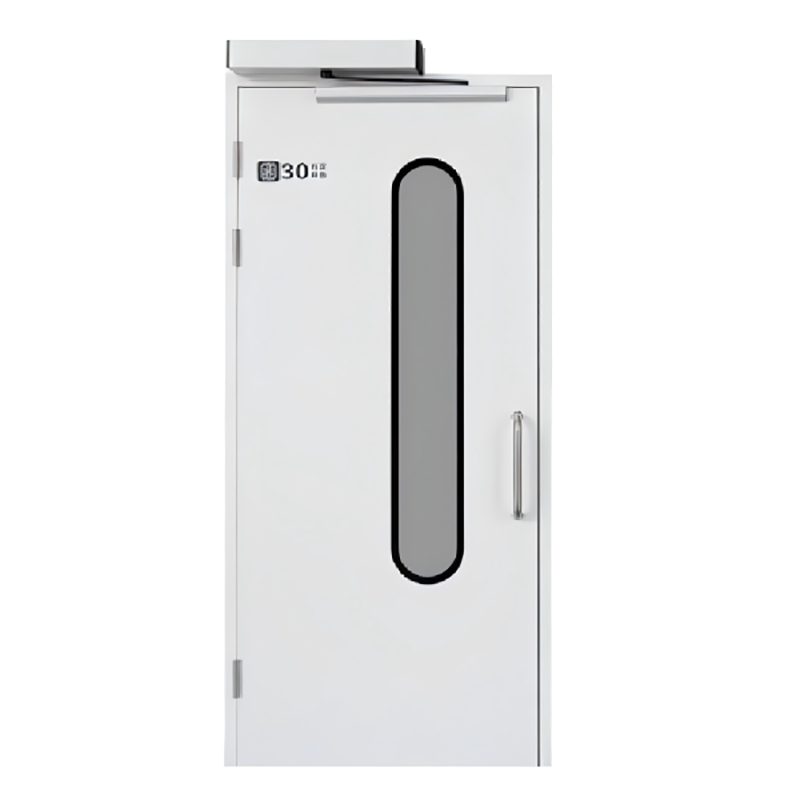
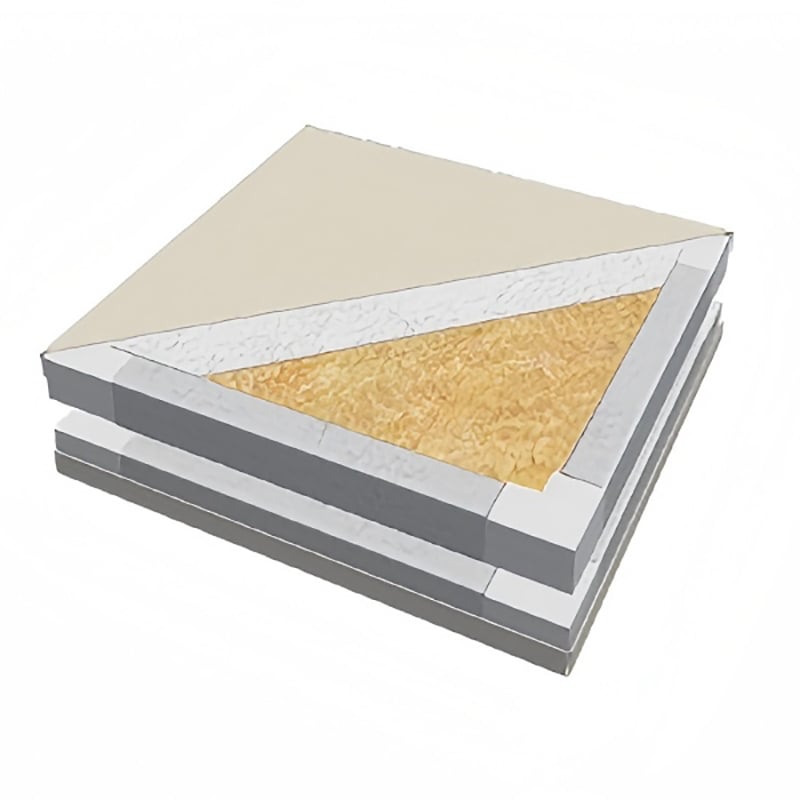
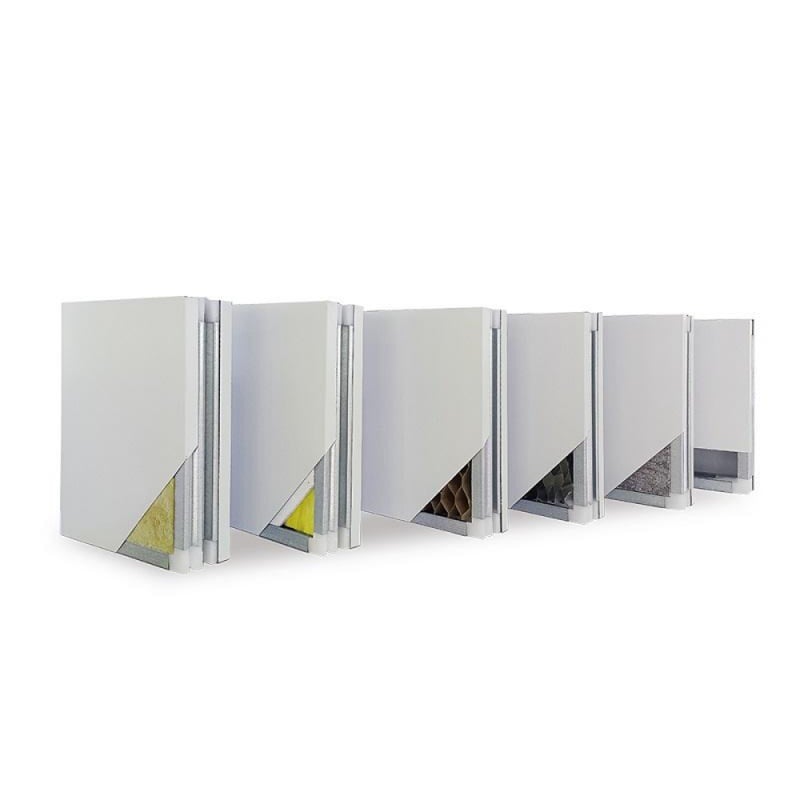
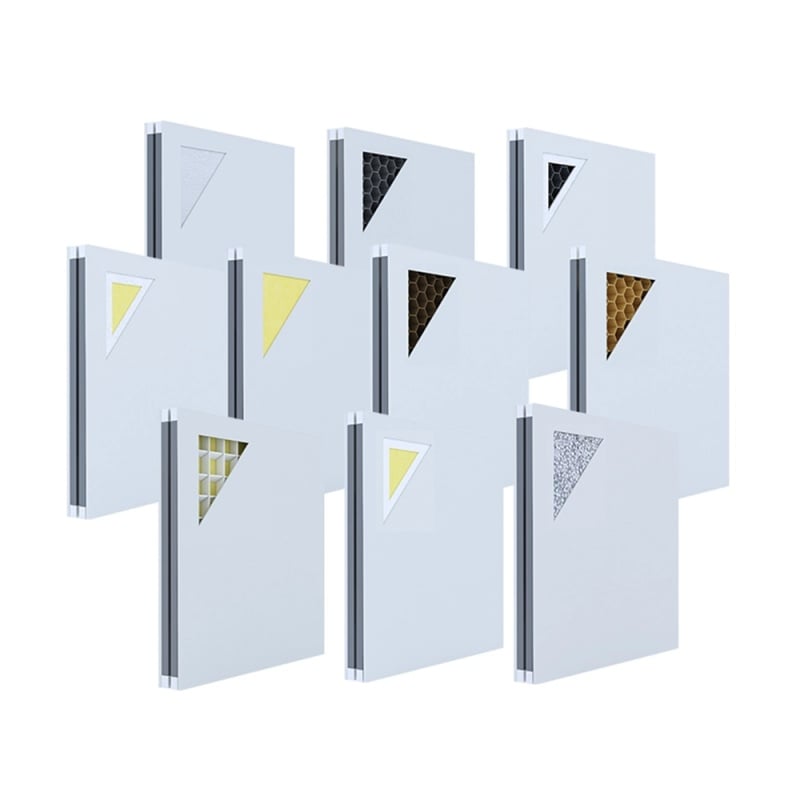
Nella progettazione di cleanroom o impianti industriali di alto livello, l'integrità strutturale è altrettanto importante quanto la resistenza al fuoco e l'isolamento termico. Per le partizioni murali e i soffitti, pannelli per cleanroom in lana di roccia sono lo standard di settore.
Tuttavia, molti appaltatori e responsabili di progetto si trovano di fronte a un dilemma durante la fase di approvvigionamento: scegliere pannelli per cleanroom rinforzati o non rinforzati?
In questo articolo forniremo un'analisi dettagliata delle differenze tra i due tipi in termini di prestazioni strutturali, difficoltà di installazione, efficienza ed economicità, per aiutarvi a prendere una decisione informata nella scelta dei pannelli più adatti.
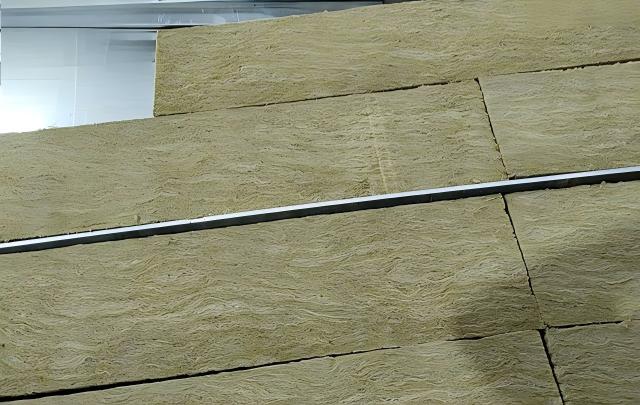
Un pannello in lana di roccia rinforzato si riferisce a un tipo di pannello sandwich dotato di una struttura metallica interna integrata — costituita tipicamente da nastri in acciaio zincato o da montanti in acciaio sottile — posizionata all’interno del nucleo in lana di roccia oppure lungo i bordi del pannello. Questa struttura di rinforzo funge da scheletro portante del pannello, migliorandone in modo significativo la capacità portante, la resistenza flessionale e la massima luce di installazione rispetto ai pannelli standard non rinforzati. Il rinforzo di un pannello per ambienti controllati in lana di roccia prevede l’inserimento di montanti metallici (ad esempio nastri in acciaio zincato o telai in acciaio sottile) o di strati rinforzati con fibre all’interno del pannello o sulla sua superficie; la differenza fondamentale tra questa versione e quella non rinforzata risiede principalmente nelle prestazioni strutturali. Analizzeremo più nel dettaglio le specifiche differenze nelle prestazioni strutturali tra breve; per il momento, diamo un’occhiata rapida alla tabella comparativa riportata di seguito.
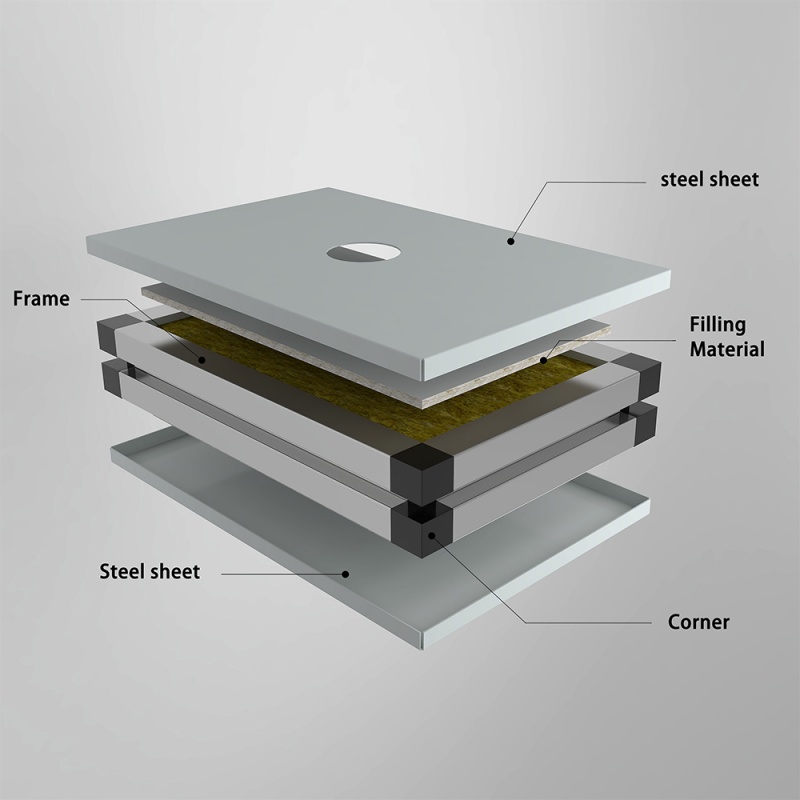
| Specifiche / Caratteristica | Pannello in lana di roccia rinforzato | Pannello in lana di roccia non rinforzato |
| Struttura interna | Lana di roccia + intelaiatura in acciaio zincato | Nucleo esclusivamente in lana di roccia |
| Apertura massima di installazione | 1,5 - 3,0 metri (ideale per ambienti ampi) | ≤ 1,0 metro (richiede supporti frequenti) |
| Capacità di carico concentrato | 50 - 100 kg (Può sostenere luci, canalizzazioni per impianti di climatizzazione) | 0 kg (Non può sopportare carichi aggiuntivi) |
| Peso del pannello | 5% - 10% più pesanti | Leggero |
| Costo iniziale | 15% - 25% più elevati | Costo iniziale inferiore |
| Migliore utilizzo | Soffitti per ambienti in classe di purezza, pareti con grande luce, aree ad alto carico | Piccole partizioni, locali temporanei |
1. Resistenza alla deformazione
2. Capacità portante
3. Difficoltà e efficienza dell’installazione
4. Differenze nelle prestazioni di isolamento acustico e termico
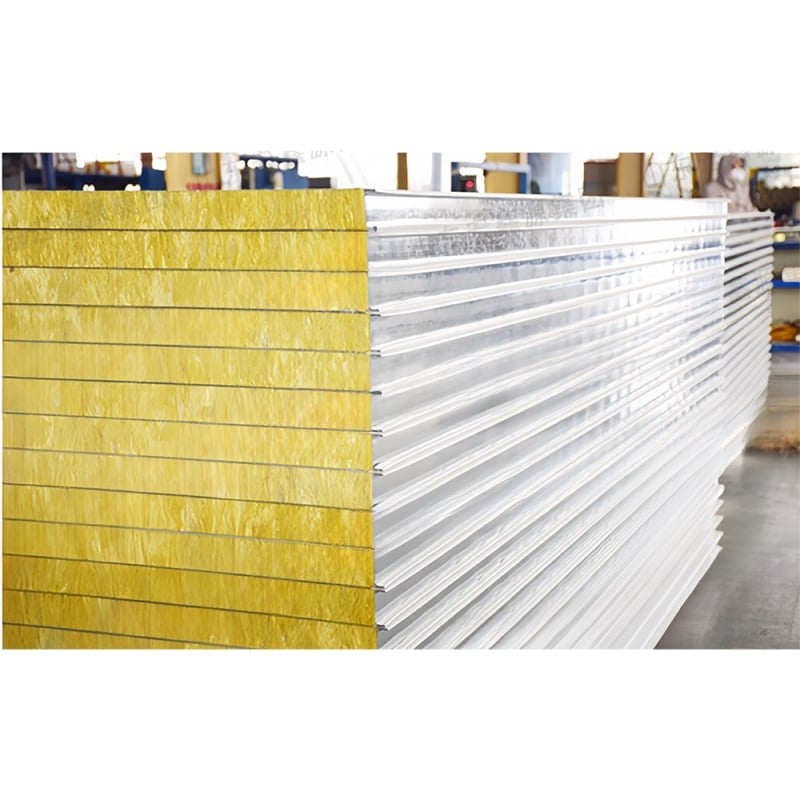
Nella valutazione dei costi, gli acquirenti B2B non devono limitarsi esclusivamente al prezzo iniziale:
Si prega di consultare questo rapido elenco di controllo per aiutarti a prendere la decisione finale:
Scegliere pannelli in lana di roccia rinforzati se si verifica uno dei seguenti casi:
Se si verifica uno dei seguenti casi, scegliere pannelli in lana di roccia non rinforzati:
Scegliere pannelli inadatti può portare a conseguenze catastrofiche, come il crollo del soffitto o addirittura il mancato superamento dell’ispezione della cleanroom. Il nostro team di ingegneri professionisti ti aiuterà a calcolare con precisione la luce specifica e i requisiti di carico per il tuo progetto.
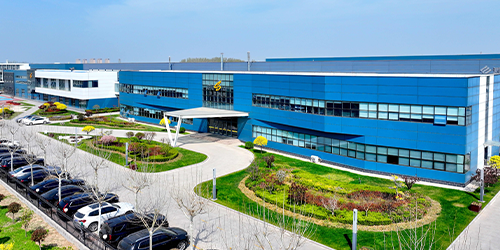
Siamo un produttore diretto specializzato in pannelli per sistemi di purificazione. Se desideri acquistare questi pannelli, non esitare a contattarci: siamo sempre a tua disposizione. Abbiamo inoltre messo a disposizione un video del nostro stabilimento, che puoi visualizzare cliccando sul link YouTube. https://youtu.be/clKxsKLEZvg
 Ultime notizie
2026-09-09
2026-08-14
2026-08-11
2026-08-06
2026-07-30
2026-07-20

Crediamo che, mantenendo elevati standard qualitativi ed abbracciando l'innovazione, possiamo generare cambiamenti trasformativi nell'architettura e costruire un futuro sostenibile per il settore delle costruzioni.
N. 377, Via Gaoqi, Zona ad alta tecnologia, Città di Binzhou, Provincia dello Shandong, Cina
Copyright © Shandong Apex Metal Products Co., Ltd. Tutti i diritti riservati (Glostar New Materials Group) Informativa sulla privacy Blog
 EN
EN