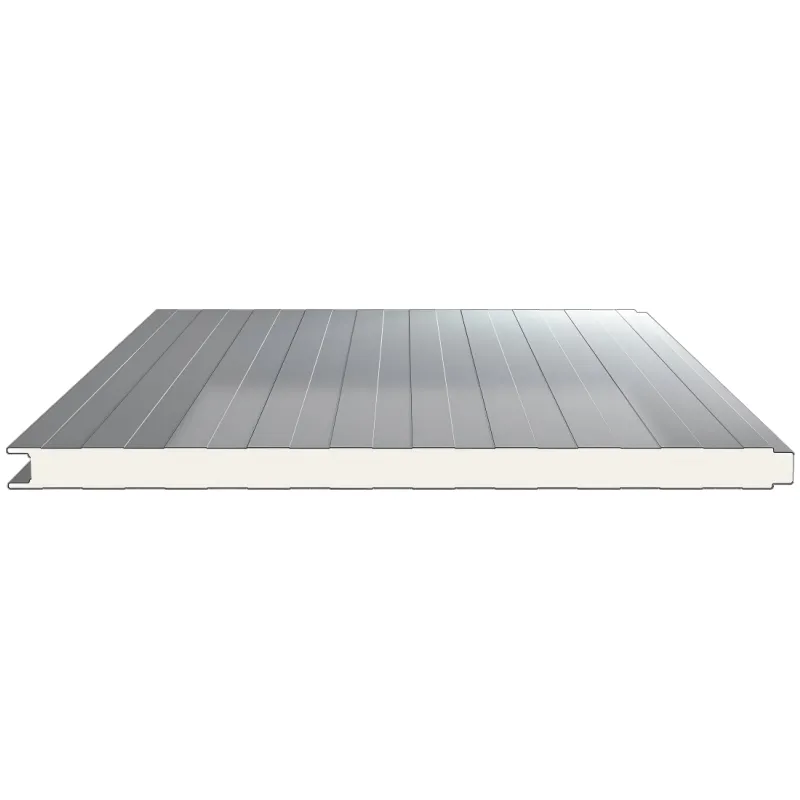
يحدث الجزء الأكبر من المعركة الحرارية على السطح. وتتعرض لوحة الجدار لأشعة الشمس بشكل متقطع، وتكسب فائدة من الظل الذي تلقيه الحواف البارزة والمباني المجاورة وزاوية الشمس طوال اليوم. أما لوحة السطح فتواجه السماء مباشرةً — أي عمودياً على أقصى إشعاع شمسي لساعات متواصلة — وفي المناخات الحارة، تؤدي هذه التعرّض إلى ارتفاع درجات حرارة سطحها بشكل كبير فوق درجة حرارة الهواء المحيط. ومن غير المستغرب أن تصل درجة حرارة السطح الخارجي للوحة سقف معدنية بلون داكن في الإمارات العربية المتحدة أو فيتنام إلى ٧٥–٨٠°م خلال فترة بعد الظهر الصيفية، حتى وإن كانت درجة حرارة الهواء «فقط» ٤٢°م.
يقترب معظم المشترين من لوحة سقف ساندويش المواصفات من خلال طرح سؤال واحد: ما مقدار السُمك المطلوب؟ هذه غريزة صحيحة، لكن السُمك ليس سوى جزءٍ من الإجابة. فالمواد الأساسية تحدد كمية العزل الحراري التي تحصل عليها لكل ملليمتر. أما لون السطح فيحدد كمية الحرارة الشمسية التي تمتصها اللوحة قبل أن تبدأ عملية التوصيل الحراري حتى. أما الاستخدام — سواء كنت تسعى إلى الحفاظ على برودة مستودع بشكل مقبول، أو الحفاظ على غرفة نظيفة لمعالجة الأغذية عند درجة حرارة ١٦°م، أو حماية مستودع الأدوية البارد عند درجة حرارة ٥°م — فهو ما يحدد معنى عبارة «عزل كافٍ» فعليًّا بالنسبة لمشروعك المحدد.
يشرح هذا الدليل كل عاملٍ من هذه العوامل بطريقة منهجية، ويقدّم قيماً مرجعية عملية لأكثر سيناريوهات الاستخدام شيوعاً. وبحلول انتهاء القراءة، ستكون قد اكتسبت القدرة على تحديد مواصفات لوحة سقف م Sandwich ذات أداء حراري كافٍ لتلبية متطلبات مشروعك دون مبالغة في التصميم أو التقليل منه.
قبل أن تتمكن من تحديد ما إذا كان لوّح البولي يوريثان المُعزَّل بسمك ٧٥ مم كافياً أم أنك تحتاج لوّحاً بسمك ١٠٠ مم، يجب أن تفهم ما تعنيه الأرقام المذكورة في ورقة البيانات فعلاً — وما لا تخبرك به.
لامبدا هي الخاصية الأساسية للمادة الأساسية نفسها: كم واط من الحرارة تمر عبر سماكة متر واحد من المادة لكل متر مربع من المساحة ولكل درجة فرق في درجة الحرارة. والوحدة هي واط/متر·كلفن. وكلما كانت القيمة أقل، كانت أفضل — فالقيمة الأقل لـ لامبدا تعني أن المادة تقاوم انتقال الحرارة بكفاءة أكبر.
لامبدا هي ثابت مادي وليس ثابت لوحة. وهي لا تتغير مع السماكة. فإذا كانت رغوة البولي يوريثان المُعزَّزة (PIR) لها قيمة لامبدا تساوي 0.023 واط/متر·كلفن، فإن لوحة PIR بسماكة 50 مم ولوحة PIR بسماكة 150 مم كلاهما تمتلكان نواة ذات نفس قيمة لامبدا — فقط أن اللوحة الأسمك تحتوي على كمية أكبر منها.
| المواد الأساسية | لامبدا λ (وات/متر·كلفن) | درجة حرارية |
|---|---|---|
| PIR (البولي أيزوسايانورات) | 0.022–0.024 | ممتاز — الأفضل لكل ملليمتر |
| PU (البولي يوريثين) | 0.022–0.028 | ممتاز |
| EPS (البوليستيرين الموسع) | 0.036–0.040 | متوسط — مشابه للصوف الصخري |
| الصوف الصخري (الصوف المعدني) | 0.034–0.040 | متوسط — ميزة عدم القابلية للاشتعال |
| الصوف الزجاجي (الألياف الزجاجية) | 0.030–0.038 | متوسط — على شكل ألواح مرنة |
قيمة U هي خاصية تتعلق باللوحة ككل: كمية الحرارة التي تمر عبر تجميع اللوحة الكامل — أي طبقتي الفولاذ المعدني الخارجية والداخلية بالإضافة إلى الطبقة الوسطى — لكل متر مربع ولكل درجة من فرق درجة الحرارة بين الجانبين الداخلي والخارجي. وحدة القياس هي واط/م²·كلفن. وكلما كانت القيمة أقل، كانت الأداء أفضل. وتُحدد قيمة U عند التصميم؛ أما معامل التوصيل الحراري (λ) فيُستخدم لحسابها.
العلاقة بينهما تقريبية على النحو التالي: U ≈ λ ÷ السماكة (بالأمتار) وبالنسبة للطبقة الوسطى، مع تعديل يراعي مساهمة طبقتي الفولاذ المعدني (والتي تضيف عادةً ما بين 0.05 و0.10 واط/م²·كلفن إلى قيمة U مقارنةً بالحساب الذي يقتصر على الطبقة الوسطى فقط). وهذا يعني أن:
قيمة R هي معكوس قيمة U: R = 1/U. وتُستخدم هذه القيمة بشكل أكثر شيوعًا في المواصفات الشمال أمريكيّة. وكلما زادت قيمة R، تحسّنت كفاءة العزل الحراري. فعلى سبيل المثال، لوحة سقف من مادة البولي يوريثان المُستخدمة في العزل (PIR) بسماكة ١٠٠ مم وقيمة U تساوي ٠٫٢٣ واط/م²·كلفن، فإن قيمتها R تبلغ نحو ٤٫٣٥ م²·كلفن/واط، أو ما يعادل تقريبًا R-٢٥ وفق الوحدات الأمريكية/الإمبريالية. وعند مقارنة الألواح وفق مواصفات تستخدم أنظمة قياس مختلفة، فيجب تحويل القيم إلى وحدة قياس واحدة متسقة قبل إجراء المقارنة.
قيدٌ مهمٌّ مترتِّب على قيمة U: إن قيمة U تأخذ في الحسبان فقط انتقال الحرارة بالتوصيل والحمل الحراري عبر اللوحة، ولا تشمل اكتساب الحرارة الإشعاعية الشمسية — أي الحمل الحراري الإضافي الناتج عن سقوط أشعة الشمس المباشرة على السطح الخارجي الفولاذي. وفي المناخات الحارة، قد تهيمن الحرارة الناتجة عن الإشعاع الشمسي على الحمل الحراري الكلي للسقف، مما يعني أن لوحةً ذات قيمة U ممتازة ولكنها ذات سطح داكن قد تؤدي أداءً أقل من لوحة ذات قيمة U متوسطة لكن سطحها فاتح اللون وعالي الانعكاس. راجع القسم ٢ والقسم ٧ لمعرفة كيفية أخذ هذا العامل في الاعتبار.
الحساب الحراري القياسي للوحة السقف — وهو قيمة معامل التوصيل الحراري (U-value) مضروبة في فرق درجة الحرارة مضروبة في المساحة — يُعطيك تدفق الحرارة الثابت عبر اللوحة، على افتراض أن درجة حرارة السطح الخارجي تساوي درجة حرارة الهواء المحيط. أما في المباني الواقعية المعرضة مباشرةً لأشعة الشمس، فإن هذا الافتراض يكون خاطئًا بنسبة كبيرة، وتزداد هذه الخطأ كلما ارتفعت درجات الحرارة وازدادت شدة أشعة الشمس في المناخ.
يأخذ المهندسون الإشعاع الشمسي في الاعتبار باستخدام مفهوم «درجة حرارة الهواء الشمسية» أو «درجة حرارة الهواء-الشمسية»، وهي درجة الحرارة المكافئة للهواء التي تُنتج نفس كمية الحرارة المكتسبة الناتجة عن التركيب الفعلي لدرجة حرارة الهواء المحيط بالإضافة إلى الإشعاع الشمسي. ففي يوم صيفي صافٍ في منطقة الشرق الأوسط، حيث تبلغ درجة حرارة الهواء المحيط ٤٢°م، يمكن أن تصل درجة الحرارة الشمسية لسطح معدني أفقي داكن اللون ومعامل امتصاصه الشمسي ٠,٩٠ إلى ما بين ٧٠ و٧٥°م. وهذه الدرجة هي ما يُحرّك انتقال الحرارة عبر السقف، وليس درجة الحرارة المحيطة البالغة ٤٢°م.
النتيجة العملية: إذا حددت لوحة سقفك استنادًا إلى فرق درجة حرارة قدره ٤٢°م–٢٢°م (بين الخارج والداخل)، فأنت في الواقع تصمّم لفرق درجة حرارة قدره ٧٠°م–٢٢°م خلال الساعات التي تصل فيها الأحمال الشمسية إلى ذروتها. وهذا يعني أن الفرق الفعلي في درجات الحرارة يبلغ ٤٨°م، مقارنةً بالفرق المفترض البالغ ٢٠°م — أي خطأ عامله ٢,٤ في حساب حمل الحرارة. وبالتالي، فإن القيمة المطلوبة لمعامل الانتقال الحراري (U-value) للحفاظ على نفس درجة الحرارة الداخلية تكون أقلَّ بشكلٍ متناسبٍ مما تقترحه الحسابات الأولية، ما يعني أنك تحتاج إما إلى لوحة عزل أفضل أو إلى سطح بلون أفتح (أو كليهما معًا).
مؤشر الانعكاس الشمسي (SRI) هو مقياس مركب لقدرة السطح على رفض الحرارة الشمسية، ويجمع بين الانعكاس الشمسي (أي كمية الإشعاع الشمسي التي يعكسها السطح) والإشعاع الحراري (أي مدى سهولة إعادة السطح للحرارة الممتصة إلى السماء). ويتراوح مؤشر الانعكاس الشمسي من ٠ (أقصى امتصاص للحرارة، مثل الطلاء الأسود) إلى أكثر من ١٠٠ (أقصى انعكاس شمسي، مثل الأسطح البيضاء اللامعة). وكلما زادت قيمة مؤشر الانعكاس الشمسي، انخفضت درجة حرارة سطح السقف تحت نفس الحمل الشمسي.
عادةً ما يحقق لوّح سقف فولاذي مغلف بطبقة من مادة PVDF بيضاء أو فاتحة اللون مؤشر انعكاس شمسي يتراوح بين ٧٨ و١٠٠. أما اللوّح القياسي بلون رمادي متوسط فيحقق مؤشر انعكاس شمسي يتراوح بين ٢٥ و٤٥. وقد يكون اللوّح المعدني الداكن اللون أو غير المطلي مؤشر انعكاس شمسي يتراوح بين ٥ و٢٠. ويمكن أن تصل الفروقة في درجة حرارة السطح تحت أقصى حمل شمسي بين لوّح أبيض ذي مؤشر انعكاس شمسي قدره ١٠٠ ولوّح داكن اللون ذي مؤشر انعكاس شمسي قدره ١٠ إلى ٢٥–٣٥°م — وهي فروقة حرارية غالبًا ما تكون أكبر من الفروقة بين استخدام عزل من مادة PIR بسماكة ٧٥ مم وسماكة ١٠٠ مم.
لهذا السبب، فإن اختيار اللون في لوحة السقف المركبة ليس مجرّد قرار جمالي فحسب، بل هو أحد أكثر القرارات تأثيرًا من الناحية الحرارية في مواصفات السقف في المناخات الحارة، وقد تكون آثاره أكبر من الترقية من لوحة بسماكة ٧٥ مم إلى لوحة بسماكة ١٠٠ مم.
يتم عادةً اختيار المادة الأساسية للوحة سقف مركبة بناءً على ثلاثة عوامل مرتبة حسب الأهمية: متطلبات التصنيف من حيث مقاومة الحريق، ومتطلبات الأداء الحراري، والتكلفة. ويختلف تطبيق اللوحات في السقف عن تطبيقها في الجدران من ناحيةٍ مهمة واحدة: فلوحات السقف تتعرض لتقلبات أكبر في درجات الحرارة (أعلى حرارةً خلال النهار، وأقل حرارةً ليلاً)، وقد تتعرّض لأحمال مشي أثناء عمليات الصيانة، ما يؤثر في المتطلبات الإنشائية ومتطلبات المتانة للمادة الأساسية.
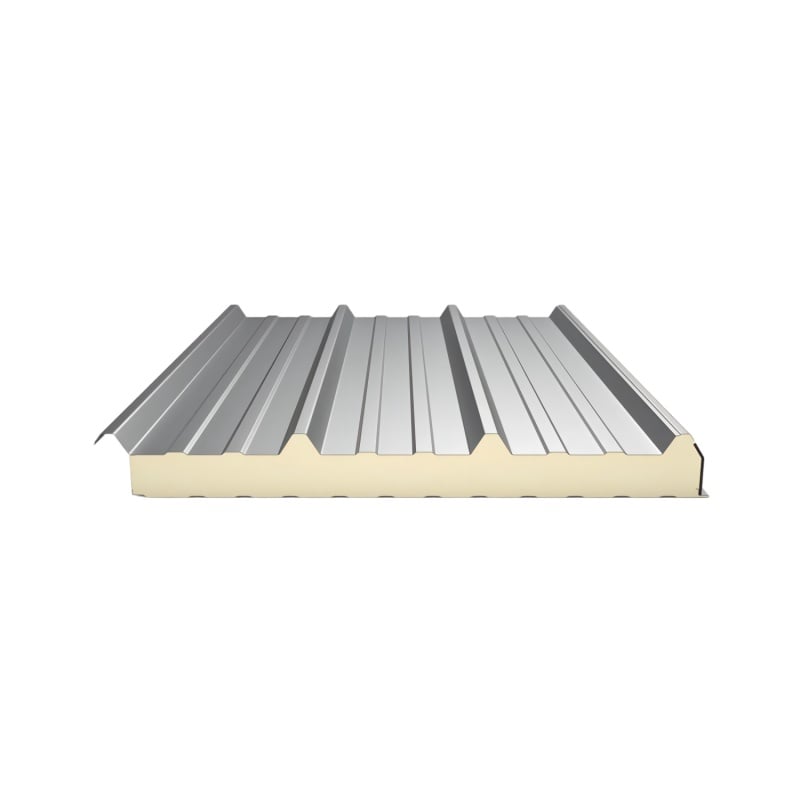
تُعَدّ رغوة البولي أيزوسيانورات (PIR) القلب المفضل للوحات السقف المركبة عالية الأداء على مستوى العالم. وتتميّز هذه الرغوة بقيمة لامبدا تتراوح بين ٠,٠٢٢ و٠,٠٢٤ واط/متر·كلفن، وهي أفضل قيمة متاحة في اللوحات ذات التصاق مستمر، كما تحافظ على قيمتها العازلة عند درجات الحرارة المرتفعة بشكل أفضل من رغوة البولي يوريثان (PU) القياسية، وبجانب ذلك فإن طبقة الكربنة التي تتشكّل عند ظروف الحريق تكون أكثر استقراراً مقارنةً برغوة البولي يوريثان القياسية، ما يمنحها ميزة طفيفة لكنها ذات دلالة في السلوك أثناء الحريق. وتُعدّ رغوة البولي أيزوسيانورات (PIR) المواصفة المفضلة لمباني قطاعي الأدوية والأغذية، حيث يُولى الأداء الحراري أولوية قصوى، ولا تشترط لوائح الوقاية من الحريق استخدام مواد غير قابلة للاشتعال في الغلاف الخارجي.
عاملٌ واحدٌ خاصٌ بالمناخات الحارة: قد تتعرض رغوة البولي يوريثان المُعزَّزة (PIR) لبعض التقدم الحراري طويل الأمد عند درجات الحرارة المرتفعة المستمرة، ما يؤدي تدريجيًّا إلى ازدياد قيمتها اللامبدية (lambda) على مدى عقود من التشغيل. وتقلِّل تركيبات رغوة الـ PIR الممتازة من هذا التقدُّم الحراري؛ بينما قد تظهر تركيبات أقل تكلفة انحرافًا حراريًّا أكثر وضوحًا. ولتطبيقات الأسقف في المناخات الحارة جدًّا (حيث تتجاوز درجات حرارة السطح الخارجي ٧٠°م باستمرار)، فإن تحديد كثافة دنيا للرغوة تبلغ ٤٠ كجم/م³ ومحتوى خلايا مغلقة لا يقل عن ٩٢٪ يساعد في ضمان الاستقرار الحراري طويل الأمد.
تُغطّي رغوة البولي يوريثان القياسية (PU) الغالبية العظمى من تطبيقات ألواح السقف الم Sandwich على مستوى العالم. وتتماثل أداؤها الحراري مع أداء مادة البولي إيزوسيانورات (PIR) في معظم الاستخدامات العملية (معامل التوصيل الحراري بين 0.024 و0.028 واط/متر·كلفن للمنتجات عالية الجودة)، وهي متوفرة على نطاق واسع من شركات تصنيع راسخة، كما أن تكلفتها أقل من تكلفة مادة PIR. وفي المستودعات الصناعية ومراكز اللوجستيات والمباني التجارية والمنشآت الزراعية التي يسمح فيها نظام الوقاية من الحريق ببناء أسقف قابلة للاشتعال، تُعتبر رغوة PU المواصفة القياسية.
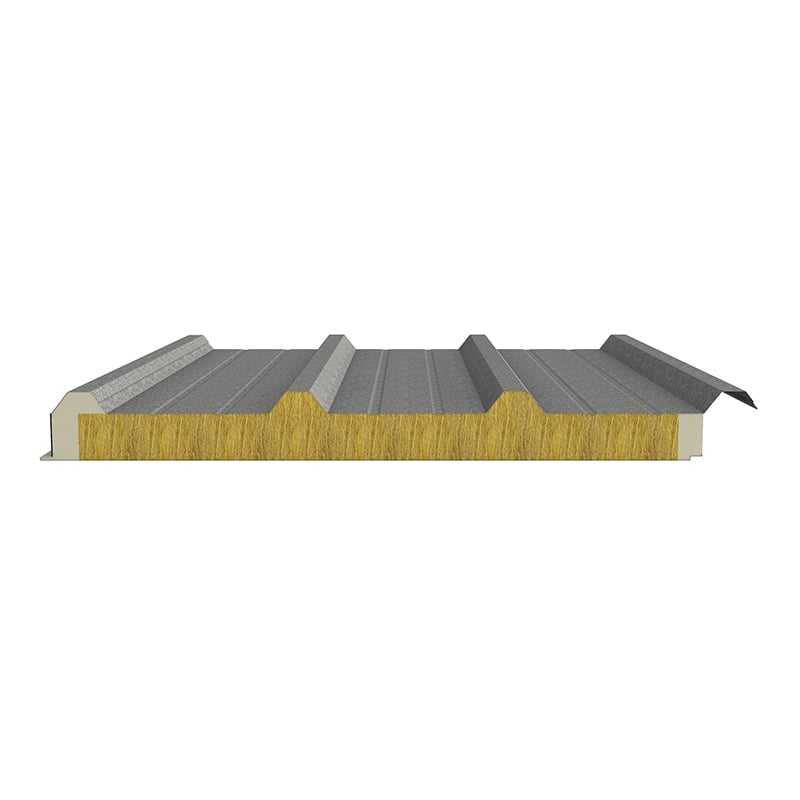
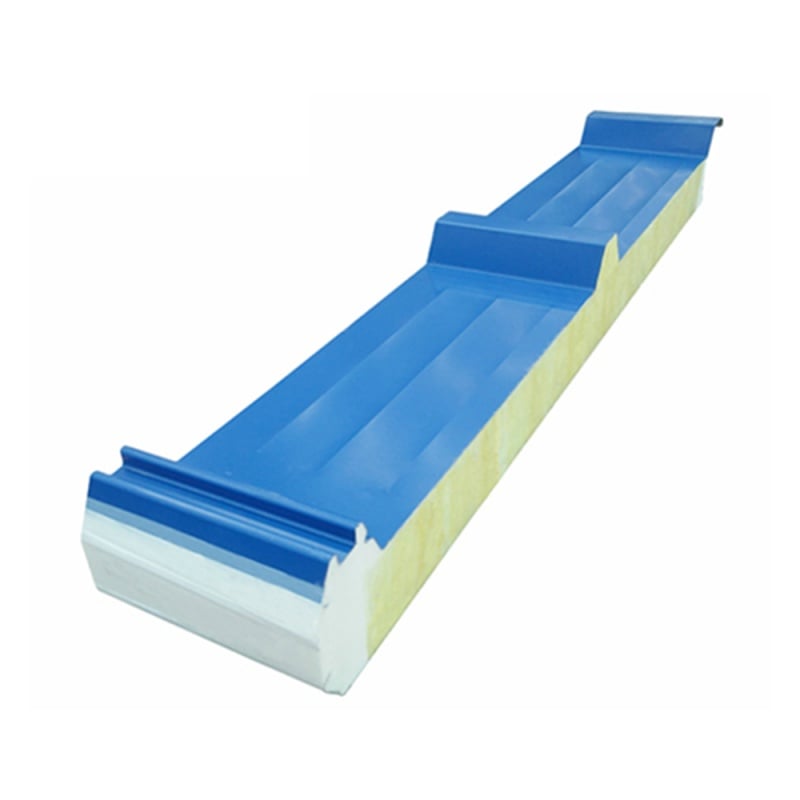
تحصل ألواح السقف المصنوعة من صوف الصخور على تصنيف مقاومة الحريق من الفئة A1 غير القابلة للاشتعال، ما يجعلها المواصفة المطلوبة في الحالات التي تفرض فيها لوائح السلامة من الحرائق المحلية أو أنظمة البناء المحلية استخدام سقف غير قابل للاشتعال. ويتسم التنازل المتعلق بالأداء الحراري بالوضوح الكبير — إذ تتراوح قيمة معامل التوصيل الحراري (لامبدا) لصوف الصخور بين 0.034 و0.040 واط/متر·كلفن، وهي أدنى بنسبة 60% تقريبًا مقارنةً ببولي يوريثان مُرقَّب (PIR)، ما يعني أنك تحتاج إلى سماكة أكبر بنسبة 60% تقريبًا لتحقيق نفس مستوى العزل الحراري. وفي المباني التي تشترط استخدام سقف من الفئة A1 (مثل بعض المرافق الصيدلانية والمستشفيات وبعض أنواع المباني التجارية وفق أنظمة البناء الأوروبية)، فإن هذا البند يُعد ببساطة قيدًا لا بد من الالتزام به. كما تُستخدم ألواح سقف صوف الصخور أيضًا نظرًا لخصائصها الصوتية — حيث إن هيكلها الليفي يمتص الصوت بكفاءة أعلى من الرغوة ذات الخلايا المغلقة، وهي ميزة قد تكون ذات صلة في المباني التي يشكل فيها ضجيج الأمطار على السقف مصدر قلق.
يُعَدّ البوليستيرين الموسّع (EPS) أرخص قلبٍ لألواح السقف الم Sandwich، ويؤدي أداءً مقبولًا في المناخات المعتدلة للتطبيقات غير الخاضعة للوائح التنظيمية. أما أهم قيدٍ يواجهه في تطبيقات أسقف المناطق الحارة فهو حدّ درجة حرارة التشغيل القصوى، الذي يبلغ حوالي ٧٥–٨٠°م؛ إذ يبدأ القلب بالليونة والانزلاق عند اقتراب درجات الحرارة السطحية المستمرة من هذا الحد. وفي منطقة الشرق الأوسط أو جنوب شرق آسيا أو أفريقيا الاستوائية، قد تقترب ألواح الأسقف المصنوعة من البوليستيرين الموسّع (EPS) تحت أقصى حمل شمسي من حدّ درجة حرارة التشغيل الخاص بها، ما يؤدي إلى تشوه انزلاقي تدريجي في شكل اللوح مع مرور الزمن. ولذلك، يُفضَّل استخدام البولي يوريثان المُحسَّن (PIR) أو البولي يوريثان (PU) بدلًا من البوليستيرين الموسّع (EPS) في المشاريع المقامة في المناخات الحارة، بغضّ النظر عن متطلبات تصنيف مقاومة الحريق.
 |
 |
 |
العلاقة بين المناخ وعزل السقف المطلوب ليست علاقة خطية. فهي لا تقتصر على أن «كلما ازدادت حرارة المناخ زاد سمك اللوح». بل إن هناك ثلاث معايير مناخية منفصلة تؤثر كلٌّ منها بشكل مستقلٍّ على المواصفات المطلوبة، ويكتسب فهم التفاعل الصحيح بين هذه المعايير أهمية أكبر من الاعتماد على أي رقم منفرد.
تتصف هذه المناخات بارتفاع شديد في درجات الحرارة المحيطة، وإشعاع شمسي كثيف، ورطوبة منخفضة. ويكون الحمل الحراري السائد ناتجًا عن اكتساب الحرارة الشمسية على سطح السقف. وأكثر الاستجابات فعالية، حسب ترتيب التأثير: (١) سطح سقف مصنوع من مادة بي في دي إف بيضاء أو فاتحة اللون لتقليل امتصاص الإشعاع الشمسي، (٢) قلب عازل من البولي يوريثان (PU) أو البولي إيزوسيانورات (PIR) لتحقيق أقصى مقاومة حرارية لكل ملليمتر، (٣) سمك كافٍ لتحقيق القيمة المستهدفة لمعامل الانتقال الحراري (U-value) وفقًا للشرط الداخلي المطلوب. أما المباني المصممة فقط لراحة الإنسان (مثل المستودعات والمكاتب ومحال البيع بالتجزئة)، فعادةً ما تستهدف معامل انتقال حراري للسقف لا يزيد عن ٠,٣٥–٠,٤٥ واط/م²·كلفن. أما التطبيقات التي تتطلب التحكم في درجة الحرارة (مثل الغرف الباردة ومستودعات الأدوية)، فهي تتطلب معاملات انتقال حراري أقل بكثير.
تُشكِّل مزيج درجات الحرارة المرتفعة والرطوبة العالية والأمطار المتكررة تحديًا أكثر تعقيدًا في مجال العزل. وتكون الإشعاعات الشمسية شديدة لكنها غير منتظمة (فالتغطية السحابية تخفف من ذروة المكاسب الحرارية الشمسية مقارنةً بالمناخات الجافة). وبسبب الرطوبة العالية، فإن أي جسر حراري أو نقطة تكثّف في لوحة السقف أو في وسائل تثبيتها قد يؤدي مع مرور الوقت إلى تراكم الرطوبة. وللهذا النوع من المناخ: يُوصى باستخدام لوح عازل ذي قلب من البولي إيزوسيانورات (PIR) أو البولي يوريثان (PU) (لأن بنيته الخلوية المغلقة تقاوم امتصاص الرطوبة)، وقاعدة من الفولاذ المغلفن المُعالَج بالألومينيوم والزنك (Galvalume) (لما يتمتع به من مقاومة أفضل لتآكل الهواء المالح في المناطق الساحلية)، مع إيلاء اهتمام خاص لإجراءات العزل المائي عند مفاصل الألواح (إذ إن شدة الأمطار الاستوائية تُشكل تحديًا كبيرًا للوصلات غير المُصمَّمة بدقة على أسطح المباني).
تُحدَّد متطلبات العزل بشكل رئيسي استنادًا إلى استهلاك الطاقة للتدفئة في فصل الشتاء، وليس للتبريد في فصل الصيف. والشاغل الرئيسي هو الاحتفاظ بالحرارة داخل المبنى بدلًا من منع دخول الحرارة إليه. وعادةً ما تُحدَّد سماكة اللوحات وفقًا لقيمة معامل انتقال الحرارة (U-value) المطلوبة في لوائح كفاءة الطاقة للمباني الخاصة بالسقف (والتي تتراوح عادةً بين ٠,١٥ و٠,٢٥ واط/م²·كيلفن وفق اللوائح الأوروبية). ولا تُعَدُّ المكاسب الشمسية على السقف ذات أهمية بالغة، لأن زوايا أشعة الشمس تكون أقل، وشدة الإشعاع الشمسي أقل، كما قد يستفيد المبنى فعليًّا من بعض المكاسب الشمسية في فصل الشتاء. ويُفضَّل استخدام الأسطح الداكنة أو المتوسطة اللون في المناخات المعتدلة أكثر من استخدامها في المناخات الاستوائية.
متطلبات عزل عالية جدًّا ناتجة عن أحمال التدفئة الشتوية والحاجة إلى منع التكثف على الأسطح الداخلية للسقف. ويُعتبر البولي إيزوسيانورات (PIR) أو البولي يوريثان (PU) بأقصى سماكة متوفرة هو المعيار المتبع. وتكتسب إدارة حاجز البخار أهمية بالغة: إذ يجب ألا يسمح للهواء الدافئ الرطب من الداخل بالوصول إلى السطح الخارجي الفولاذي البارد، حيث سيتكثَّف. وينبغي أن تشكِّل الطبقة الفولاذية الداخلية وجميع الثقوب جزءًا من طبقة التحكم في بخار الماء، مع إغلاق جميع المفاصل لمنع التكثُّف بين الطبقات داخل تجميع اللوح.
| نوع المناخ | ال worry الأساسي | التوصية الأساسية | لون السطح | الحد الأدنى للسماكة (PIR) |
|---|---|---|---|---|
| حار وجاف | الكاسب الحراري الناتج عن أشعة الشمس، وحمل التبريد | بولي إيزوسيانورات (PIR) أو بولي يوريثان (PU) | أبيض / رمادي فاتح ✓ | 100 مم |
| حار ورطب | الكاسب الحراري الناتج عن أشعة الشمس + الرطوبة | بولي إيزوسيانورات (PIR) أو بولي يوريثان (PU) (ذو خلايا مغلقة) | تُفضَّل الألوان الفاتحة | 75–100 مم |
| معتدل | فقدان الحرارة في فصل الشتاء | بولي يوريثان أو بولي إيزوسيانورات | أي نوع (حسب ما تسمح به التعليمات التنظيمية) | ٨٠–١٢٠ مم |
| زكام | فقدان الحرارة + التكثّف | بولي إيزوسيانورات (أقصى استقرار ممكن لمعامل التوصيل الحراري λ) | أي | ١٢٠–١٦٠ مم |
تختلف المتطلبات الحرارية المفروضة على لوحة السقف باختلاف الاستخدامات، وفيما يلي تقسيم عملي حسب نوع المبنى، مع أهداف معامل الانتقال الحراري (U-value) النموذجية وتوجيهات سماكة عزل البولي إيزوسيانورات المناسبة للمناخات الحارة.
إليك منهجية منهجية لاختيار سماكة اللوح المناسبة لأي ظرف مشروع. هذه ليست حسابات هندسية كاملة — فذلك يتطلب بيانات مناخية، وجداول ازدحام المبنى، وخصائص نظام التدفئة والتهوية وتكييف الهواء (HVAC)، وتحليل الامتثال للمواصفات المحلية — لكنها تُرشدك إلى الترتيب الصحيح للقيمة التقريبية قبل استشارة خبير أنظمة الميكانيكا والكهرباء والسباكة (MEP).
ليست درجة الحرارة المُبرمَجة، بل أعلى درجة حرارة داخلية مقبولة تحت أقصى حمل. ففي مستودع: غالبًا ما تكون ٣٥°م مقبولة. وفي مكتب: ٢٤°م. وفي غرفة باردة: +٦°م. وفي غرفة مُجمَّدة: -٢٠°م. وهذا يُحدِّد فرق درجة الحرارة المطلوب الذي يجب أن يحافظ عليه العزل.
للمناخ الحار، استخدم درجة حرارة الهواء الجاف المُصمَّمة وفق معايير ASHRAE أو ما يعادلها لموقعك (أي درجة الحرارة التي تُتجاوز فقط خلال ١٪ أو ٢٫٥٪ من الساعات سنويًّا). وفي منطقة الشرق الأوسط، تتراوح هذه الدرجة عادةً بين ٤٤ و٤٨°م. أما في جنوب شرق آسيا، فتتراوح بين ٣٦ و٤٠°م. وهذه هي درجة حرارة الهواء الابتدائية — لكن تذكَّر أنك تحتاج إلى إضافة درجة الحرارة المكافئة للكسب الشمسي عند حساب الأحمال الحرارية للسقف.
للسقف الداكن، أضف ٢٥–٣٥°م إلى درجة حرارة الجو الخارجية المُصمَّمة للحصول على الحمل الحراري الفعّال. أما للسقف الأبيض المصنوع من مادة PVDF (مع معامل الانعكاس الشمسي SRI ≥ ٨٥)، فأضف ٥–١٠°م. وهذه تعديلات مبسَّطة؛ أما الحساب الشمسي الكامل فيستخدم صيغة درجة حرارة الهواء-الشمس (sol-air temperature) ويأخذ في الاعتبار ميل السقف وتوجُّهه.
هذا يتطلب معرفة سعة نظام التدفئة والتهوية وتكييف الهواء (HVAC) الخاص بك ومجموع كسب الحرارة للمبنى من جميع المصادر (الجدران، السقف، الزجاج، الأحمال الداخلية، التهوية). ولحساب تقريبي يقتصر على السقف فقط: معامل الانتقال الحراري المطلوب (U) ≈ (سعة تبريد نظام HVAC المخصصة للسقف) ÷ (فروق درجة الحرارة الفعّالة × مساحة السقف). ويقوم مهندس أنظمة الميكانيكا والكهرباء (MEP) أو أداة نمذجة الطاقة بإجراء هذه الحسابات بدقة.
السمك المطلوب (بالملليمتر) ≈ التوصيلية الحرارية (λ) ÷ معامل الانتقال الحراري المطلوب (U) × ١٠٠٠. مثال: معامل انتقال حراري مستهدف قدره ٠٫٢٢ واط/م²·كيلفن مع لب من البولي يوريثان المُعزَّز (PIR) (λ = ٠٫٠٢٣): السمك ≈ ٠٫٠٢٣ ÷ ٠٫٢٢ × ١٠٠٠ = ١٠٥ ملليمتر. ويُستحسن تقريب الناتج لأقرب سمك قياسي متاح (في هذه الحالة، إما ١١٠ أو ١٢٠ ملليمتر حسب التوفر). كما يُنصح بإضافة هامش بنسبة ١٠–١٥٪ لمراعاة العوامل الواقعية أثناء التركيب (مثل الجسور الحرارية عند نقاط التثبيت والوصلات وغيرها).
مرجع سريع: سماكات مواد البولي يوريثان المُعزَّز (PIR) والصوف الصخري لتحقيق معاملات انتقال حراري (U-value) شائعة
| معامل الانتقال الحراري المستهدف | سمك مادة البولي يوريثان المُعزَّز (PIR) | سمك مادة البولي يوريثان (PU) | سمك الصوف الصخري |
|---|---|---|---|
| ٠٫٤٥ واط/م²·كيلفن | 50 مم | 60 mm | 80 مم |
| ٠٫٣٥ واط/م²·كيلفن | 65 MM | 80 مم | 100 مم |
| 0.25 واط/م²·كيلفن | 90 mm | 110 مم | 140 مم |
| 0.20 واط/م²·كيلفن | 115 مم | 140 مم | 180 ملم |
| 0.15 واط/م²·كيلفن | 155 مم | 185 مم | 240 مم |
| 0.10 واط/م²·كيلفن | 230 ملم | 275 مم | غير عملي |
القيم تقريبية؛ وتعتمد القيم الفعلية لمعامل انتقال الحرارة (U) على المنتج المحدد ومواصفات الغلاف الفولاذي وتفاصيل الوصلات.
deserve كلمة «مجاني» توضيحًا: إن لوحة سقف بيضاء مغلفة ببوليمر فلوريد البوليفينيل (PVDF) تكلّف قليلًا أكثر من اللوحة نفسها باللون الرمادي المتوسط القياسي. لكن مقارنةً بتكلفة طاقة تبريد المبنى طوال عمره الافتراضي، أو بتكلفة زيادة سمك العزل الإضافي للتعويض عن سطح سقف داكن، فإن التكلفة الإضافية لسطح سقف ذي معامل انعكاس حراري عالٍ (SRI) تكون في الواقع ضئيلة جدًّا. وفي سياق تكلفة دورة حياة المبنى الكاملة، فإن تحديد اللون المناسب لسطح لوحة السقف يُعَدُّ أحد القرارات ذات العائد الأعلى على الاستثمار في عملية التصنيف.
لتحقيق أقصى انعكاس للطاقة الشمسية على لوحة سقف مصنوعة من الفولاذ المُركَّب، يلزم استخدام ألوان بيضاء أو شبه بيضاء: مثل رال ٩٠٠٢ (أبيض رمادي)، ورال ٩٠٠٣ (أبيض إشاري)، ورال ٩٠١٠ (أبيض نقي)، ورال ٩٠١٦ (أبيض مروري)، والتي تحقِّق جميعها مؤشَّر مقاومة الحرارة السطحية (SRI) ≥ ٨٥ عند تطبيق طبقة طلاء PVDF على الفولاذ. أما الخيارات الرمادية الفاتحة مثل رال ٧٠٣٥ فتحقق مؤشَّر SRI في نطاق ٥٥–٧٠، وهي بذلك أفضل بكثير من الدرجات الرمادية المتوسطة أو الداكنة، لكنها أسوأ بشكل ملحوظ من اللون الأبيض. أما ألوان رال التي تكون قيمتها في مكوِّن «الإضاءة» (Lightness) ضمن تمثيلها في نظام الألوان HSL أقل من ٧، فهي عادةً ما تحقق مؤشَّر SRI أقل من ٣٠، ويجب تجنُّب استخدامها في ألواح السقف في المناخات الحارة، ما لم توجد أسباب معمارية محددة تبرِّر التكلفة الحرارية الناتجة عنها.
على لوحة السقف المعرضة للإشعاع فوق البنفسجي المباشر، تكتسب الفروق بين طبقة التغليف المصنوعة من مادة بوليفينيلدين فلوريد (PVDF) وطبقة التغليف المصنوعة من البولي إيثيلين (PE) أهمية أكبر مقارنةً بالألواح الجدارية. وقد تم توثيق تدهور طبقة التغليف المصنوعة من البولي إيثيلين على الصلب المُغلف تحت تأثير الأشعة فوق البنفسجية بشكلٍ جيد: حيث تظهر ظاهرة التفتت (ظهور طبقة رقيقة من المسحوق على السطح نتيجة تحلل المادة الرابطة)، وفقدان اللمعان، وأخيراً تغير اللون خلال فترة تتراوح بين ٥ و١٠ سنوات في البيئات ذات التعرّض العالي للأشعة فوق البنفسجية. ويؤدي سطح التفتت هذا إلى امتصاص كمية أكبر من الإشعاع الشمسي مقارنةً بالطبقة الأصلية، كما يفقِد جزءاً من مظهره الأبيض الأصلي، ما يؤدي تدريجياً إلى انخفاض مؤشر الانعكاس الحراري الفعّال (SRI) على مدى عمر الخدمة للوحة. أما طبقات التغليف المصنوعة من مادة بوليفينيلدين فلوريد (PVDF) فتحافظ على لونها وسلامة سطحها لمدة تزيد عن ٢٠ سنة في البيئات عالية التعرّض للأشعة فوق البنفسجية، مما يضمن أداءً حرارياً ثابتاً طوال العمر التشغيلي للوحة.
وبالنسبة لألواح الأسقف في المناخات الحارة، يجب أن تكون المواصفات كالتالي: طبقة تغليف من مادة بوليفينيلدين فلوريد (PVDF)، بلون أبيض (RAL 9002/9003/9016)، مع أقل قيمة مسموح بها لمؤشر الانعكاس الحراري (SRI) تساوي ٨٥. وهذه ليست ترقية اختيارية من حيث الجودة، بل هي جزءٌ أساسيٌّ من تحقيق المواصفات الحرارية المطلوبة طوال العمر التشغيلي للمبنى.
قاعدة عملية للمناخات الحارة: قبل تحديد لوحة أثخن لتحسين الأداء الحراري، تأكَّد أولًا من أن سطح السقف مغطى بطبقة بيضاء من مادة PVDF. ويعمل الترقية من طبقة PE رمادية متوسطة إلى طبقة PVDF بيضاء على خفض الحمل الحراري الفعّال الناتج عن أشعة الشمس بنسبة تتراوح بين ٢٥٪ و٣٥٪ — ما يلغي في كثير من الأحيان الحاجة إلى اللوحة الأثخن تمامًا، وبتكلفة إجمالية أقل.
الأداء الحراري ليس العامل الوحيد الذي يُحدِّد مواصفات لوح السقف؛ بل يهمّ أيضًا الأداء الإنشائي، وفي بعض التطبيقات يقيّد هذا الأخير اختيار السمك بشكل مستقل عن المتطلبات الحرارية.
يجب أن يحمل لوّح سقف من النوع الساندويتش، الممتد بين العوارض الأفقية، وزنه الذاتي بالإضافة إلى الأحمال المؤثرة عليه (مثل رياح الرفع، ووصول العاملين للصيانة، والأمطار والثلوج عند الاقتضاء)، دون أن ينحرف عن الحدود المقبولة. وتتميّز الألواح الأسمك بصلابتها الأكبر، ما يمكنها من الامتداد لمسافات أطول بين الدعامات. وبصفة عامة، يمكن لوح سقف من البوليوريثان (PU) أو البولي أيزوسيانورات (PIR) بسماكة ٧٥ مم أن يمتد عادةً لمسافة تتراوح بين ٣٫٠ و٣٫٥ متر بين العوارض الأفقية مع انحراف مقبول تحت تأثير وزنه الذاتي؛ أما الألواح بسماكة ١٠٠ مم فتمتد لمسافة تتراوح بين ٣٫٥ و٤٫٥ متر؛ في حين يمكن للألواح ذات السماكة من ١٢٠ إلى ١٥٠ مم أن تصل إلى مسافة تتراوح بين ٥٫٠ و٦٫٠ أمتار، وذلك حسب ظروف التحميل وسماكة الغلاف الفولاذي. ويجب دائمًا التحقق من الجداول الإنشائية المقدمة من الشركة المصنِّعة — إذ إن هذه الجداول خاصة بكل منتج وتعتمد على نوع الأحمال.
في المناطق المعرضة للإعاصير أو الأعاصير الاستوائية أو التي تشهد سرعات رياح عالية، قد تكون حمولة الرفع الناتجة عن الرياح على السقف هي الحالة الإنشائية الحاكمة — وهي غالبًا ما تكون أكثر صرامةً بكثيرٍ من حمولة الجاذبية. ويؤدي رفع الرياح إلى سحب اللوح بعيدًا عن دعامات العوارض الأفقية (البُرلين)، مُحدثًا حمولات شد في براغي التثبيت وحمولات قص في الالتصاق بين الغلاف الخارجي واللب الداخلي. وينبغي أن يوفّر مصنع الألواح بيانات الاختبار الخاصة بمقاومة رفع الرياح وأنماط التثبيت المسموحة لهذا المنتج المحدد؛ وفي المواقع الساحلية أو المكشوفة في المناطق الاستوائية، يجب التأكد من افتراضات سرعة الرياح التصميمية قبل تحديد مواصفات الألواح وتفاصيل التثبيت.
تحتاج معظم أنظمة الأسطح إلى تمكين موظفي الصيانة من الوصول إلى معدات تكييف الهواء والتهوية (HVAC) لصيانتها، وتنظيف مخارج التصريف، وفحص حالة السطح. ويجب أن تكون ألواح الأسطح المركبة قادرةً على تحمل وزن شخصٍ ما (عادةً ما يُفترض أن يكون حملاً نقطياً يتراوح بين 1.0 و1.5 كيلو نيوتن) دون أن تتعرّض للتشوه الدائم. وتلبّي معظم ألواح البولي يوريثان (PU) والبولي أيزوسيانورات (PIR) المستخدمة في الأسطح، عند السماكات القياسية (75 مم فأكثر)، هذا الشرط؛ أما الألواح الأقل سماكةً (50 مم) وألواح النواة المصنوعة من البوليستيرين الموسع (EPS) فقد لا تفي بهذا الشرط. وينبغي الرجوع إلى بيانات الشركة المصنِّعة الخاصة بالمنتج المحدَّد والسماكة المطلوبة.
يتم الحفاظ على الأداء الحراري للوحة السقف فقط إذا بقي تجميع اللوحة جافًّا. ويؤدي تسرب الرطوبة إلى قلب العزل — عبر مانعات التسرب الفاشلة في المفاصل، أو أجهزة التغطية غير الكافية، أو التكثيف — إلى خفض قيمة العزل تدريجيًّا مع مرور الوقت. وفي تطبيقات الغرف الباردة والتخزين المجمَّد، يشكِّل العزل الرطب مشكلة تشغيلية خطيرة؛ أما في المباني الصناعية عمومًا، فيظهر على هيئة بقع صدأ مرئية على سقف الغرفة الداخلية وتآكلٍ متسارعٍ في الأسطح الفولاذية.
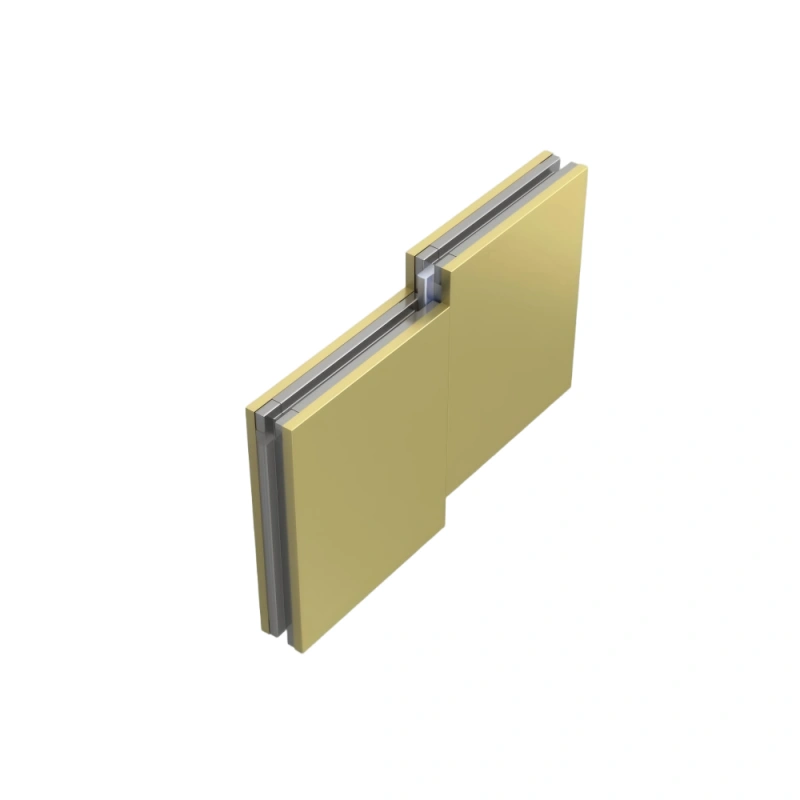
تتصل ألواح السقف المركبة ببعضها البعض عند مفاصلها الطولية (الجانبية) باستخدام أحد أنظمة الملامح المختلفة. وأكثر هذه الأنظمة شيوعًا في ألواح السقف العازلة هي:
تُعَدُّ التداخلات العرضية (النهاية) بين الألواح — حيث ينتهي لوحٌ ويبدأ اللوح التالي على طول المنحدر — نقطة شائعة لدخول المياه. ويجب تطبيق مادة الختم الخاصة بالتداخل النهائي بشكل صحيح على اللوح السفلي قبل تركيب اللوح العلوي فوقه. كما يجب تصميم وتركيب قطع التغطية المعدنية عند القمة، وحافة السقف، والجدران المتلاصقة، والمواقع التي تمرّ فيها عناصر اختراقية بنفس درجة العناية المبذولة في تركيب الألواح نفسها. وفي المناخات الاستوائية ذات الأمطار الغزيرة الشديدة (عاصفات قصيرة المدة بشدة عالية جدًّا)، قد تُ overwhelmed تفاصيل قطع التغطية المعدنية التي تؤدي أداءً كافيًا في المناخات المعتدلة إذا لم تكن مُصمَّمة بمقاسات تتناسب مع شدة هطول الأمطار المحلية.
للمستودعات التي تُخزن فيها البضائع في درجة حرارة الغرفة (بدون تبريد نشط، وتهوية طبيعية) في المناخ الحار الجاف للشرق الأوسط: يُعد العزل المكوَّن من مادة البولي إيزوسيانورات (PIR) بسماكة ١٠٠ مم مع طبقة سطحية بيضاء من مادة بوليفينيلدين فلوريد (PVDF) أدنى مواصفة معقولة. ويوفِّر هذا العزل قيمة معامل انتقال الحرارة (U-value) تبلغ حوالي ٠٫٢٣ واط/م²·ك، ومع دمجها مع مؤشر الانعكاس الشمسي العالي (SRI) للسطح الأبيض، فإنها تحافظ على أقصى درجات الحرارة داخل المستودع أقل بنحو ١٥–٢٠°م مقارنةً بما تصل إليه درجات الحرارة داخل مبنى ذي سقف داكن رقيق تحت ظروف الإشعاع الشمسي القصوى. أما بالنسبة للمستودعات أو مراكز اللوجستيات المكيَّفة، فإن العزل المكوَّن من مادة البولي إيزوسيانورات (PIR) بسماكة ١٠٠ مم مع طبقة سطحية بيضاء من مادة بوليفينيلدين فلوريد (PVDF) لا يزال يُعتبر أساسًا معقولًا؛ ويحدِّد بعض المصمِّمين سماكة ١٢٠ مم لتحقيق مزيد من خفض التكاليف التشغيلية المتعلقة بالطاقة على مدى عمر المنشأة. ولا ينبغي استخدام ألواح البوليستيرين الموسع (EPS) في المناخات الحارة الجافة بسبب محدودية نطاق درجات الحرارة التشغيلية لهذه المادة.
في المناخات المعتدلة، تُوفِّر ألواح البولي يوريثان المُعزَّلة (PIR) بسماكة ٥٠ مم قيمة معامل انتقال الحرارة (U-value) تبلغ حوالي ٠٫٤٣ واط/م²·ك، وهي كافية لأنواع محددة من المباني، رغم أنها أقل من الحد الأقصى المطلوب في معظم لوائح كفاءة الطاقة للمباني الأوروبية الحالية، والتي تتطلب عادةً أن تكون قيمة معامل انتقال الحرارة ≤ ٠٫٢٠–٠٫٢٥ واط/م²·ك للعناصر السقفية. أما في المناخات الحارة، فإن سماكة ٥٠ مم من مادة البولي يوريثان المُعزَّلة (PIR) تكون عمومًا غير كافية لأي تطبيق يتطلب التحكم في درجة الحرارة. وبالنسبة إلى المباني الصناعية العامة في المناخات الحارة التي لا تعتمد على أنظمة تبريد نشطة، فإن استخدام سماكة ٥٠ مم يوفِّر بعض الفائدة مقارنةً بعدم استخدام أي عزل حراري على الإطلاق، لكن درجة الحرارة داخل المبنى ستظل تصل إلى مستويات غير مريحة خلال فترات الذروة الصيفية. أما بالنسبة إلى الغرف الباردة أو تخزين الأدوية أو أي تطبيق آخر يتطلب التحكم في درجة الحرارة في المناخات الحارة، فإن سماكة ٥٠ مم تكون غير كافية تمامًا.
يمكن لمعظم شركات تصنيع ألواح الساندويتش الراسخة إنتاج ألواح سقف من مادة البولي يوريزول (PIR) أو البولي يوريثان (PU) بسماكة تصل إلى ٢٠٠–٢٥٠ مم على خطوط التصنيع المستمر. وعند تجاوز السماكة المذكورة، وبشكل تقريبي عند ٢٠٠ مم، تزداد التحديات العملية المتعلقة بإنتاج لوحة مسطّحة ومتجانسة ذات حشوة رغوية متسقة، ولذلك تضع بعض الشركات حدًّا عُلويًّا لسماكة الألواح عند ١٨٠–٢٠٠ مم لضمان جودة الإنتاج المتسقة. أما في التطبيقات التي تتطلب عزلًا فعّالًا يتجاوز ٢٠٠ مم — مثل التبريد الشديد في التخزين البارد في المناخات الحارة، على سبيل المثال — فقد يكون استخدام نظام ذي طبقتين (تثبيت لوحة فوق الأخرى) أو اعتماد نهج بنائي مختلف أكثر عمليةً من استخدام لوحة واحدة سميكة جدًّا.
بالنسبة للألواح السقفية في المناخات الحارة: نعم، وبشكل ملحوظ. وتُظهر الدراسات التي أُجريت على الأسطح التجارية والصناعية في المناطق ذات الإشعاع الشمسي العالي باستمرار أن الأسطح الباردة (مؤشر الانعكاس الحراري SRI ≥ 78) تقلّل من استهلاك طاقة التبريد السنوي بنسبة ١٠–٢٥٪ مقارنةً بالأسقف الداكنة التقليدية، مع خفضٍ يصل إلى ١٥–٢٠٪ في أقصى حمل تبريد. ومن حيث الطاقة المطلقة، فإن استبدال سطح داكن بسطح أبيض مصنوع من مادة PVDF في مستودع كبير مساحته ٥٠٠٠ متر مربع في مناخ حار يمكن أن يقلّل من استهلاك طاقة التبريد السنوي بمقدار عشرات الآلاف من الكيلوواط ساعة — ما يمثل وفورات سنوية جوهرية عند أسعار الكهرباء المحلية. وعادةً ما تُسترد التكلفة الإضافية للطلاء الأبيض من مادة PVDF مقارنةً بالطلاء الداكن القياسي المطبَّق على اللوح خلال فترة ١–٣ سنوات عبر وفورات الطاقة.
نعم — حيثما تشترط قواعد مكافحة الحرائق استخدام ألواح سقف غير قابلة للاشتعال من الفئة A1، تُعتبر صوف الصخور الخيار القياسي. وفي المناخات الحارة، يؤدي الأداء الحراري الأدنى لصوف الصخور (معامل التوصيل الحراري ≈ 0.036–0.040 مقارنةً بـ 0.022–0.024 للبولي إيزوسيانورات «PIR») إلى الحاجة إما إلى زيادة السماكة أو القبول بمواصفات حرارية أقل. فلوحة سقف من صوف الصخور بسماكة 150 مم تحقِّق قيمة U تقريبية مماثلة لتلك التي تحققها لوحة سقف من البولي إيزوسيانورات «PIR» بسماكة 90 مم. وعند دمجها مع سطح أبيض من مادة بوليفينيليدن فلوريد «PVDF»، يمكن أن تؤدي لوحة السقف من صوف الصخور بسماكة 150 مم أداءً كافياً في معظم التطبيقات الصناعية والتجارية في المناخات الحارة، رغم أنها ستظل دائماً دون الأداء الذي تحققه لوحة سقف من البولي إيزوسيانورات «PIR» بسماكة 150 مم. ألواح سقف من الصوف الصخري كما أن هذه الألواح أثقل من الألواح الرغوية، ما يزيد الحمل الإنشائي المُلقى على هيكل السقف وقد يستلزم استخدام عوارض سقف «Purlins» أعمق أو أقرب في المسافة بينها.
مع المواصفات الصحيحة والصيانة المناسبة، تتمتع ألواح الأسقف المركبة بعمر افتراضي يتراوح بين 25 و35 عامًا. تُعدّ الصفائح الفولاذية الخارجية العنصر الأكثر عرضةً لعوامل التجوية: تحافظ الأغطية المطلية بمادة PVDF على أدائها لأكثر من 20 عامًا؛ بينما قد تظهر على الأغطية المطلية بمادة PE في البيئات ذات الأشعة فوق البنفسجية العالية علامات تدهور واضحة خلال 8 إلى 12 عامًا. أما اللب الرغوي (PU أو PIR) فيخضع تدريجيًا لبعض التقادم الحراري على مدى عقود، مع زيادة طفيفة في قيمة لامدا؛ ويكون هذا التقادم ضئيلاً في منتجات PIR عالية الجودة. من أكثر الأسباب شيوعًا لاستبدال ألواح الأسقف مبكرًا: التلف المادي (البرد، الصدمات الميكانيكية، حركة الصيانة بدون ألواح مشي مناسبة)، وفشل منع التسرب عند الوصلات مما يؤدي إلى تسرب المياه، وتغير اللون/المظهر نتيجة لتدهور الطلاء على الألواح المطلية بمادة PE في البيئات ذات الأشعة فوق البنفسجية العالية. يُسهم تحديد طلاء PVDF منذ البداية في تجنب آخر هذه الأسباب.
ليس بالضرورة. ألواح السقف والجدران تختلف متطلباتها الإنشائية والحرارية والمائية. وتُعَدُّ ألواح السقف عناصر هيكلية للسقف مصممة لتحمل أحمال السقف وضمان إحكامه ضد العوامل الجوية؛ أما ألواح الجدران فتحمل الضغط الرياحي أفقيًّا وتؤدي دور الواجهة الخارجية لمبنى. وعلى الرغم من أن بعض شركات تصنيع الألواح تقدِّم منتجات مناسبة لكلا التطبيقين، فقد تختلف المواصفات المثلى لكلٍّ منهما: فعادةً ما يحتاج السقف إلى عزلٍ أكثر سماكة، وطلاء سطحيٍّ أعلى أداءً، ونظام وصلات أكثر إحكامًا ضد العوامل الجوية مقارنةً بالجدران. وفي المباني الواقعة في المناخات الحارة، حيث يكتسب الأداء الطاقي أهميةً بالغة، فإن السقف غالبًا ما يستحق استخدام لوحة أكثر سماكة وأفضل طلاءً مقارنةً بالجدران، لأن الإشعاع الشمسي يسقط على السقف بزاوية سقوط أعلى بكثير، ولمدة أطول يوميًّا، مقارنةً بأي وجه من وجوه الجدران.
يمكن لفريقنا الفني مساعدتكم في تحديد سماكة اللوح المناسبة، ونوع مادة القلب، والطلاء السطحي، واللون الأمثل لمناخكم المحدد وتطبيقكم ومتطلباتكم التنظيمية. ونقوم بتصنيع ألواح أسطح عازلة مصنوعة من البولي إيزوسيانورات (PIR) والبولي يوريثان (PU) والصوف الصخري للمشاريع الدولية في منطقة الشرق الأوسط وجنوب شرق آسيا وما بعدها.
اطلب مواصفات لوحة السقف →ملاحظة: البيانات والمعلومات الواردة في هذه المقالة هي لأغراض الإشارة فقط؛ يُرجى الاتصال بمهرسينا للحصول على المساعدة عند الحاجة.
 أخبار ساخنة
2026-09-09
2026-08-14
2026-08-11
2026-08-06
2026-07-30
2026-07-20

نحن نؤمن بأنه من خلال التمسك بالجودة وتبني الابتكار، يمكننا إحداث تغييرات تحويلية في الهندسة المعمارية وبناء مستقبل مستدام لصناعة البناء.
رقم 377، طريق غاوتشي، المنطقة التكنولوجية العالية، مدينة بينتشو، مقاطعة شاندونغ، الصين
حقوق الطبع والنشر © شركة شاندونغ أبكس للمعادن المحدودة. جميع الحقوق محفوظة (ضمن مجموعة غلوستار للمواد الجديدة) سياسة الخصوصية المدونة
 EN
EN