Amikor tisztasági szobákat építenek tengerparti területeken, élelmiszer-feldolgozó üzemekben vagy gyógyszeripari létesítményekben, a mérnökök folyamatosan szembesülnek egy problémával: a túlzott páratartalommal. Bár a hagyományos magnézium-oxid (MgO) tisztasági szobapanelek kiváló tűzállósággal rendelkeznek, teljesítményük gyakran gyenge páratartalmas környezetekben. A GloStar cég újítást hozott a tisztasági szobák anyagai terén. Ebben a cikkben elemezzük a hagyományos panelek meghibásodásának mechanizmusait, és bemutatjuk technikai áttörésünket a nedvességálló üreges magnézium-oxid tisztasági szobapanelok terén.
1. A hagyományos magnézium-oxid lapok kihívásai magas páratartalmú környezetekben
A szokásos magnézium-oxid lapok használata olyan környezetekben, ahol a relatív páratartalom magas (RH > 80 %), gyakran súlyos szerkezeti meghibásodáshoz vezet. A leggyakoribb problémák a következők:
1. Gyakori problémajelenségek
Ízületi repedések: A páratartalom-ingadozások miatti különböző hőtágulási együtthatók 3–5 mm-es repedéseket okoznak az ízületeknél (a terepi mérési adatok alapján)
Felületi duzzadás: A magnézium-oxid-klorid cementben a nedvességfelvétel miatti kristályos duzzadás 10–30 mm átmérőjű kiemelkedéseket eredményez
Szilárdságcsökkenés: A hajlítási szilárdság hosszú távon nedves környezetben több mint 40%-kal csökken (a GB/T 5480 szabvány szerinti vizsgálati eredmények alapján)
2. Hibamechanizmusok
Kapilláris vízfelvétel: A hagyományos sűrű szerkezetek pórustartalma meghaladja a 15%-ot, így a víz könnyen behatolhat a kristályrácsba.
Magnézium-hidrolízis: Az MgO + 2H₂O → Mg(OH)₂ kémiai reakció súlyos térfogatnövekedést okoz, amelynek mértéke akár 120%-ra is emelkedhet.
Kloridion-kimosódás: Ez a folyamat gyorsítja a fémvázas szerkezetek korrózióját. (Egy PCB-gyárban végzett esettanulmány szerint a korrózió sebessége elérte a 0,3 mm/év értéket).
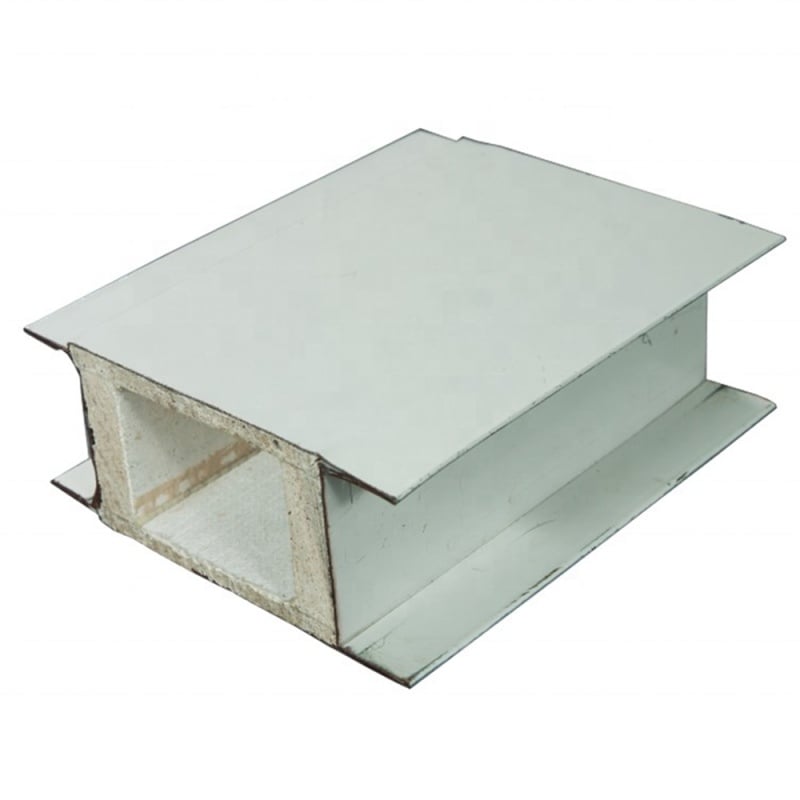
1. Méhsejt-üreges szerkezeti kialakítás
Háromdimenziós vázkeretrendszer: Hexagonális méhsejt-szerkezet alkalmazása, amelynek pórustartalma szigorúan 5–8% között van szabályozva
Párazáró csatornák: Minden egyes méhsejt cella függetlenül lezárva van. Laboratóriumi tesztek eredményei szerint a vízfelvétel aránya ≤0,5% (megfelel a GB/T5480-2017 szabványnak)
Feszültségelosztási mechanizmus: Terhelés hatására a deformáció 62%-kal csökken a hagyományos tömör panelekhez képest, így a panel felülete hosszú távon sík marad
2. Magnéziummal megerősített módosítási technológia
Kompozit cementes rendszer: 10–15% szilícium-dioxid-por adagolása a kapilláris pórusok kitöltésére, valamint egy polimer vízriasztó szer (WRA-8) bevezetése a anyag felületi energiájának csökkentésére
A polimer vízriasztó szer (WRA-8 típus) bevezetése csökkenti a felületi energiát
Hidrolízisálló kezelés: magnézium-oxid részecskéink foszfátbevonat-kezelésen mennek keresztül (a SEM-elemzés 95%-nál nagyobb bevonási arányt mutat); 28 napos szárazítás után magas páratartalmú környezetben a szilárdságmegmaradási arány továbbra is 91,3%-os (míg az irányadó csoportnál csupán 67,5%).
1. Előnyös alkalmazási területek
Tisztasági szobák tengerparti régiókban (pl. félvezető lapkagyártó üzemek Sando-kerületben)
Nedves területek élelmiszer-feldolgozó létesítményekben (pl. szószfermentáló műhelyek és egyéb, 80%-nál magasabb relatív páratartalmú környezetek)
Orvosi sterilizációs területek (olyan létesítmények, amelyek gyakori, magas hőmérsékletű gőzös fertőtlenítést igényelnek)
2. Felszerelési óvintézkedések
Alapfelület előkészítése:
Használjon 304-es rozsdamentes acél fűrészpántokat (az elektrokémiai korrózió megelőzése érdekében)
A csatlakozásoknál előre szerelje be az elasztikus tömítőszalagokat (szélesség ≥ 8 mm)
Panelvágás:
A széleken keletkező durvaságot minimalizáló wolfram-karbid pengék használata
A vágott élek azonnali, speciális élszegélyező anyaggal történő kezelése. Csatlakozáskezelés:
Először poliuretán habot fecskendezünk be a üregek kitöltésére
A felület lezárása szilikon időjárásálló tömítőanyaggal (mozgásképesség ≥ 25%)
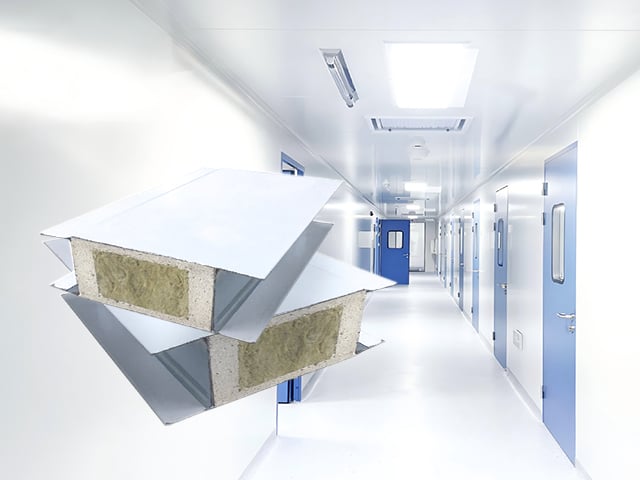
A GloStar folyamatosan innovál. Íme, amiken jelenleg dolgozunk:
Okos, páratartalom-érzékeny bevonatok: Olyan bevonatokat tesztelünk, amelyek automatikusan megjelenítenek figyelmeztető foltokat, ha a relatív páratartalom meghaladja a 75%-ot; IoT-érzékelőket integrálunk a nedvességszint valós idejű monitorozására.
Megújuló magnézium-alapú anyagok: A világ vezető kutatóintézeteivel együttműködve olyan technikákat fejlesztünk, amelyekkel ipari hulladékból nyerhető ki magnézium (85%-os kihasználási arány), így a termék szénlábnyoma 40%-kal csökken.
Szüksége van nedvességálló tisztasági folyosó panelokra következő, nagytechnológiás létesítménye számára?
A GloStar-nál a világ legjobb panelmegoldásait kínáljuk.
👉 Lépjen kapcsolatba mérnöki csapatunkkal még ma ingyenes konzultáció és minta érdekében!
 Aktuális hírek
2026-09-09
2026-08-14
2026-08-11
2026-08-06
2026-07-30
2026-07-20

Úgy véljük, hogy a minőség fenntartása és az innováció elfogadása révén átalakító változásokat indíthatunk el az építészetben, és fenntartható jövőt építhetünk az építőipar számára.
Kína, Sando-kerület, Binzhou város, High-tech Zóna, Gaoqi út 377. szám
Szerzői jog © Shandong Apex Metal Products Co., Ltd. Minden jog fenntartva (a Glostar New Materials Group tulajdonában) Adatvédelmi irányelvek Blog
 EN
EN